
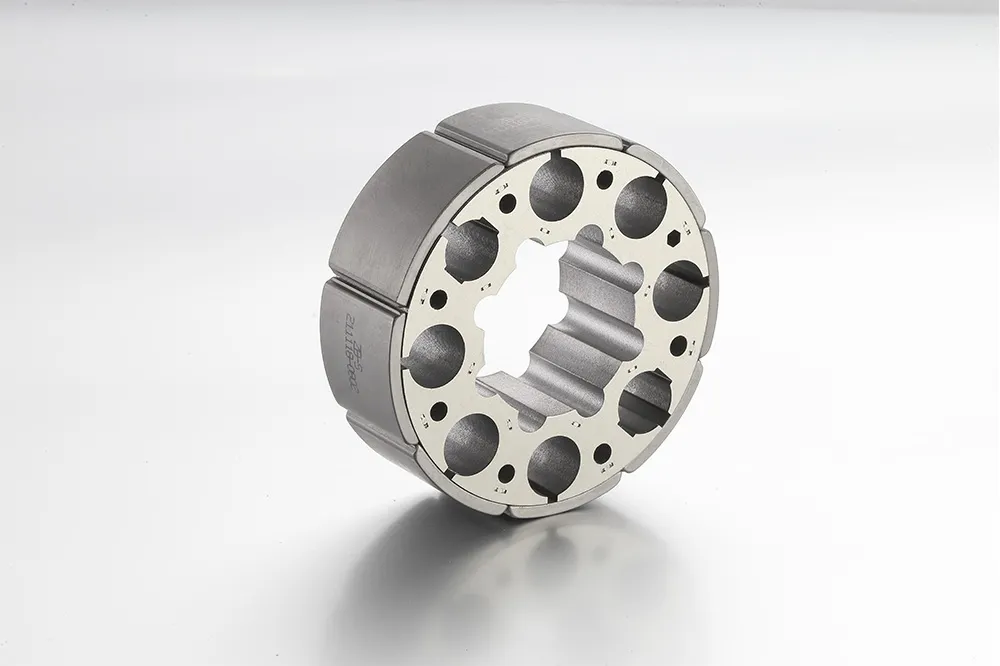
Motor magnets are a core component in modern electric motors, directly influencing efficiency, torque output, power density, and long-term reliability. As electrification expands across automotive, industrial automation, renewable energy, and consumer electronics, demand for high-performance motor magnet solutions continues to accelerate. Among the most widely used motor magnet forms are arc segment magnets and rotor magnets, each engineered to meet specific design and performance requirements.
Understanding their structure, function, and application context is critical for engineers and procurement teams optimizing motor systems.
Table of Contents
- Role of Magnets in Electric Motors
- Arc Segment Magnets: Design and Function
- Rotor Magnets: Core of Motor Performance
- Materials Used in Motor and Rotor Magnets
- Engineering Considerations for Motor Magnet Selection
- Applications Across Key Industries
- Future Trends in Motor Magnet Technology
- HSMAGNET Capabilities in Motor Magnet Manufacturing
Role of Magnets in Electric Motors
Permanent magnets in electric motors generate a stable magnetic field that interacts with current-carrying windings to produce rotational force. Compared with traditional induction motors, permanent magnet motors offer:
- Higher efficiency
- Greater torque density
- Reduced energy losses
- Improved controllability
Motor magnets are commonly manufactured from neodymium (NdFeB), samarium cobalt (SmCo), or ferrite materials, selected based on operating temperature, performance targets, and cost considerations.
Arc Segment Magnets: Design and Function
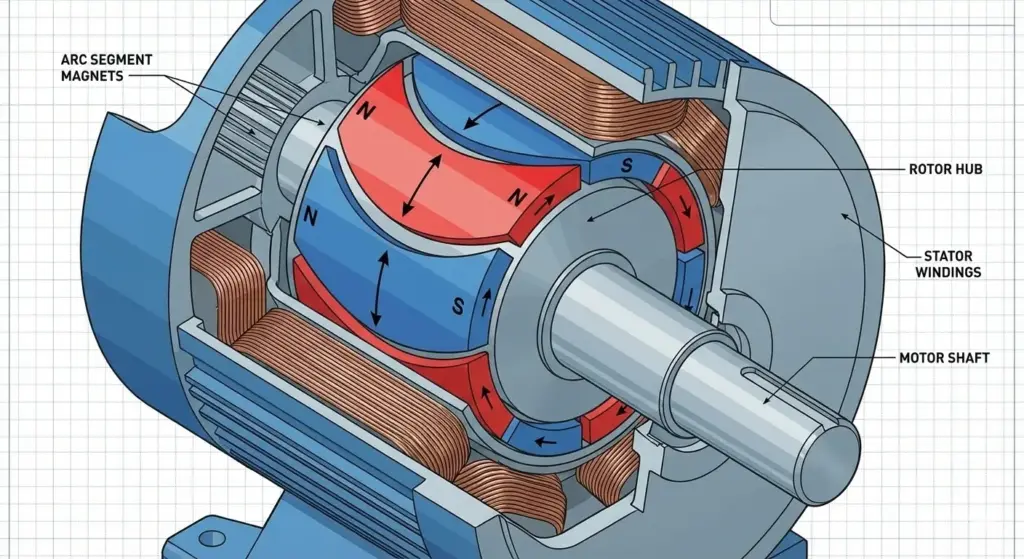
Arc segment magnets are curved magnets designed to match the geometry of a motor rotor or stator. Their arc shape allows them to conform precisely to circular assemblies, maximizing magnetic coupling and minimizing air gaps.
Key Characteristics
Arc segment magnets provide uniform magnetic flux distribution across the air gap, which improves torque smoothness and reduces vibration. They are typically radially or parallel magnetized, depending on motor design.
Advantages
- Optimized magnetic field utilization
- Improved efficiency and torque consistency
- Reduced cogging torque
- Compact motor design
Arc segment magnets are widely used in brushless DC motors, servo motors, and traction motors where performance stability is a priority.
Rotor Magnets: Core of Motor Performance
Rotor magnets are magnets mounted directly on or embedded within the motor rotor. Their configuration plays a decisive role in determining motor efficiency, speed capability, and thermal performance.
Common Rotor Magnet Configurations
- Surface-mounted magnets for high efficiency and simple assembly
- Interior permanent magnets for higher speed and mechanical robustness
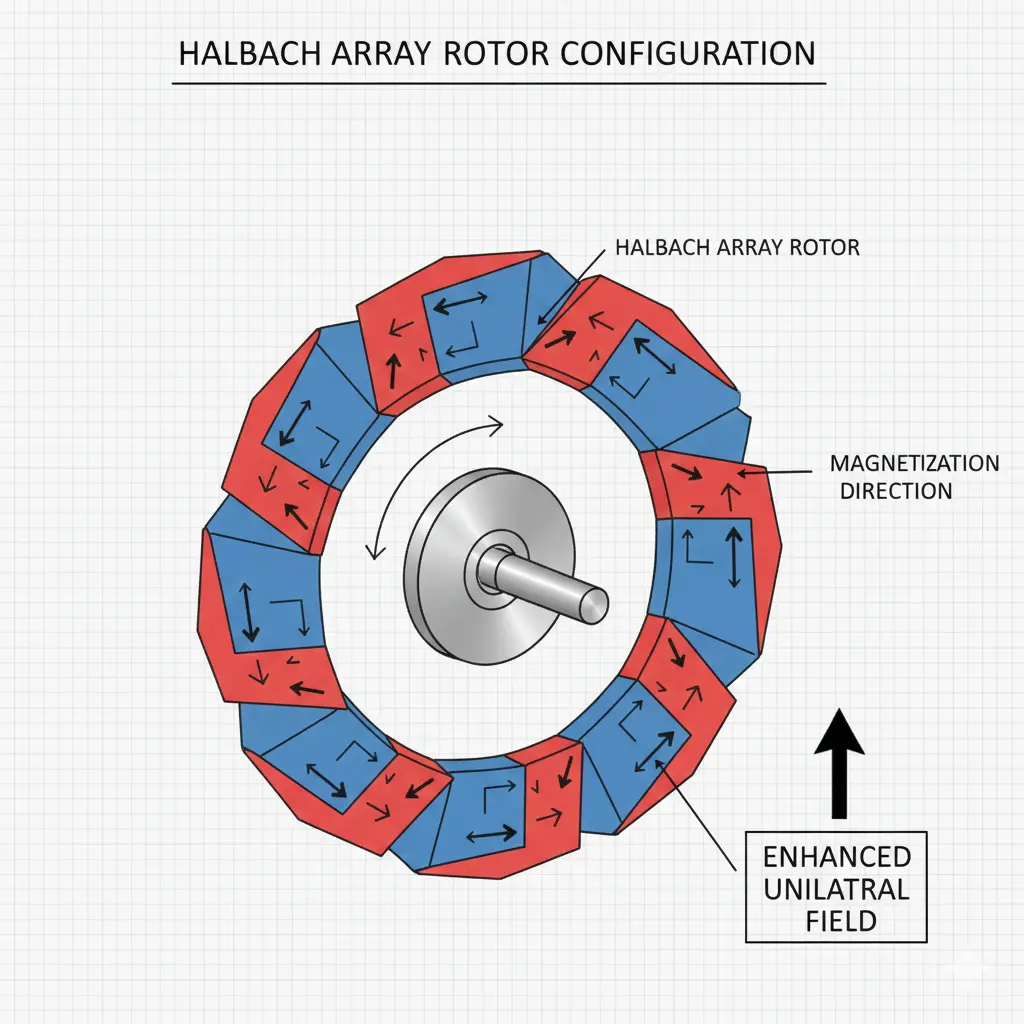
- Halbach array rotors for enhanced magnetic field concentration
Rotor magnets must withstand high centrifugal forces, thermal cycling, and strong demagnetizing fields, making material selection and bonding technology critical.
Materials Used in Motor and Rotor Magnets
Different motor applications demand different magnet materials:
- Neodymium (NdFeB): High magnetic strength and compact size, ideal for EV and high-power motors
- Samarium Cobalt (SmCo): Excellent temperature resistance and corrosion stability
- Ferrite: Cost-effective option for lower-performance or high-volume motors
Advanced grades with high coercivity are often selected to maintain performance in elevated temperature environments.
Engineering Considerations for Motor Magnet Selection
When specifying motor magnets, engineering teams should evaluate:
- Required torque and speed range
- Operating temperature and cooling method
- Mechanical stress and rotor speed
- Demagnetization risk
- Manufacturing tolerances and assembly methods
Optimizing these parameters ensures consistent performance and long service life.
Applications Across Key Industries
Motor magnets, arc segment magnets, and rotor magnets are widely used in:
- Electric vehicles and hybrid drivetrains
- Industrial automation and robotics
- HVAC and compressor systems
- Wind power generators
- Power tools and home appliances
Their performance directly impacts energy efficiency and operational reliability.
Future Trends in Motor Magnet Technology
As electrification and energy efficiency regulations intensify, motor magnet design is moving toward higher power density, reduced rare-earth usage, and improved thermal resilience. Advanced rotor structures and optimized arc segment designs will continue to play a strategic role in next-generation motor systems.
HSMAGNET Capabilities in Motor Magnet Manufacturing
HSMAGNET specializes in manufacturing high-precision motor magnets, including arc segment magnets and custom rotor magnet assemblies. With advanced magnetization techniques, tight dimensional control, and rigorous quality inspection, HSMAGNET supports customers across automotive, industrial, and energy sectors.
By delivering application-specific magnet solutions, HSMAGNET helps partners achieve higher efficiency, reduced system losses, and competitive product performance.
Leave a Reply