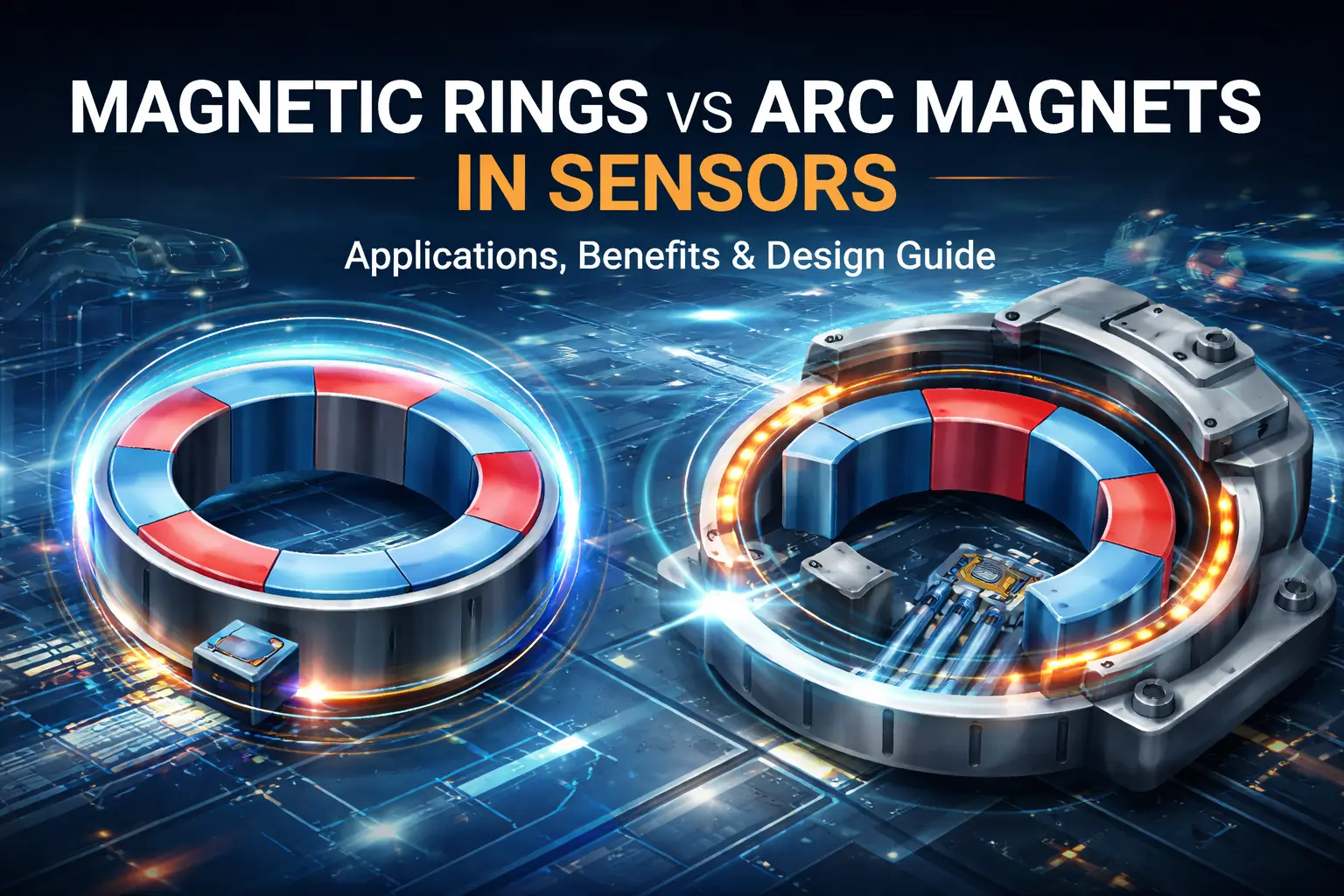
As sensor technologies evolve toward higher precision, miniaturization, and energy efficiency, magnetic components are becoming increasingly strategic in system design. Among them, magnetic rings and magnetic tiles (arc magnets) play a critical role in enabling advanced sensing capabilities across automotive, industrial, and consumer electronics sectors.
This article provides a structured analysis of how these two magnet geometries are applied in next-generation sensors, highlighting their functional advantages, limitations, and emerging trends.
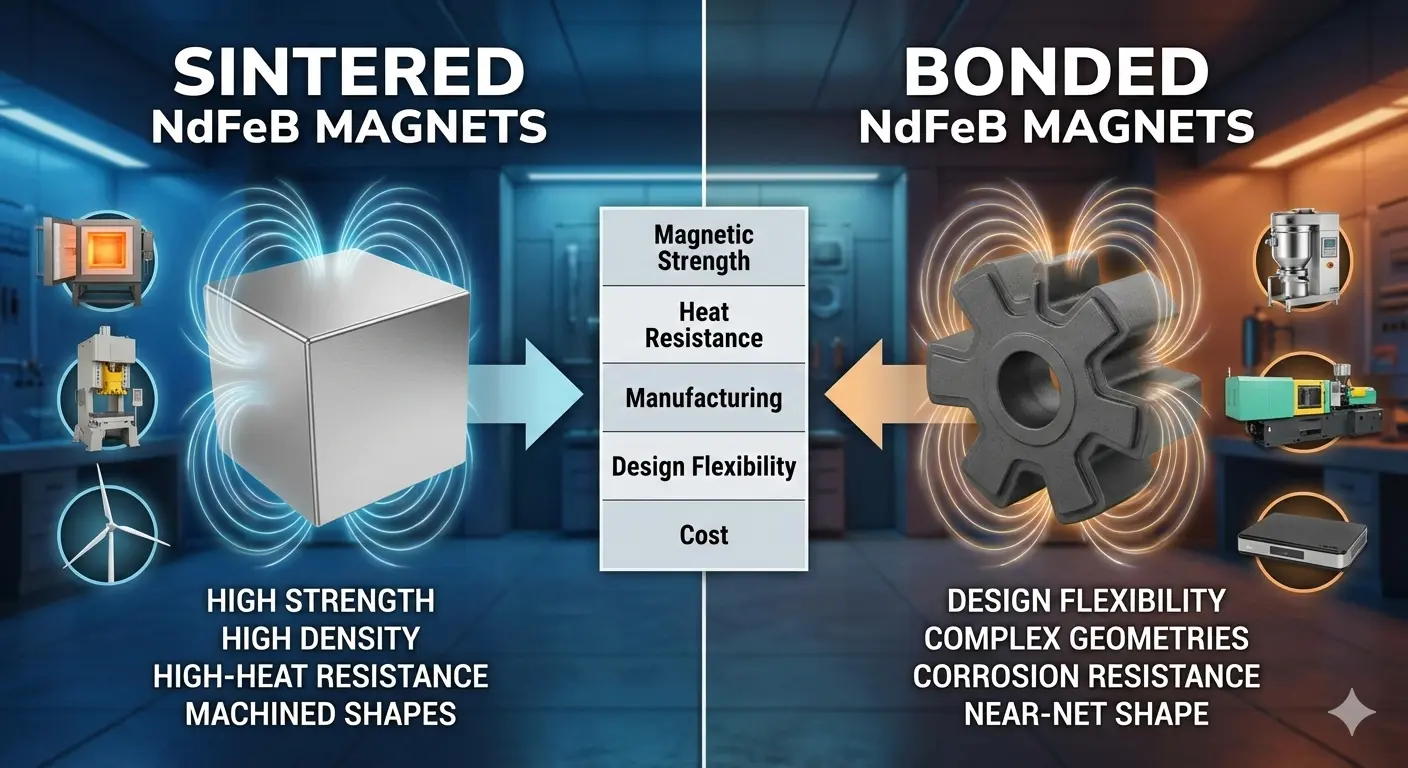
Since their introduction in the 1980s, Neodymium-Iron-Boron (NdFeB) magnets have become the strongest type of permanent magnets available, often called the “King of Magnets.” Depending on the production process, NdFeB magnets can be classified into two major categories: 👉 Sintered NdFeB and Bonded NdFeB.
Although both share the same main magnetic phase (Nd₂Fe₁₄B), they differ significantly in manufacturing process, microstructure, magnetic performance, and application fields. This article provides a detailed comparison to help engineers and designers choose the right material for their needs.
Rare earth magnets are a strategic class of permanent magnets known for their exceptionally high magnetic strength relative to size. In an industrial context, they are not niche materials—they are core enablers across manufacturing, energy, electronics, and advanced engineering sectors. As global industries pursue higher efficiency, miniaturization, and electrification, rare earth magnets have become mission-critical components in modern supply chains.
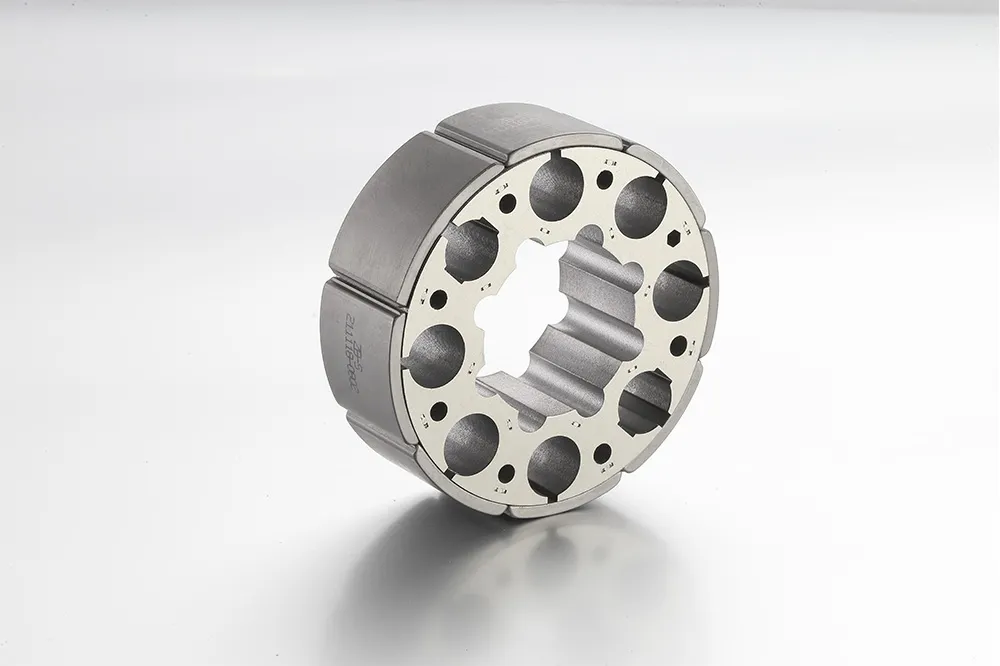
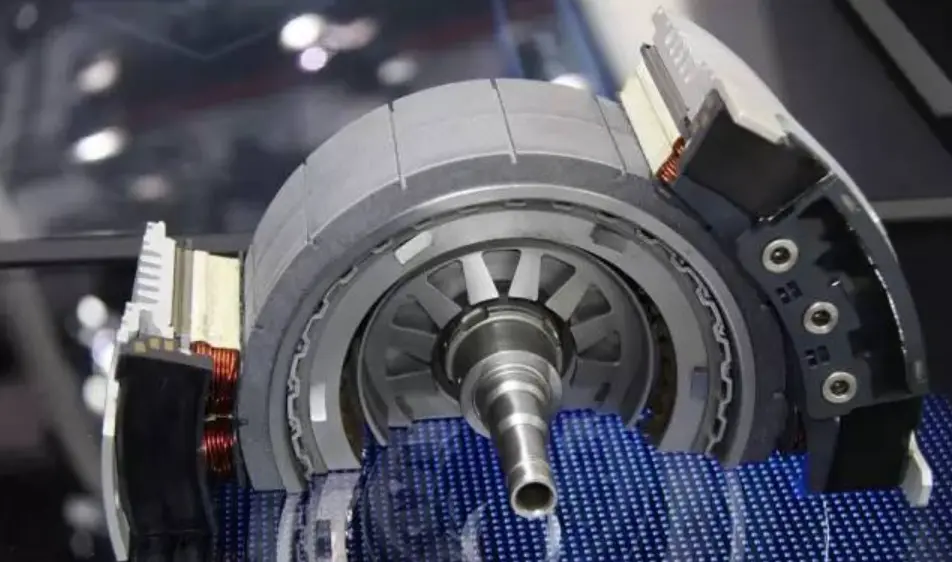
Motor magnets are a core component in modern electric motors, directly influencing efficiency, torque output, power density, and long-term reliability. As electrification expands across automotive, industrial automation, renewable energy, and consumer electronics, demand for high-performance motor magnet solutions continues to accelerate. Among the most widely used motor magnet forms are arc segment magnets and rotor magnets, each engineered to meet specific design and performance requirements.
Understanding their structure, function, and application context is critical for engineers and procurement teams optimizing motor systems.
A horseshoe magnet is a permanent magnet bent into a U-shaped configuration, strategically engineered to bring its two poles—north and south—closer together. This geometry creates a concentrated magnetic field between the poles, enabling higher magnetic strength and greater holding force. In modern industrial and scientific applications, this compact yet powerful design supports precision tasks where controlled magnetic fields are essential.
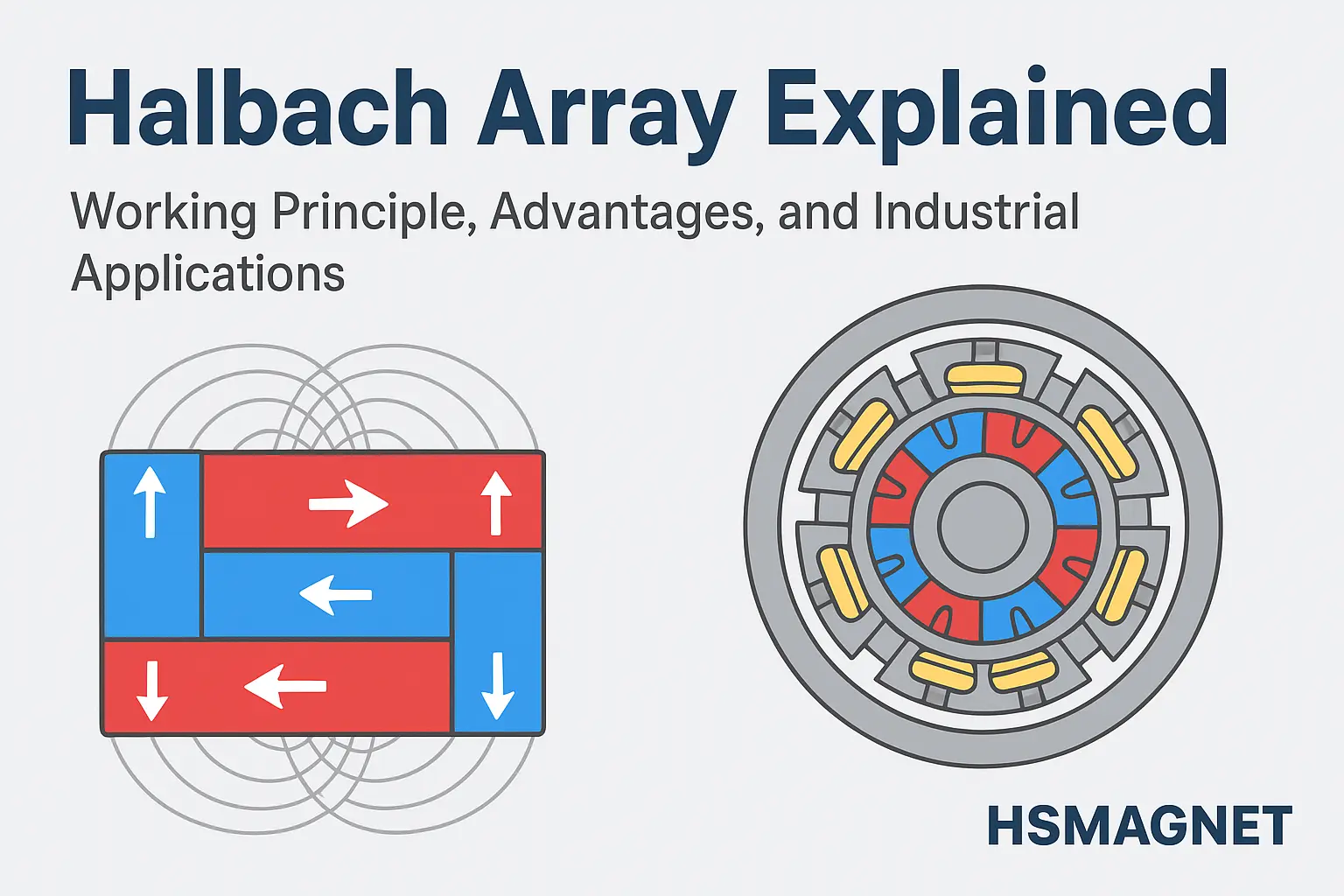
A Halbach array is a specialized magnetic arrangement that amplifies magnetic field strength on one side while nearly canceling the field on the opposite side. This asymmetric field distribution provides high magnetic efficiency, reduced weight, and exceptional performance in advanced engineering applications. Industries leveraging high-precision magnetics — such as electric motors, linear actuators, maglev systems, and scientific instruments — rely on Halbach arrays to achieve superior magnetic output with optimized material usage.
The array works by carefully orienting individual permanent magnets in a specific rotational pattern. This geometry naturally redirects magnetic flux, eliminating the need for bulky iron components and improving system-level performance metrics such as force density, torque, and energy conversion efficiency.
Magnets play a central role in shaping the tonal character and amplification capabilities of both acoustic-electric and electric guitars. From a technical perspective, magnetic components translate string vibration into electrical signals that can be shaped, amplified, and projected. Understanding how magnets operate within guitar systems offers clarity for musicians, manufacturers, and technology developers who want to optimize sound, performance, and product design.
Magnetic Pickups: The Core Mechanism
At the heart of most guitars that rely on amplification is the magnetic pickup. This component is engineered to transform mechanical vibrations into electrical output through electromagnetic induction. When a metal string vibrates within a magnetic field, it disturbs the field and induces a corresponding voltage in the pickup coil.
Key Components
Permanent magnets: Typically Alnico or ceramic, providing stable magnetic fields.
Copper wire coils: Thousands of windings that capture induced electrical signals.
Pole pieces: Metal elements that shape the magnetic field for each string.
This combination enables accurate translation of string movement into an electrical waveform that reflects the nuances of playing style, dynamics, and articulation.
How Electric Guitar Pickups Use Magnets
In electric guitars, the pickup is the primary interface between the instrument and its amplified output. The magnets within the pickup magnetize the steel strings above them. As the strings vibrate, they modulate the magnetic flux, creating a signal that replicates the frequency and intensity of the vibration.
Operational Characteristics
Single-coil pickups deliver articulate, bright tones but can introduce electromagnetic noise.
Humbuckers use opposing magnetic orientations to eliminate noise and produce warmer, fuller tones.
Pickup strength (magnet grade and proximity to strings) influences output level and responsiveness.
The magnetic system is designed to balance clarity, dynamic range, and signal purity.
Magnet Use in Acoustic-Electric Guitars
Acoustic-electric guitars employ a hybrid strategy. While many rely on piezo pickups, a growing segment uses soundhole magnetic pickups to capture a more natural, warm tone. These operate similarly to electric guitar pickups but are optimized for the acoustic body’s resonance characteristics.
Functional Insights
They detect vibration from steel strings only—nylon strings do not interact with magnetic fields.
They deliver strong feedback resistance, ideal for stage performance.
They preserve the acoustic character while adding clarity and projection.
For manufacturers and players focused on amplified acoustic performance, magnetic pickups provide a reliable, low-noise solution with consistent tonal output.
Influence of Magnet Type on Tonal Behavior
Different magnet materials shape sound characteristics in distinct ways, enabling strategic tone engineering.
Common Magnet Types
Alnico II: Smooth, vintage warmth with softer attack.
Alnico V: Stronger magnetic pull, tighter response, brighter presence.
Ceramic: High output, aggressive tonal profile, ideal for modern high-gain applications.
These material choices drive product differentiation and player preference across all levels of performance.
Magnetic Fields, String Pull, and Tone Optimization
Although magnets enable sound generation, they also exert force on the strings. Excessive magnetic pull—particularly from strong magnets placed too close—can reduce sustain and cause tonal anomalies.
Optimization Principles
Maintain proper pickup height to prevent over-pulling.
Balance magnet strength with tonal objectives.
Use multi-pickup configurations to achieve broader sonic flexibility.
Precision in magnet placement directly shapes the user experience and performance quality.
Strategic Implications for Guitar Manufacturers
For businesses developing guitars, pickups, or aftermarket components, magnetic design directly impacts product competitiveness. Industry-leading differentiation occurs through:
Enhanced coil engineering
Advanced magnet materials
Hybrid pickup systems
Noise-reduction technology
Integrated preamps for acoustic-electric platforms
The intersection of magnetic science and guitar craftsmanship continues to redefine tone innovation and market positioning.
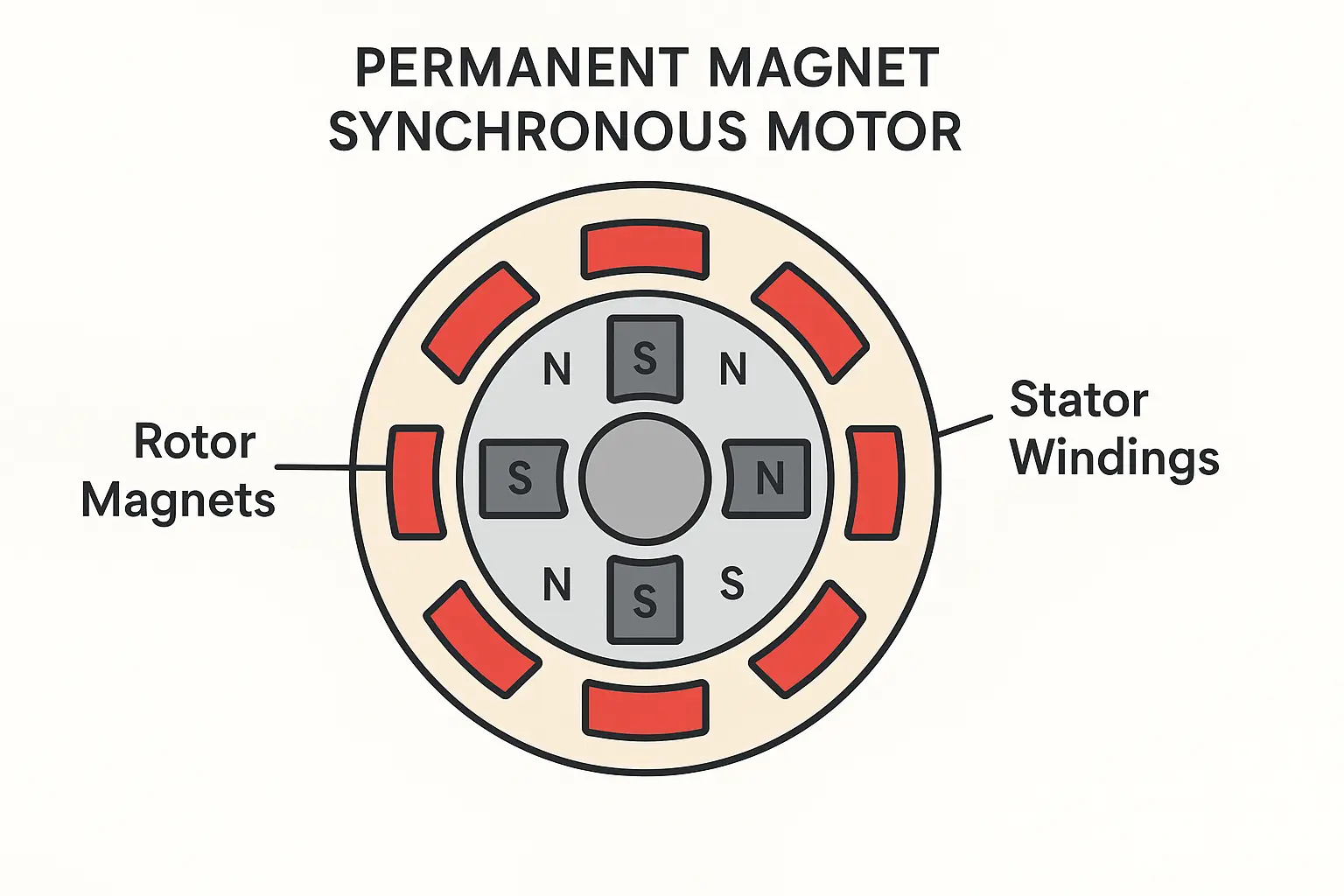
A Permanent Magnet Synchronous Motor (PMSM) is an advanced electric motor that uses permanent magnets embedded in or attached to the rotor to generate a consistent magnetic field. Unlike induction motors, PMSMs do not rely on induced rotor currents, enabling higher efficiency, lower heat generation, and more precise control. These advantages have positioned PMSMs as a preferred solution across industrial automation, robotics, automotive powertrains, HVAC systems, and high-performance motion-control applications.
As global industries accelerate their transition toward energy-efficient and digitally controlled power systems, PMSMs continue to gain market share due to their superior performance, compact design, and reliable operational characteristics.
How a PMSM Works
A PMSM operates by synchronizing the rotor’s magnetic field with the rotating magnetic field produced by the stator. The permanent magnets create a stable magnetic force, while alternating current in the stator windings generates the rotating field.
This synchronous relationship ensures:
Constant speed under steady load
High torque density
Minimal energy losses
Consistent, vibration-controlled operation
PMSMs typically utilize neodymium or samarium cobalt magnets because of their high magnetic strength, thermal stability, and resistance to demagnetization. The quality of these magnets directly influences motor efficiency, power density, and performance in demanding environments.
Key Advantages of Permanent Magnet Synchronous Motors
The engineering benefits of PMSMs make them a strategic choice for modern, high-efficiency systems.
High Efficiency and Lower Energy Consumption
Permanent magnets eliminate the need for rotor excitation currents, reducing power losses and improving overall efficiency—often exceeding 90%. This performance is essential for industries focused on sustainability, operational cost reduction, and long-term energy optimization.
High Torque Density and Power-to-Weight Ratio
By integrating high-strength permanent magnets, PMSMs deliver stronger magnetic flux within a compact footprint. This enables lighter motor designs with higher output power, supporting everything from electric vehicles to advanced robotics.
Excellent Dynamic Control
PMSMs provide precise speed and torque response, making them ideal for applications demanding accuracy, such as CNC machinery, industrial automation, semiconductor equipment, and high-end servo systems.
Reduced Maintenance Requirements
With fewer components subject to electrical or mechanical wear, PMSMs offer longer operating lifecycles and reduced maintenance costs—another major advantage in industrial and automotive environments.
PMSM Applications Across Modern Industries
PMSMs have become fundamental components in numerous sectors due to their reliability and energy-efficient performance.
Electric Vehicles
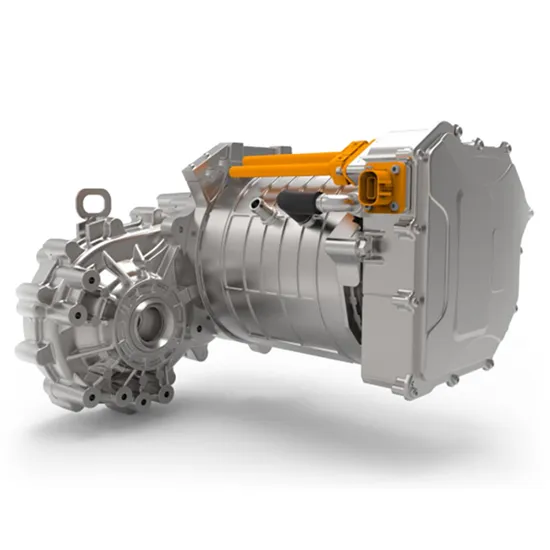
PMSMs power many modern EV drivetrains, offering high torque, smooth acceleration, and low energy consumption. Their compact size enhances design flexibility and vehicle range.
Industrial Automation and Robotics
In factories, PMSMs drive servo motors, conveyors, robotic joints, and precision machinery. Their rapid response and stable operation support high-accuracy production lines.
HVAC, Pumps, and Compressors
Energy-efficient PMSMs improve system performance and reduce power costs in HVAC blowers, industrial pumps, and air compressors.
Home Appliances and Consumer Electronics
From washing machines to high-end fans, PMSMs enable quieter, more efficient product designs that meet global energy standards.
The Strategic Importance of High-Quality Permanent Magnets
Since PMSMs rely heavily on magnetic performance, the choice of permanent magnet materials—especially neodymium and samarium cobalt—directly determines motor efficiency, torque output, and thermal stability. For manufacturers and engineers, sourcing high-grade magnets is mission-critical to ensuring long-term product reliability and competitive performance levels.
Magnets play a critical role in engineering, physics, and advanced aerospace systems. But when technology leaves Earth’s atmosphere, many users wonder: do magnets work in space?
The short answer is yes — magnets absolutely work in space. Their performance does not depend on gravity or air, and their magnetic fields remain fully functional in the vacuum of space. However, their behavior and applications can differ depending on environmental conditions such as temperature, radiation, and magnetic interference.
This article provides a forward-looking perspective on how magnets operate in space and why they remain indispensable in modern aerospace technology.
Understanding How Magnets Work in Any Environment
Magnets generate a magnetic field due to the alignment of magnetic domains inside the material. This phenomenon is internal and self-sustaining, meaning it does not require:
Air
Gravity
Atmosphere
Pressure
Because of this, a magnet’s field is stable and consistent in environments ranging from deep ocean floors to the vacuum of outer space.
Key Point:
A vacuum has no impact on a permanent magnet’s magnetic structure.
Do Magnetic Fields Change in Space?
While magnets themselves function normally, environmental factors can influence performance:
1. Temperature Extremes
Space swings between intense heat and severe cold.
High temperatures can reduce magnetic strength.
Extremely low temperatures can increase magnetic performance for some materials.
Rare-earth magnets such as samarium cobalt (SmCo) are preferred in aerospace for their robust thermal stability.
2. Cosmic Radiation
Radiation does not typically demagnetize a permanent magnet, but long-term exposure can degrade materials depending on alloy composition.
3. Presence of Planetary Magnetic Fields
In orbit or near magnetically active celestial bodies, nearby magnetic fields can interact with a magnet’s field strength and direction. This doesn’t “turn off” the magnet — it simply influences its environment.
How Magnets Are Used in Space Technology
Electronics, navigation, and mechanical systems in aerospace applications rely heavily on magnet-based technologies. Below are some core use cases.
1. Attitude Control Systems (ACS)
Satellites use magnetorquers, which generate controlled magnetic fields that interact with Earth’s magnetic field to adjust orientation. This is one of the most efficient and lightweight positioning technologies in orbital mechanics.
2. Electric Propulsion Systems
Advanced ion thrusters and magnetic confinement systems leverage magnetic fields to guide charged particles and optimize propulsion efficiency.
3. Magnetic Sensors
Critical systems use:
Magnetometers
Hall effect sensors
Geomagnetic detectors
These instruments support navigation, scientific measurement, and stabilization.
4. Motors and Actuators
Mechanisms requiring rotation or precision movement, such as:
Solar panel deployment systems
Robotic arms
Antenna positioning hardware
all use permanent magnets and electromagnetic assemblies.
5. Magnetic Shielding
Specialized shielding solutions protect sensitive spacecraft electronics from charged particles and cosmic rays.
Do Electromagnets Work in Space?
Yes. Electromagnets perform exceptionally well in space and offer enhanced flexibility because their magnetic fields can be adjusted, strengthened, or turned off.
Their uses cover:
Thrusters
Antenna controls
Robotic assemblies
Gyroscopic equipment
Energy storage systems
The only requirement is a power supply, which is typically provided by solar arrays or onboard batteries.
Why Magnets Are Essential to Aerospace Engineering
Magnets deliver significant value in space applications due to their ability to operate:
Without physical contact
Without lubrication
Without atmospheric limitations
With predictable, controllable behavior
This makes them ideal for mission-critical components where reliability and performance are non-negotiable.
Conclusion
Magnets work flawlessly in space because their magnetic fields do not depend on air or gravity. Instead, they operate based on intrinsic physical properties that remain stable even in the vacuum of space. Whether supporting satellite orientation, powering motors, stabilizing sensors, or enabling cutting-edge propulsion systems, magnets remain a cornerstone of modern aerospace technology.
For advanced magnetic components engineered for extreme environments, HSMAGNET provides high-performance permanent magnets, electromagnets, and custom assemblies designed to meet the rigorous demands of space and industrial applications.
Electromagnets are foundational to modern technology. Their ability to generate controlled magnetic fields allows them to power countless systems that drive convenience, efficiency, and safety in daily life. While most people never see these components directly, electromagnets operate behind the scenes to enable the devices and infrastructure we rely on every day.
This article outlines the practical applications of electromagnets, demonstrating how they support consumer products, industrial equipment, transportation, healthcare, and digital communication.
What Makes Electromagnets So Useful?
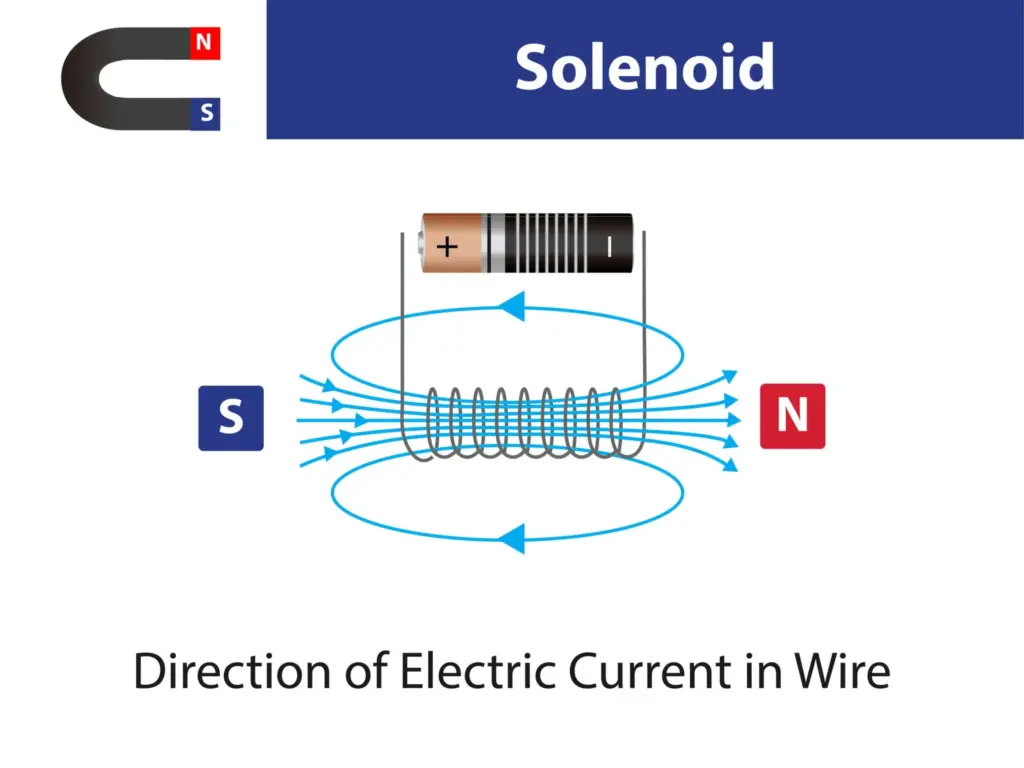
Electromagnets are unique because their magnetic strength is controllable and temporary. When electric current flows through a coil of wire wrapped around a metal core, it produces a magnetic field that can be switched on, strengthened, weakened, or turned off entirely.
This flexibility makes electromagnets an essential asset for systems that require precision, automation, and dynamic power management.
Electromagnets in Household Appliances
Electromagnets power many core functions in home devices:
Electric Motors
Nearly all rotating appliances rely on electromagnets:
Washing machines
Refrigerators
Air conditioners
Vacuum cleaners
Electric fans
The electromagnetic motor converts electrical energy into mechanical motion, enabling efficient and durable performance.
Door Locks and Latches
Electromagnetic locks are common in:
Smart home security systems
Apartment building entry systems
Commercial access control solutions
The lock engages when a current passes through the magnet, providing secure and reliable operation.
Speakers and Headphones
Inside every speaker system is an electromagnet working with a permanent magnet to vibrate the speaker cone and produce sound. This technology powers:
TVs
Smartphones
Bluetooth speakers
Home theater systems
Electromagnets in Consumer Electronics
Digital communication relies heavily on electromagnets for data transfer and motion control.
Hard Drives and Data Storage
Older HDDs use electromagnets to position the read/write head with extreme accuracy. Even in modern systems, electromagnetic principles underpin memory architecture.
Relays and Switches
Power supplies, chargers, and circuit boards use electromagnetic relays to open and close electrical circuits automatically.
Transportation systems depend on electromagnets for safety and performance.
Electric Vehicles
EV motors use high-precision electromagnets to generate efficient rotational force. These motors support:
Smooth acceleration
Reduced energy loss
High torque output
Railway Systems
Electromagnets are used in:
Maglev trains that float on magnetic tracks
Railway braking systems
Automated switching and signaling equipment
Automotive Sensors
Electromagnetic components power:
ABS sensors
Fuel injectors
Electric power steering
Alternators
Electromagnets in Healthcare
Advanced medical equipment depends on strong, precisely controlled electromagnetic fields.
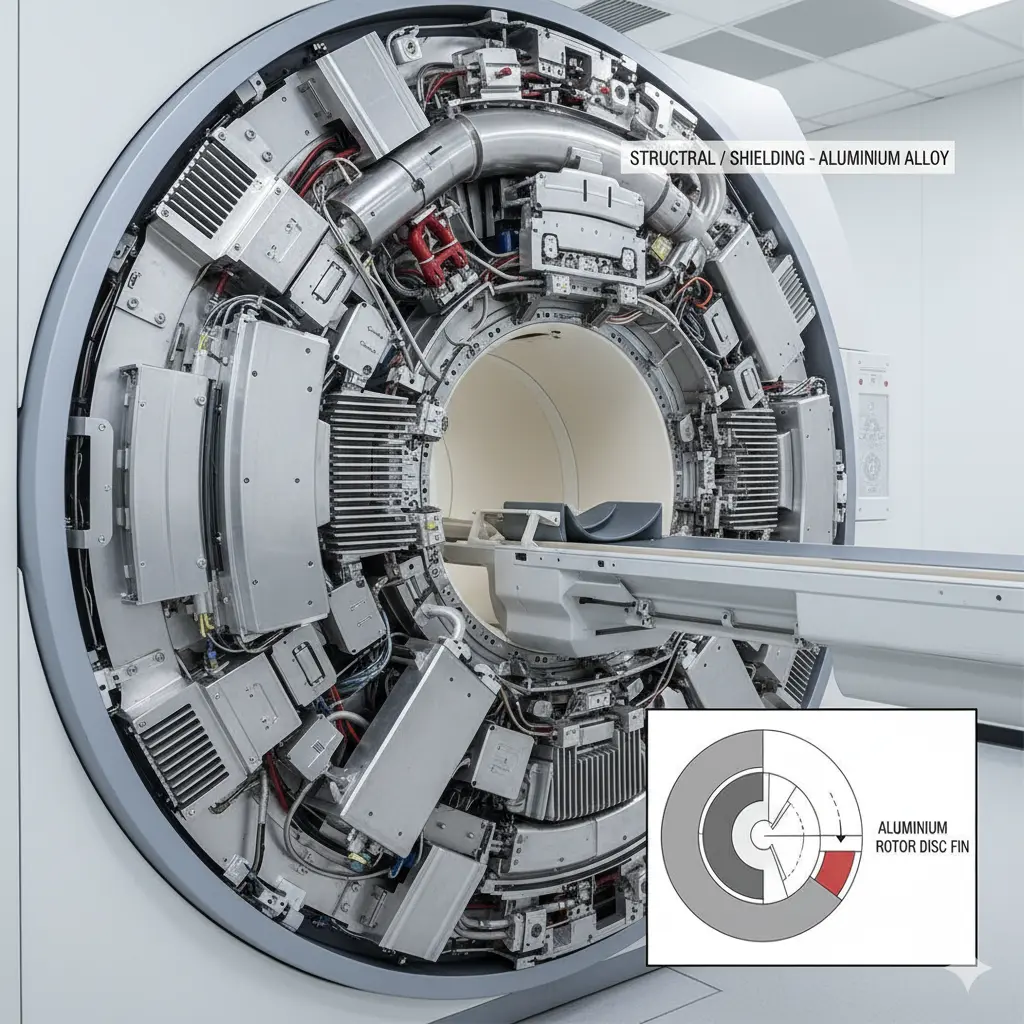
MRI Machines
Magnetic Resonance Imaging relies on high-power electromagnets to align particles in the human body and produce detailed diagnostic images.
Hospital Beds and Lifts
Electromechanical systems help healthcare workers adjust and maneuver patient equipment safely.
Medical Pumps and Valves
Electromagnetic actuators ensure consistent operation in infusion devices and monitoring equipment.
Electromagnets in Industry and Infrastructure
Beyond household and personal use, electromagnets drive critical industrial operations.
Magnetic Lifting Equipment
Scrap yards, factories, and logistics centers use electromagnets to lift, sort, and move heavy steel materials safely.
Automated Assembly Lines
Robotic arms equipped with electromagnetic grippers handle precision tasks with controllable magnet strength.
Power Grid Transformers
Electromagnetic transformers step voltage up or down, enabling stable electrical distribution.
Why Electromagnets Matter in Modern Life
Electromagnets provide:
Control over magnetic strength
Efficiency through reduced mechanical complexity
Reliability across high-demand applications
Versatility for both micro-scale electronics and industrial machinery
This combination makes electromagnets one of the most widely used technologies in modern engineering.
Conclusion
Electromagnets operate silently within the technologies we use every day, supporting everything from home appliances to global transportation systems. Their controllable magnetic fields enable automation, precision, and performance across a wide range of applications. As industries move toward greater electrification and smarter infrastructure, electromagnets will continue to play an essential role in shaping the future of modern life.
If you need electromagnetic components or custom magnetic assemblies for advanced applications, HSMAGNET provides engineered solutions designed for precision, reliability, and long-term operational excellence.
Manage Consent
To provide the best experiences, we use technologies like cookies to store and/or access device information. Consenting to these technologies will allow us to process data such as browsing behavior or unique IDs on this site. Not consenting or withdrawing consent, may adversely affect certain features and functions.
Functional
Always active
The technical storage or access is strictly necessary for the legitimate purpose of enabling the use of a specific service explicitly requested by the subscriber or user, or for the sole purpose of carrying out the transmission of a communication over an electronic communications network.
Preferences
The technical storage or access is necessary for the legitimate purpose of storing preferences that are not requested by the subscriber or user.
Statistics
The technical storage or access that is used exclusively for statistical purposes.The technical storage or access that is used exclusively for anonymous statistical purposes. Without a subpoena, voluntary compliance on the part of your Internet Service Provider, or additional records from a third party, information stored or retrieved for this purpose alone cannot usually be used to identify you.
Marketing
The technical storage or access is required to create user profiles to send advertising, or to track the user on a website or across several websites for similar marketing purposes.