
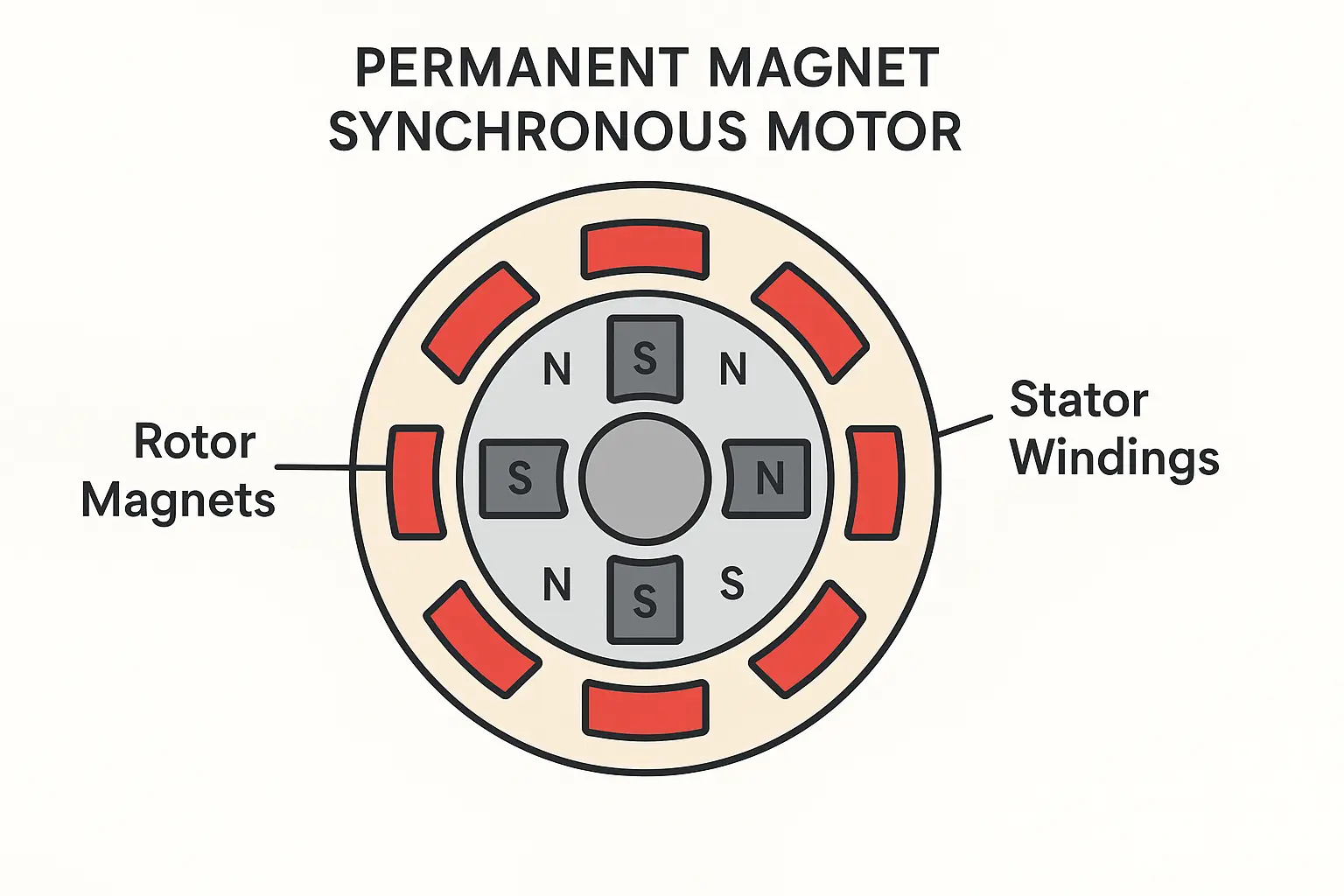
A Permanent Magnet Synchronous Motor (PMSM) is an advanced electric motor that uses permanent magnets embedded in or attached to the rotor to generate a consistent magnetic field. Unlike induction motors, PMSMs do not rely on induced rotor currents, enabling higher efficiency, lower heat generation, and more precise control. These advantages have positioned PMSMs as a preferred solution across industrial automation, robotics, automotive powertrains, HVAC systems, and high-performance motion-control applications.
As global industries accelerate their transition toward energy-efficient and digitally controlled power systems, PMSMs continue to gain market share due to their superior performance, compact design, and reliable operational characteristics.
How a PMSM Works
A PMSM operates by synchronizing the rotor’s magnetic field with the rotating magnetic field produced by the stator. The permanent magnets create a stable magnetic force, while alternating current in the stator windings generates the rotating field.
This synchronous relationship ensures:
- Constant speed under steady load
- High torque density
- Minimal energy losses
- Consistent, vibration-controlled operation
PMSMs typically utilize neodymium or samarium cobalt magnets because of their high magnetic strength, thermal stability, and resistance to demagnetization. The quality of these magnets directly influences motor efficiency, power density, and performance in demanding environments.
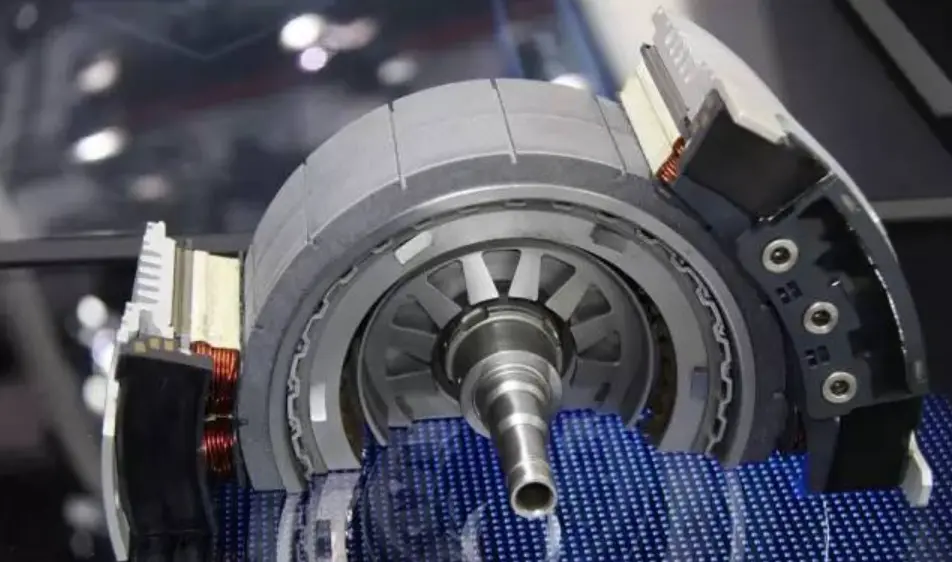
Key Advantages of Permanent Magnet Synchronous Motors
The engineering benefits of PMSMs make them a strategic choice for modern, high-efficiency systems.
High Efficiency and Lower Energy Consumption
Permanent magnets eliminate the need for rotor excitation currents, reducing power losses and improving overall efficiency—often exceeding 90%. This performance is essential for industries focused on sustainability, operational cost reduction, and long-term energy optimization.
High Torque Density and Power-to-Weight Ratio
By integrating high-strength permanent magnets, PMSMs deliver stronger magnetic flux within a compact footprint. This enables lighter motor designs with higher output power, supporting everything from electric vehicles to advanced robotics.
Excellent Dynamic Control
PMSMs provide precise speed and torque response, making them ideal for applications demanding accuracy, such as CNC machinery, industrial automation, semiconductor equipment, and high-end servo systems.
Reduced Maintenance Requirements
With fewer components subject to electrical or mechanical wear, PMSMs offer longer operating lifecycles and reduced maintenance costs—another major advantage in industrial and automotive environments.
PMSM Applications Across Modern Industries
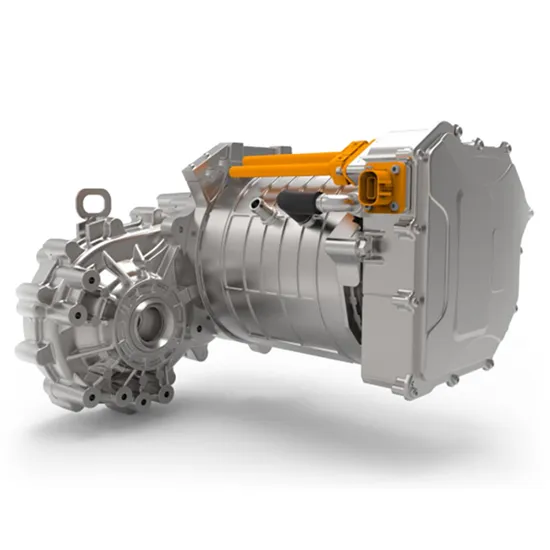
PMSMs have become fundamental components in numerous sectors due to their reliability and energy-efficient performance.
Electric Vehicles
PMSMs power many modern EV drivetrains, offering high torque, smooth acceleration, and low energy consumption. Their compact size enhances design flexibility and vehicle range.
Industrial Automation and Robotics
In factories, PMSMs drive servo motors, conveyors, robotic joints, and precision machinery. Their rapid response and stable operation support high-accuracy production lines.
HVAC, Pumps, and Compressors
Energy-efficient PMSMs improve system performance and reduce power costs in HVAC blowers, industrial pumps, and air compressors.
Home Appliances and Consumer Electronics
From washing machines to high-end fans, PMSMs enable quieter, more efficient product designs that meet global energy standards.
The Strategic Importance of High-Quality Permanent Magnets
Since PMSMs rely heavily on magnetic performance, the choice of permanent magnet materials—especially neodymium and samarium cobalt—directly determines motor efficiency, torque output, and thermal stability. For manufacturers and engineers, sourcing high-grade magnets is mission-critical to ensuring long-term product reliability and competitive performance levels.


Leave a Reply