
Blog
-
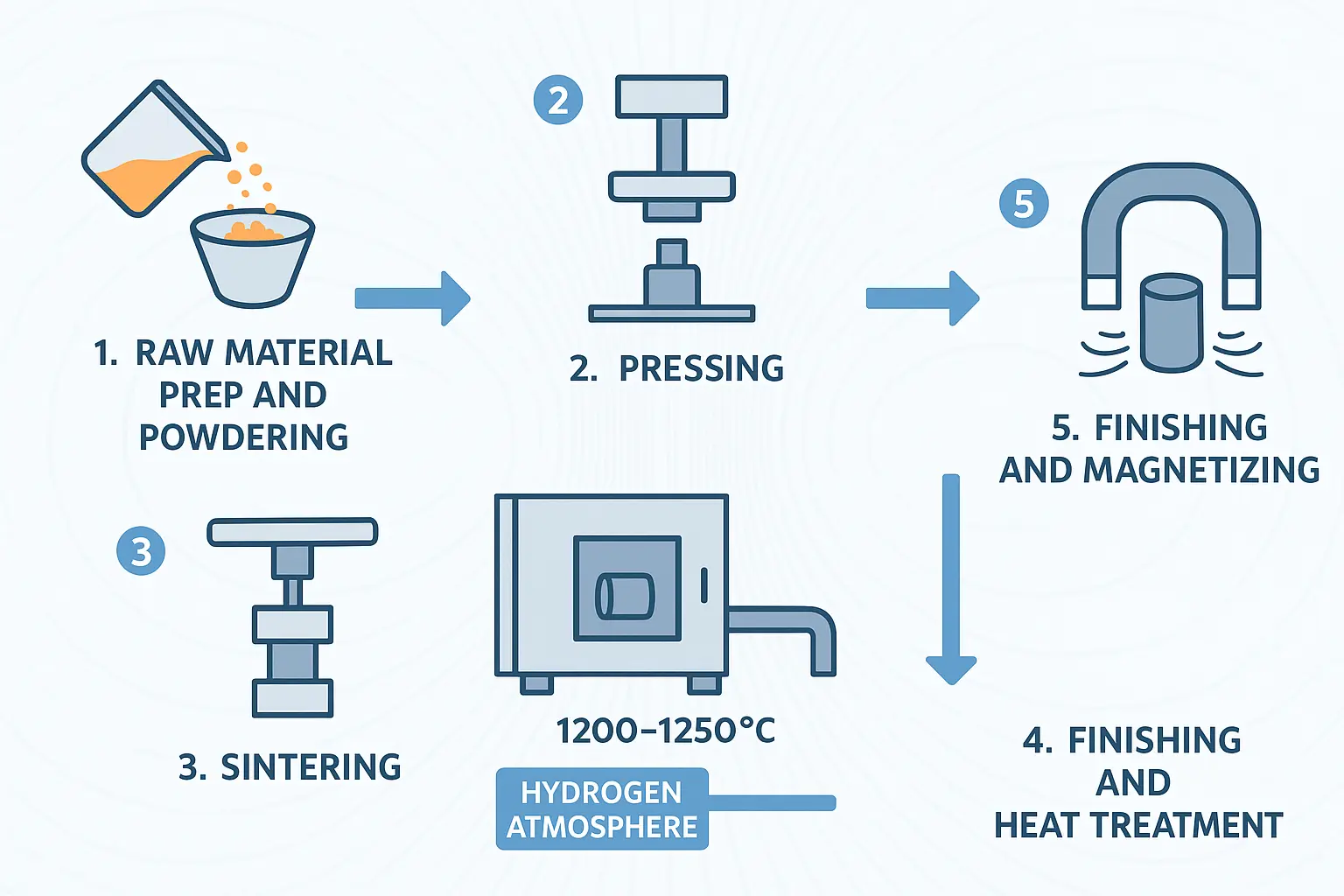
Understanding Sintered Alnico Magnets: Manufacturing Process and Key Differences
In the world of permanent magnets, Alnico magnets stand out for their durability, high-temperature performance, and historical significance—they were among the first permanent magnets developed in the early 20th century. Composed primarily of aluminum (Al), nickel (Ni), and cobalt (Co),…
-
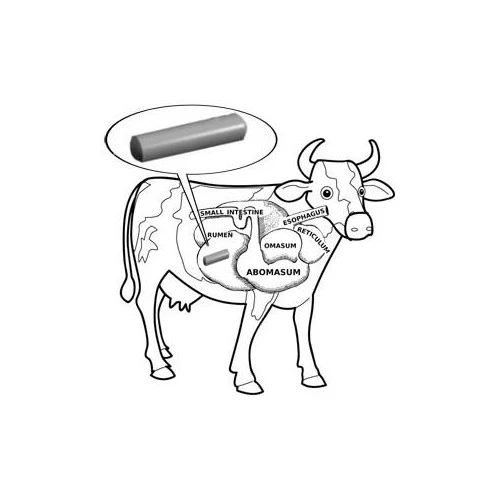
How to Safely Administer Cow Magnets: Preventing Hardware Disease in Cattle
In the world of cattle farming, maintaining herd health is paramount for productivity and profitability. One common yet preventable issue is hardware disease, a condition where cows ingest metal objects like nails, wires, or staples, leading to serious internal injuries.…
-
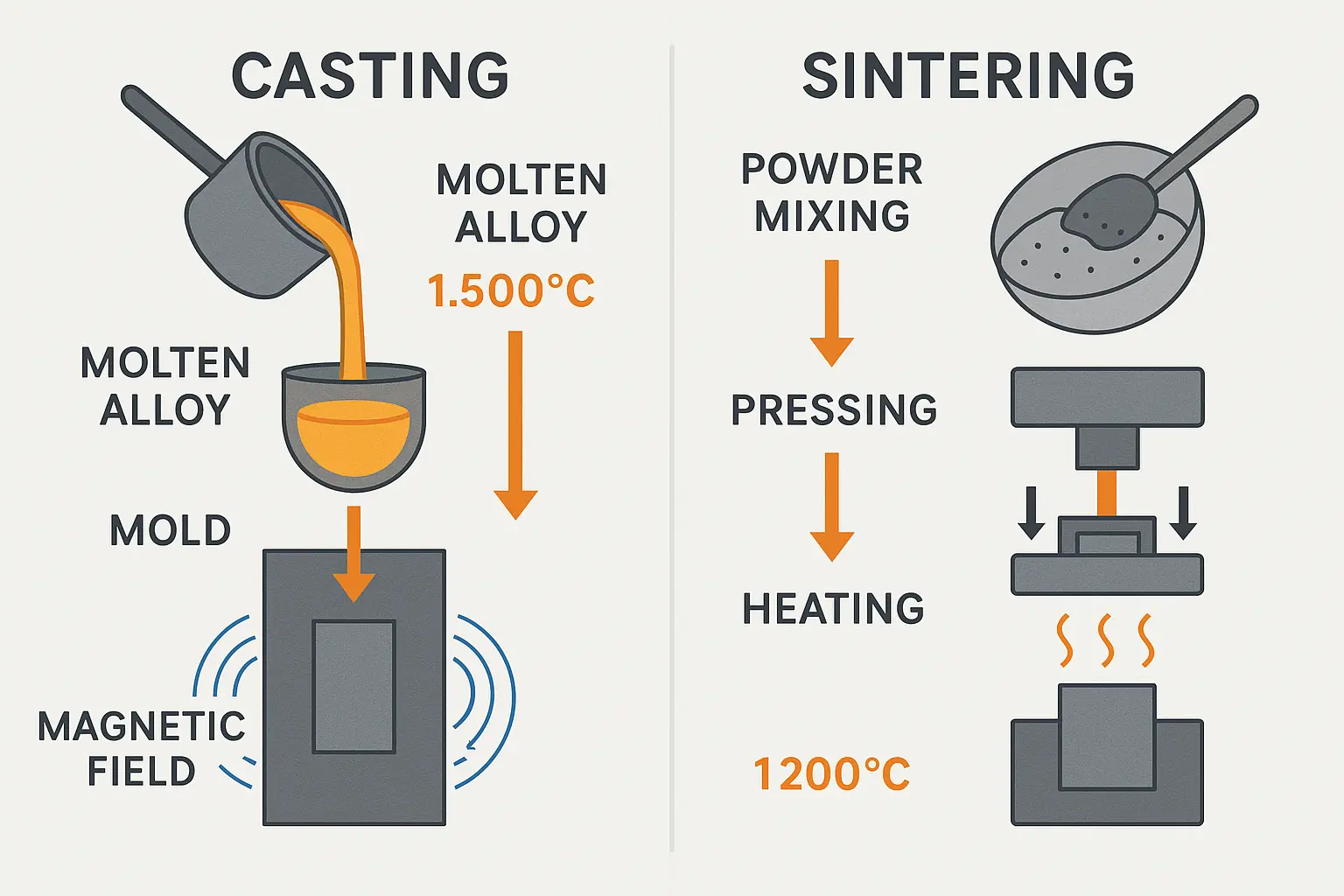
The difference between cast AlNiCo and sintered AlNiCo magnet
AlNiCo magnets, composed primarily of aluminum, nickel, cobalt, and iron, are known for their excellent temperature stability and corrosion resistance, making them ideal for high-heat environments up to 500°C or more. They come in two main forms based on manufacturing:…
-
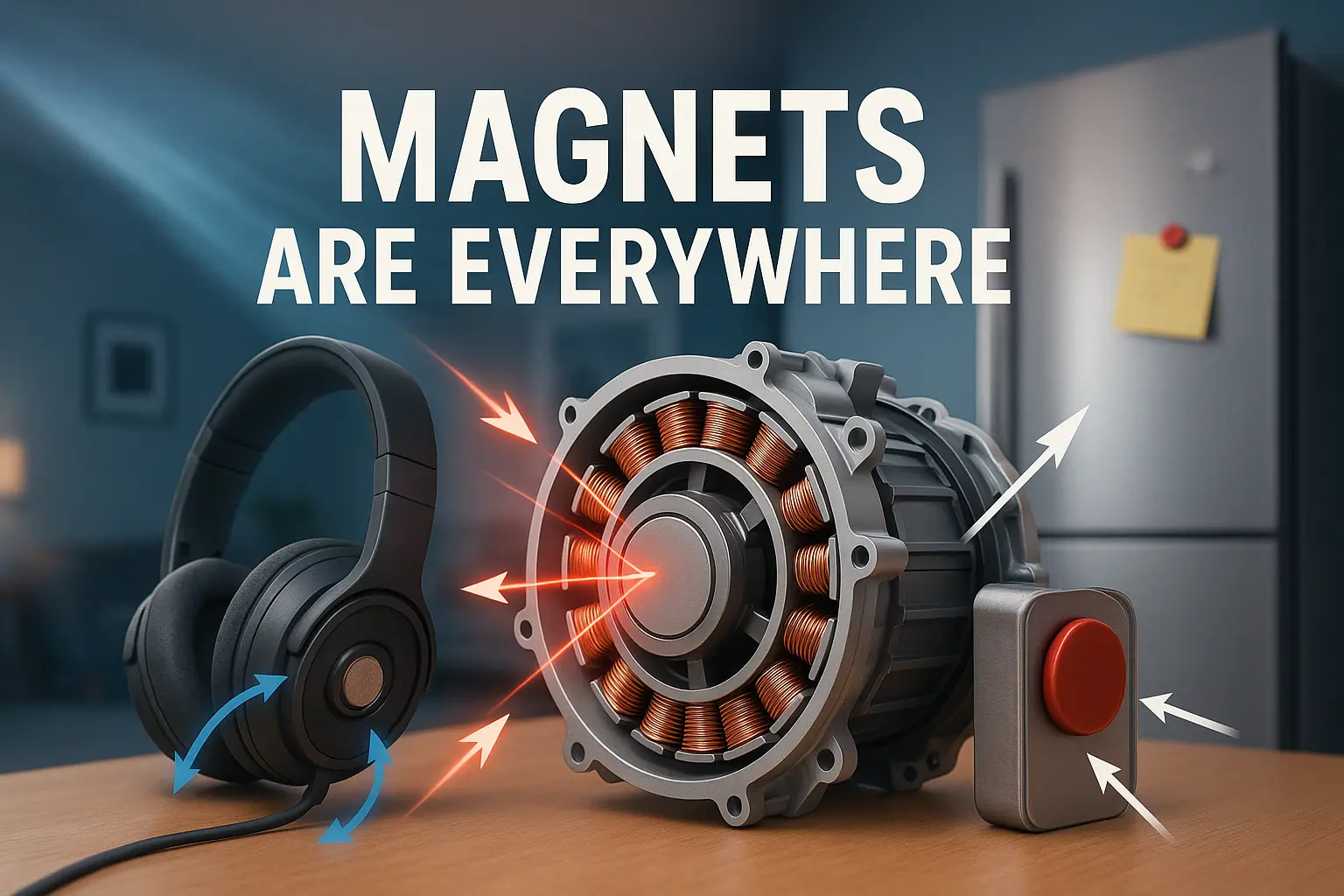
Understanding Isotropic and Anisotropic Magnets: A Beginner’s Guide
Magnets are everywhere in our daily lives—from the speakers in your headphones to the motors in electric vehicles. But not all magnets are created equal. Among the key distinctions in magnet types are isotropic and anisotropic magnets. These terms refer…
-
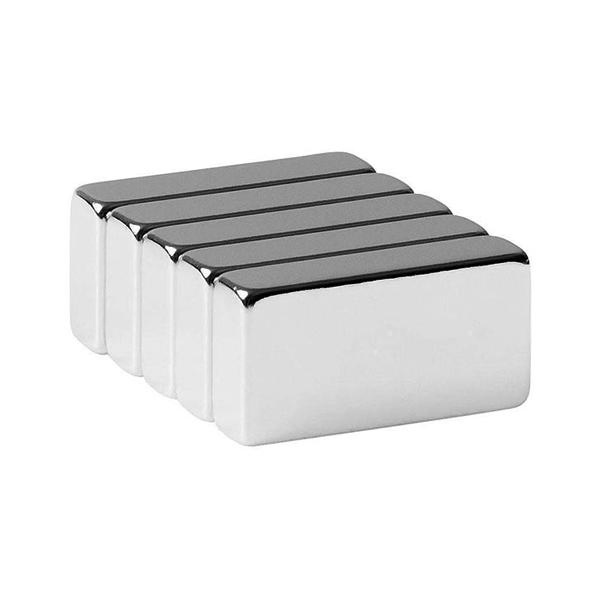
How Directional Solidification Enhances Alnico Magnet Performance
Alnico magnets, made from an alloy of aluminum, nickel, cobalt, and iron, are among the earliest permanent magnetic materials developed for industrial use. Even though rare-earth magnets like NdFeB and SmCo dominate many high-performance applications today, Alnico still holds an…
-
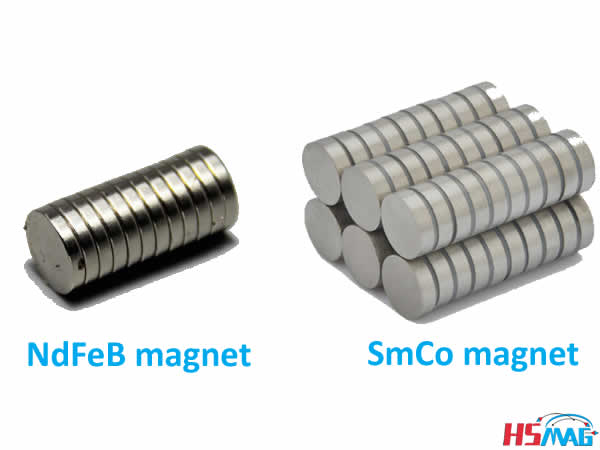
Samarium Cobalt Magnets vs. Neodymium Magnets: A Complete Comparison
Permanent magnets are the backbone of modern technology, powering everything from small electronic devices to high-performance motors. Among the strongest and most widely used are Samarium Cobalt (SmCo) magnets and Neodymium Iron Boron (NdFeB) magnets. While both belong to the…
-

Magnetic Therapy: Benefits, Types, and How It Works
Magnetic therapy is a form of alternative medicine that uses magnets to help relieve pain and support overall wellness. It has gained popularity as a complementary treatment for conditions such as arthritis, chronic back pain, headaches, and other musculoskeletal issues.…
-

Working Principle of a Speaker: How Magnets Create Sound
A speaker is a fascinating device that converts electrical signals into audible sound waves, enriching our daily audio experiences—whether through phones, TVs, or professional sound systems. To understand how a speaker works, it’s helpful to look at both the working…
-
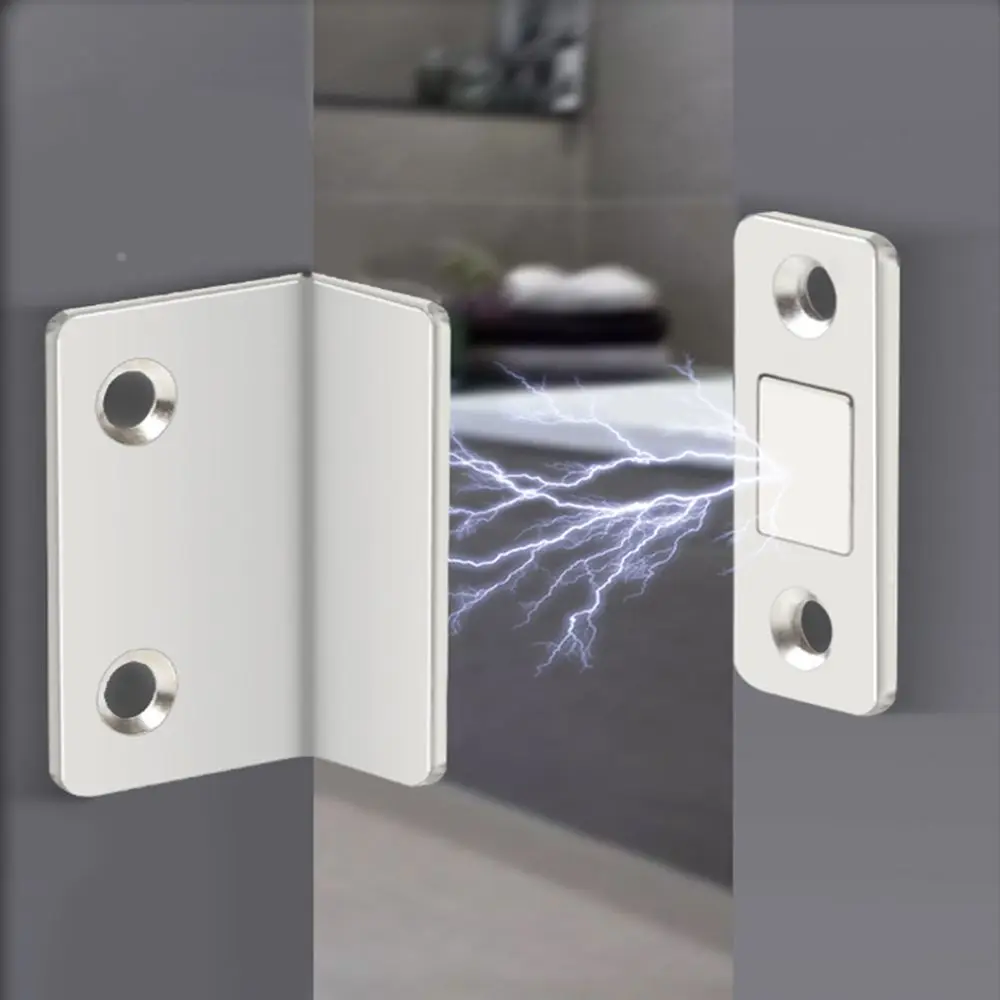
Magnetic Door Catch: Types, Magnets Used, and Applications
A magnetic door catch (also called magnetic door stop, magnetic door latch, or door magnet) is a device that uses magnets to hold a door closed securely. It typically has two parts: When the door shuts, the magnet attracts the…
-
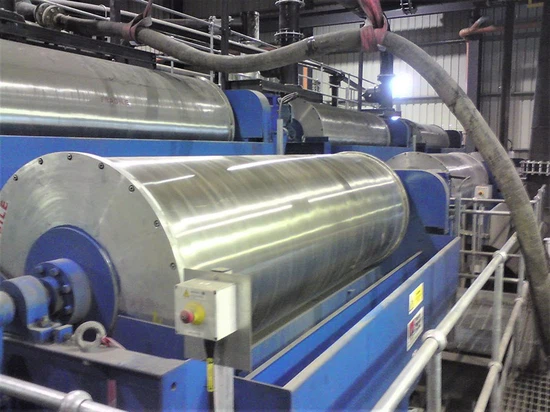
Magnetic Drum Separator: Your Ultimate Guide to Efficient Material Separation
A magnetic drum separator is a powerful tool used to remove tramp iron and ferromagnetic materials from bulk materials on conveyor belts or vibrating feeders. This equipment is essential in industries like mining, recycling, and food processing, ensuring clean, contaminant-free…
Lastest Posts
- Permanent Magnets in Robotics: Precision Motion Control Applications
- How Magnetic Sensors Improve Manufacturing Accuracy and Reliability
- Sintered vs Bonded NdFeB Magnets: Engineering Trade-Offs Explained
- Understanding BH Curves: A Practical Guide for Engineers
- Rare Earth Permanent Magnet Supply & Cost Analysis
New Comments
Magnetic sensors play a vital role in modern manufacturing by improving measurement accuracy, operational reliability, and process efficiency. An insightful…
It is actually a great and useful piece of info. I am glad that you simply shared this useful information…
We are currently developing a project that uses a motorized conveyor idler equipped with a small PMSM motor. The objective…
Danke für den Hinweis. Ich habe die Dichtung des Kühlschranks mit einer Büroklammer getestet. Sie ist durchgängig schwach magnetisch- allerdings…
An excellent technical guide that makes B-H curves easier to understand and highlights their importance in selecting magnetic materials and…