

Magnets are fundamental to modern technology — from electric motors and generators to sensors and data storage. However, not all magnets are the same. Two main types dominate industrial and scientific applications: permanent magnets and electromagnets. While both create magnetic fields, their source of magnetism, behavior, and applications differ significantly.
In this article, we’ll explore the difference between a magnet and an electromagnet, their working principles, and where each type is best used.
Understanding Permanent Magnets
A permanent magnet is a material that generates a persistent magnetic field without any external power source. Its magnetism arises from the alignment of atomic magnetic domains, which remain fixed once magnetized.
Key Features of Permanent Magnets
- No power required — They maintain their magnetic field continuously.
- Fixed magnetic strength — The intensity of the field depends on the material’s properties.
- Common materials — Neodymium (NdFeB), samarium-cobalt (SmCo), alnico, and ferrite.
Applications
Permanent magnets are widely used where consistent magnetic force is required without electrical input, such as:
- Magnetic sensors and pickups
- Loudspeakers and headphones
- Refrigerator door seals
- Motors and generators
- Magnetic holding and lifting systems
Understanding Electromagnets
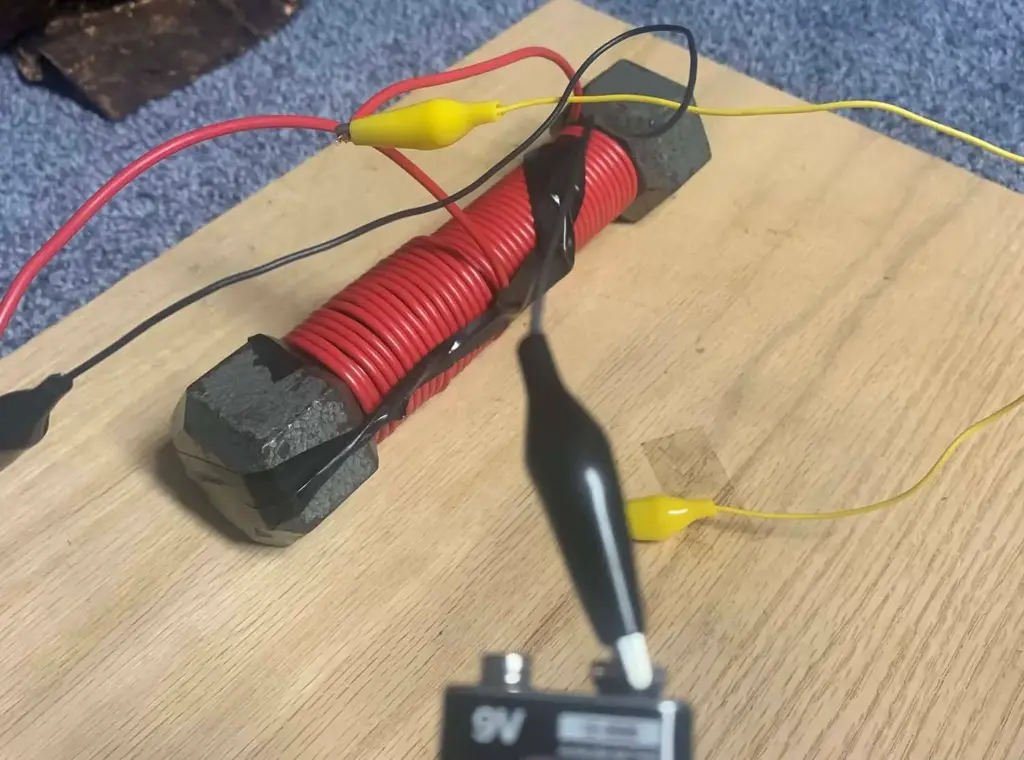
An electromagnet generates a magnetic field only when an electric current passes through a wire coil. The field disappears when the current is turned off. The strength of an electromagnet can be controlled by adjusting the electric current or the number of wire turns around its core.
Key Features of Electromagnets
- Requires electrical power — No magnetism without current.
- Variable magnetic strength — Easily adjustable by changing voltage or current.
- Core material — Usually made of soft iron to enhance the magnetic field.
Applications
Electromagnets are essential in technologies that require controlled or temporary magnetism, including:
- Electric motors and transformers
- Magnetic cranes for heavy lifting
- Relays and solenoids
- MRI machines
- Magnetic sorting and separation equipment
Major Differences Between Magnets and Electromagnets
| Feature | Permanent Magnet | Electromagnet |
|---|---|---|
| Source of Magnetism | Alignment of magnetic domains in the material | Flow of electric current through a coil |
| Power Requirement | None | Requires continuous electric current |
| Magnetic Strength | Fixed | Adjustable and controllable |
| Field Duration | Permanent | Temporary (exists only when current flows) |
| Material Type | Hard magnetic materials (NdFeB, SmCo, ferrite) | Soft iron or steel core wrapped with wire |
| Applications | Sensors, motors, speakers, holding devices | Cranes, transformers, electromagnets, solenoids |
Advantages of Each Type
Advantages of Permanent Magnets
- Energy-efficient — no external power required.
- Simple, durable, and maintenance-free.
- Ideal for static magnetic applications.
Advantages of Electromagnets
- Adjustable strength and polarity.
- Can be turned on or off as needed.
- Suitable for dynamic or high-power industrial systems.
Industrial Relevance
In modern manufacturing, both permanent magnets and electromagnets play critical roles.
For example:
- Permanent magnets are key to compact, energy-efficient electric motors used in consumer electronics and vehicles.
- Electromagnets power large-scale industrial systems such as cranes, relays, and transformers, where variable magnetic control is essential.
Together, these technologies form the backbone of countless magnetic and electromagnetic applications worldwide.
Conclusion
The difference between a magnet and an electromagnet lies primarily in the source of their magnetic fields. Permanent magnets generate constant magnetism naturally, while electromagnets rely on electric current to create controlled and reversible magnetic effects.
Both types are indispensable in modern industry — and understanding their distinctions helps engineers and technicians choose the right magnetic solution for each application.
For high-performance permanent magnets, electromagnetic components, and custom magnetic assemblies, visit HSMAGNET — your trusted partner in advanced magnetic technology.
Leave a Reply