
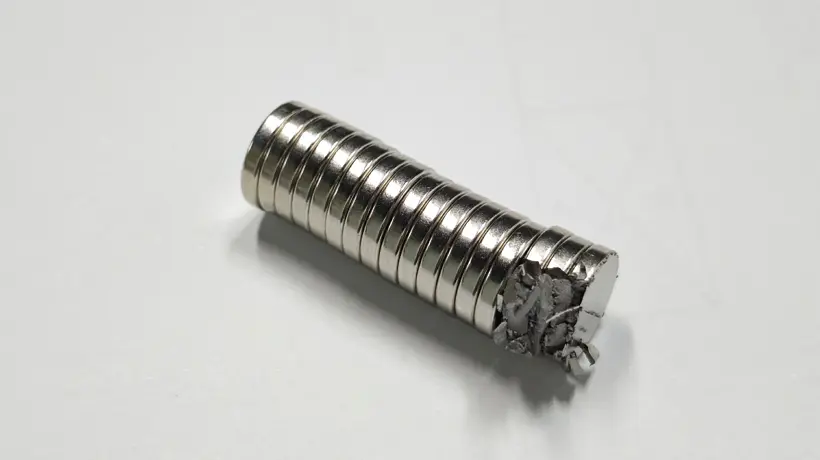
Magnets are essential components in countless industrial and engineering applications, from motors and sensors to magnetic fixtures and assemblies. However, one common question often arises during customization: can you drill a hole in a magnet?
While it might seem straightforward, drilling into a magnet is not a simple task. It involves significant technical risks and requires careful planning, the right tools, and strict safety precautions. This article will explain whether you can drill a magnet, how to do it properly, and the potential consequences if done incorrectly.
Understanding Magnet Composition
Before drilling, it’s essential to understand what magnets are made of. Magnets are not solid metal blocks — they are brittle materials composed of metallic powders that have been pressed and sintered under high heat and pressure.
Types of Magnets Commonly Used
- Neodymium (NdFeB) – Extremely strong but very brittle and heat-sensitive.
- Samarium Cobalt (SmCo) – High temperature resistance, but fragile.
- Ferrite (Ceramic) – Inexpensive, corrosion-resistant, but easy to crack.
- Alnico – Strong, durable, and can withstand moderate heat and mechanical stress.
Because of their composition, most magnets—especially neodymium and ferrite types—can easily crack or lose magnetism when drilled.
Can You Drill a Magnet?
The Short Answer: Yes, But With Great Caution
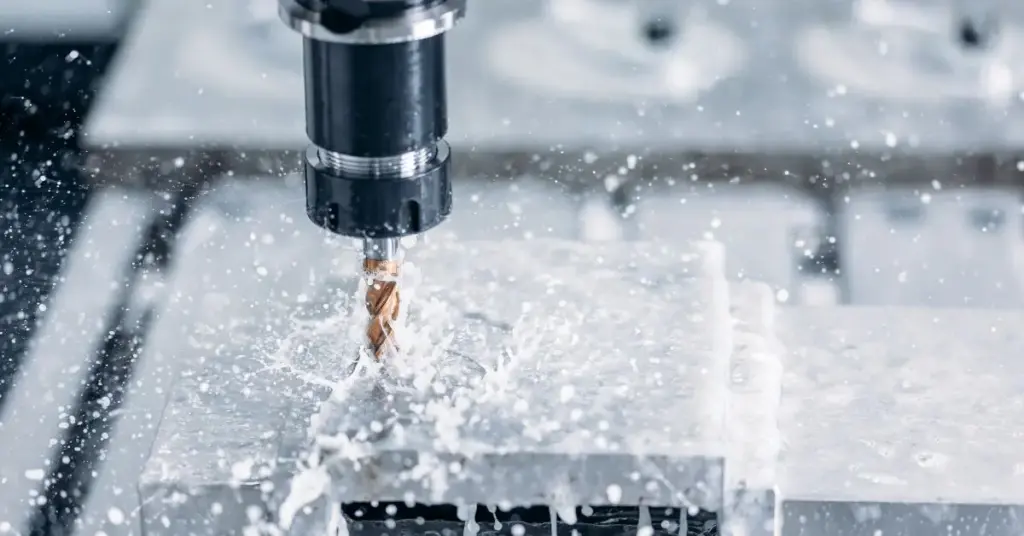
Technically, it is possible to drill a hole in certain types of magnets, but it’s not recommended for neodymium or ceramic magnets unless done with specialized tools and cooling methods. Drilling generates heat, and high temperatures can demagnetize the magnet or cause it to shatter.
If your application requires a magnet with a hole, the best approach is to order it pre-drilled from the manufacturer. Industrial magnets are often sintered and magnetized after machining, which prevents damage during fabrication.
Why Drilling Magnets Is Challenging
1. Brittleness
Magnets, especially rare-earth types, are extremely hard but brittle. They tend to chip, crack, or shatter under mechanical stress.
2. Heat Sensitivity
Drilling produces heat due to friction. When a magnet’s temperature exceeds its Curie point, it permanently loses its magnetic properties.
3. Safety Risks
Flying magnetic fragments can cause injury. Additionally, neodymium dust is flammable and must not contact sparks or open flames.
How to Drill a Hole in a Magnet Safely (If Necessary)
If drilling is unavoidable, follow these industrial best practices:
- Use a diamond-coated or carbide drill bit – Suitable for hard, brittle materials.
- Operate at low speed – Reduces heat and mechanical shock.
- Apply continuous water or coolant – Prevents overheating and minimizes dust.
- Secure the magnet firmly – Prevents slippage or breakage.
- Wear eye and hand protection – Protects from flying debris and magnetic dust.
- Drill before magnetizing (if possible) – Machine the magnet in an unmagnetized state to avoid demagnetization.
When You Should Not Drill a Magnet
- When working with strong neodymium magnets, as they easily demagnetize or explode under stress.
- When precise dimensions are required — machining changes magnetic performance.
- When safety or flammability risks are high.
In such cases, always request custom-made magnets with holes or countersinks directly from professional magnets manufacturers like HSMAGNET.
Alternative Solutions to Drilling
If you need to mount or attach a magnet without drilling, consider these options:
- Use adhesive bonding (e.g., epoxy or Loctite).
- Use mechanical holders or brackets.
- Select ring magnets or countersunk magnets designed for screws.
These solutions maintain full magnetic strength and eliminate the risk of damaging the magnet.
Conclusion
While you can drill a hole in a magnet, it’s generally not recommended due to the material’s brittleness, heat sensitivity, and risk of demagnetization. Unless you have professional equipment and experience, the safest and most effective solution is to purchase pre-drilled or custom magnets designed for your application.
At HSMAGNET, we specialize in manufacturing custom magnetic assemblies, including magnets with holes, countersinks, and specialized shapes to meet industrial standards. Contact us for tailored magnetic solutions that deliver precision, durability, and consistent magnetic performance.
Leave a Reply