
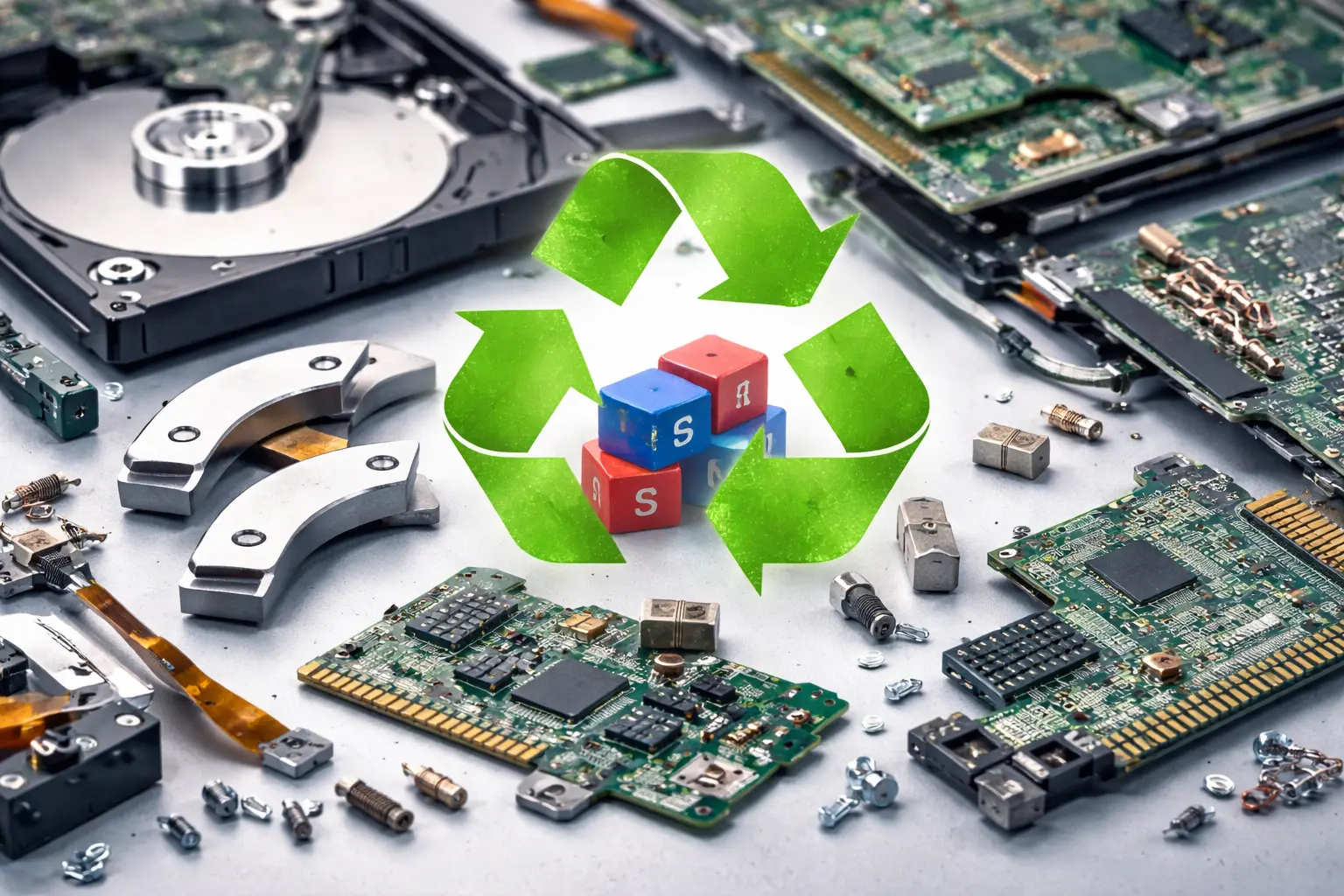
Neodymium magnets are critical components in many modern technologies, including electric vehicles, wind turbines, consumer electronics, and industrial motors. As global demand for these high-performance magnets continues to grow, concerns about rare earth resource sustainability are increasing. Recycling neodymium magnets provides an important pathway to reduce environmental impact, improve material efficiency, and support a more resilient supply chain.
However, while recycling offers clear benefits, it also presents several technical and economic challenges.
Table of Contents
Why Recycling Neodymium Magnets Matters
Neodymium magnets are primarily made from rare earth elements such as neodymium and praseodymium, sometimes with additional elements like dysprosium for improved high-temperature performance. Mining and refining these materials require complex processes that can affect the environment.
Recycling magnets helps address these concerns by:
- Reducing reliance on newly mined rare earth materials
- Lowering environmental impact from mining and refining
- Supporting circular economy initiatives
- Improving long-term supply stability
As industries such as electric vehicles and renewable energy expand, demand for NdFeB magnets is expected to increase significantly. Recycling can help offset part of this growing demand.
Sources of Recyclable Neodymium Magnets
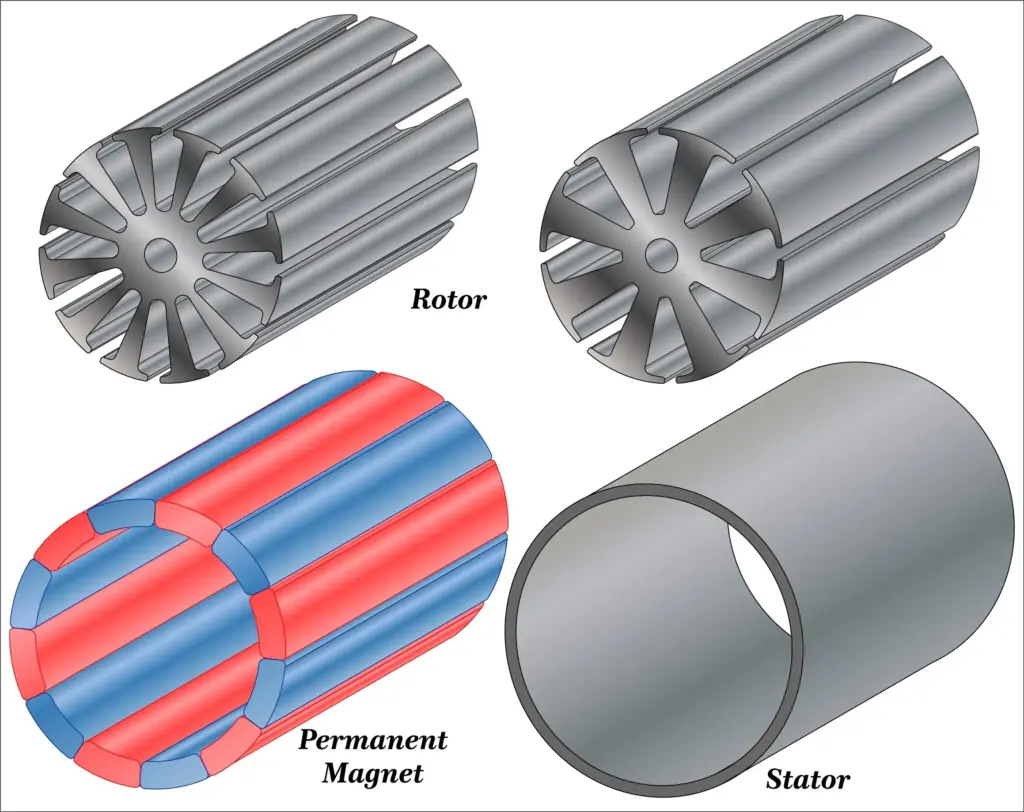
Neodymium magnets are embedded in many products, which makes recovery more complex. Common sources of recyclable magnets include:
- Electric vehicle motors
- Wind turbine generators
- Hard disk drives
- Industrial automation equipment
- Consumer electronics
Among these, electronic waste and end-of-life motors are considered the most practical recycling streams.
Key Challenges in Magnet Recycling
Despite its potential, large-scale recycling of neodymium magnets is still developing due to several challenges.
Product Disassembly
Magnets are often integrated deep inside products and may be glued or fixed into mechanical structures. Extracting them can require significant labor and specialized tools.
Material Contamination
Recovered magnets frequently contain coatings, adhesives, or other metals. These contaminants must be removed before the material can be reused or reprocessed.
Oxidation and Material Degradation
Neodymium magnets are sensitive to oxidation if protective coatings are damaged. Oxidation can reduce material quality and complicate recycling processes.
Economic Considerations
Recycling technologies can be costly. If recycling expenses exceed the cost of producing new materials, large-scale adoption becomes more difficult. Economic feasibility therefore depends on efficient processing and stable rare earth prices.
Emerging Recycling Technologies
Researchers and manufacturers are developing new technologies to make magnet recycling more practical.
Direct reuse allows magnets that remain structurally intact to be cleaned and remagnetized for future applications.
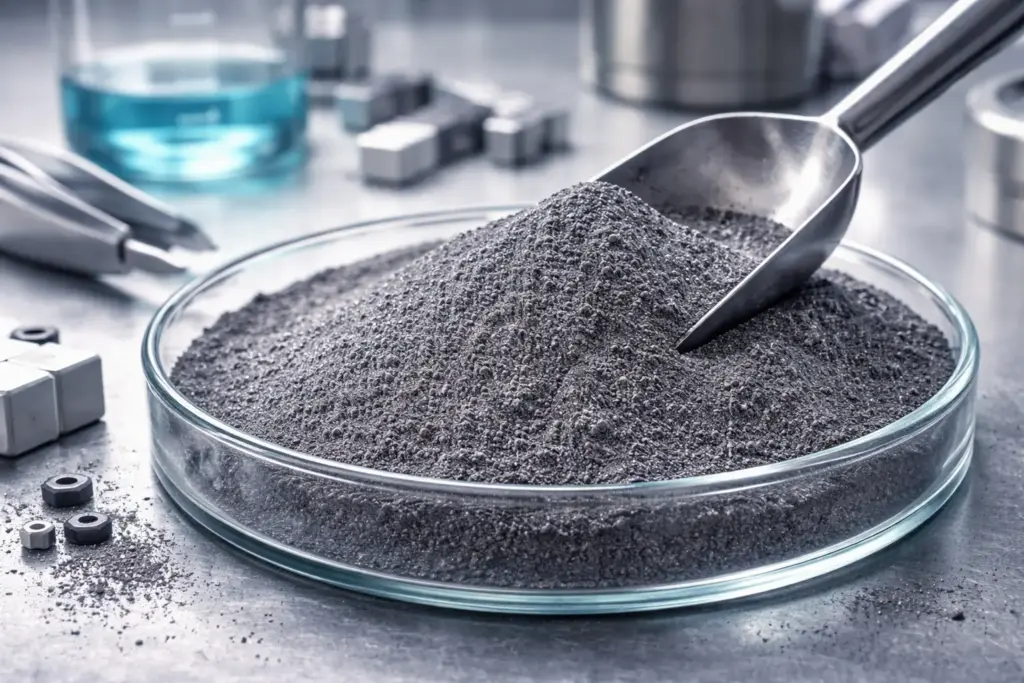
Hydrogen decrepitation is another promising method. Hydrogen gas breaks the magnet into powder, which can then be processed into new magnet materials.
Some recycling systems also focus on recovering rare earth elements chemically, allowing them to be refined and reused in new magnet production.
Opportunities for a Circular Magnet Economy
Improving magnet recycling systems offers several long-term sustainability benefits. Recovered rare earth materials can be reintroduced into manufacturing, reducing the need for new mining and improving resource efficiency.
Recycling also supports clean energy industries that rely heavily on permanent magnets, including electric mobility and wind power. In addition, developing recycling capabilities can strengthen supply chain security by creating alternative sources of rare earth materials.
Conclusion
Recycling neodymium magnets is becoming increasingly important as demand for rare earth materials grows. Although challenges remain—such as complex disassembly, contamination, and economic barriers—advances in recycling technology are creating new opportunities.
By recovering valuable materials from end-of-life products, magnet recycling can reduce environmental impact, support sustainable manufacturing, and contribute to a more resilient global supply chain.
Leave a Reply