
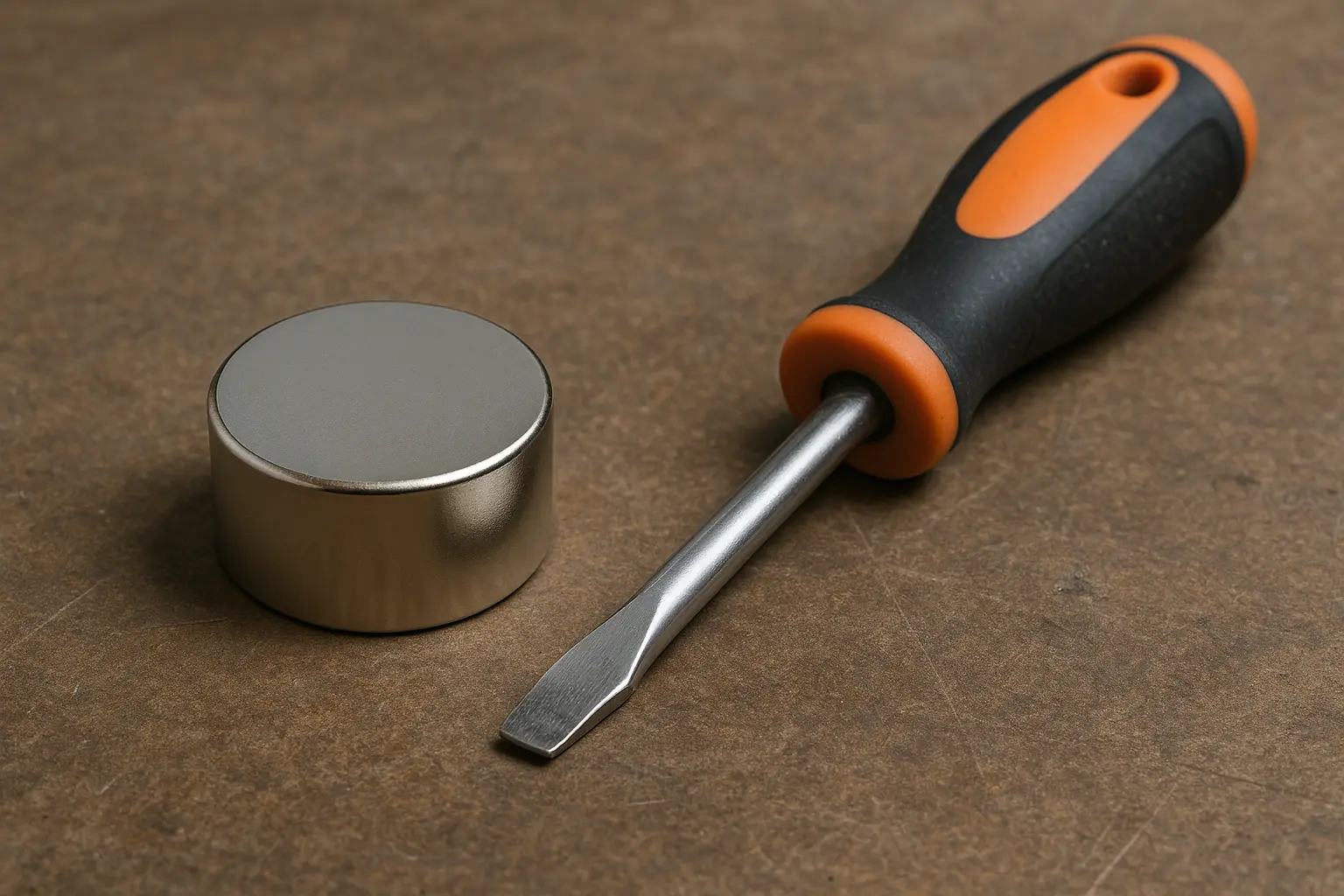
A magnetized screwdriver is a simple but powerful tool in any workshop. Whether you’re assembling electronics, fixing appliances, or working in tight spaces, a magnetized tip makes it easy to hold screws securely and prevent drops. If your screwdriver isn’t magnetic, don’t worry — you can magnetize it yourself in just a few minutes using simple tools and basic magnetic principles.
This guide explains how to magnetize a screwdriver, why it works, and when demagnetization may be necessary.
Why Magnetize a Screwdriver?
Magnetizing a screwdriver offers practical benefits, especially in professional and DIY environments:
- Improves precision: Holds screws on the tip for easy placement.
- Increases efficiency: Prevents losing small screws in machinery or electronics.
- Enhances safety: Reduces the risk of dropping screws into sensitive components.
In short, a magnetized screwdriver makes work cleaner, faster, and more efficient — especially in assembly lines, repair shops, and maintenance operations.
How Magnetization Works
Magnetism in metals like steel arises from the alignment of magnetic domains — tiny regions where the atomic magnetic moments point in the same direction. In a non-magnetized screwdriver, these domains are randomly oriented. When exposed to a strong magnetic field, the domains align, creating a lasting magnetic effect in the tool’s tip.
Most screwdrivers are made from ferromagnetic materials such as carbon steel or chrome vanadium steel, making them ideal candidates for magnetization.
Step-by-Step: How to Magnetize a Screwdriver
1. Gather Your Materials
You’ll need:
- A strong neodymium magnet (recommended for best results)
- The screwdriver you wish to magnetize
- (Optional) A cloth or gloves to protect your hands from the magnet’s strength
2. Clean the Screwdriver Tip
Dirt or oil can reduce magnetic contact. Wipe the tip with a dry cloth to ensure a clean metal surface before you begin.
3. Determine Magnet Polarity
If possible, identify the magnet’s north and south poles. Consistency in direction is important — do not alternate the magnet’s polarity during the process.
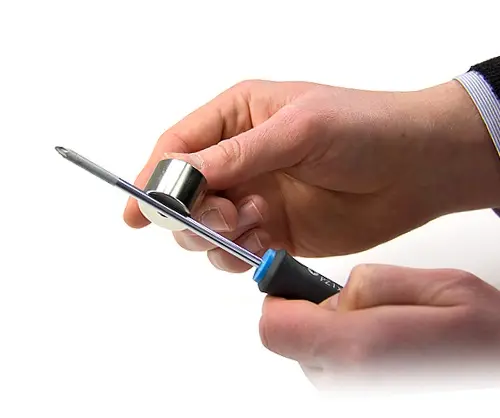
4. Stroke the Magnet Along the Shaft
- Hold the magnet firmly against the screwdriver shaft near the tip.
- Stroke it in one direction only — from the handle toward the tip — about 20 to 30 times.
- Avoid back-and-forth motion, as it cancels the alignment of magnetic domains.
- The magnetic field gradually aligns the screwdriver’s atomic structure, magnetizing it effectively.
5. Test the Magnetization
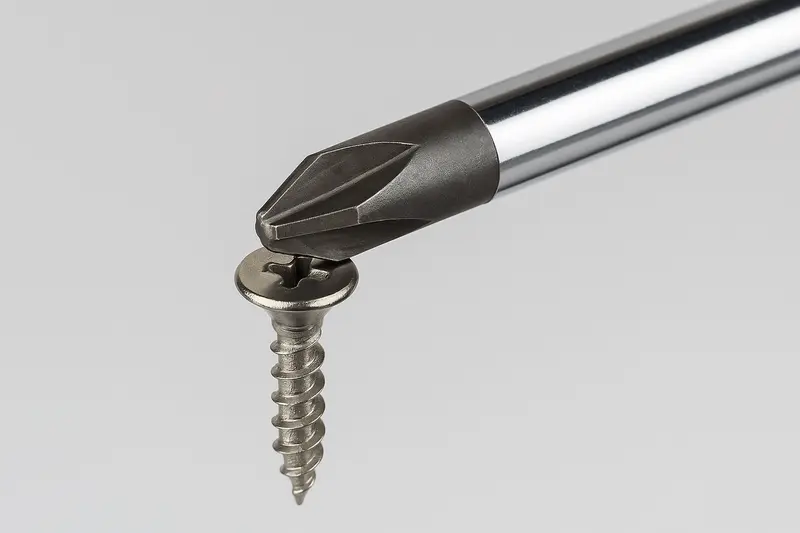
Try picking up a small steel screw or paper clip with the screwdriver tip. If it clings firmly, the tool is successfully magnetized. If not, repeat the process several more times using firm, consistent strokes.
How to Demagnetize a Screwdriver (When Needed)
Sometimes, you may want to remove the magnetism, particularly when working near sensitive electronics or magnetic sensors. To demagnetize:
- Use a demagnetizer tool (commonly found in hardware stores).
- Alternatively, stroke the magnet along the screwdriver in alternating directions or heat the tip briefly (carefully, without damaging the metal).
These actions randomize the magnetic domains, eliminating the magnetic field.
Alternative Method: Using an Electric Current
If you have access to a coil of wire and a DC power source, you can magnetize a screwdriver electromagnetically:
- Wrap the wire around the screwdriver several times.
- Pass a low DC current through the wire for a few seconds.
- The resulting electromagnetic field magnetizes the shaft.
This method provides a stronger, more uniform magnetic effect and is often used in industrial or workshop settings.
Practical Tips for Best Results
- Use high-quality neodymium magnets for fast and strong magnetization.
- Avoid excessive heat near the screwdriver tip — it can reduce magnetic retention.
- Store magnetized screwdrivers away from magnetic-sensitive tools or digital devices.
- Periodically re-magnetize as the magnetic field weakens over time.
Conclusion
Magnetizing a screwdriver is a quick, cost-effective way to enhance tool performance. By using a simple neodymium magnet and following a few straightforward steps, you can create a screwdriver that holds screws securely and makes every repair or assembly task more efficient.
For premium-grade neodymium magnets and precision magnetization tools, explore HSMAGNET — your trusted source for advanced magnetic materials and professional magnetic solutions.
Leave a Reply