

Magnets play a central role in shaping the tonal character and amplification capabilities of both acoustic-electric and electric guitars. From a technical perspective, magnetic components translate string vibration into electrical signals that can be shaped, amplified, and projected. Understanding how magnets operate within guitar systems offers clarity for musicians, manufacturers, and technology developers who want to optimize sound, performance, and product design.
Magnetic Pickups: The Core Mechanism
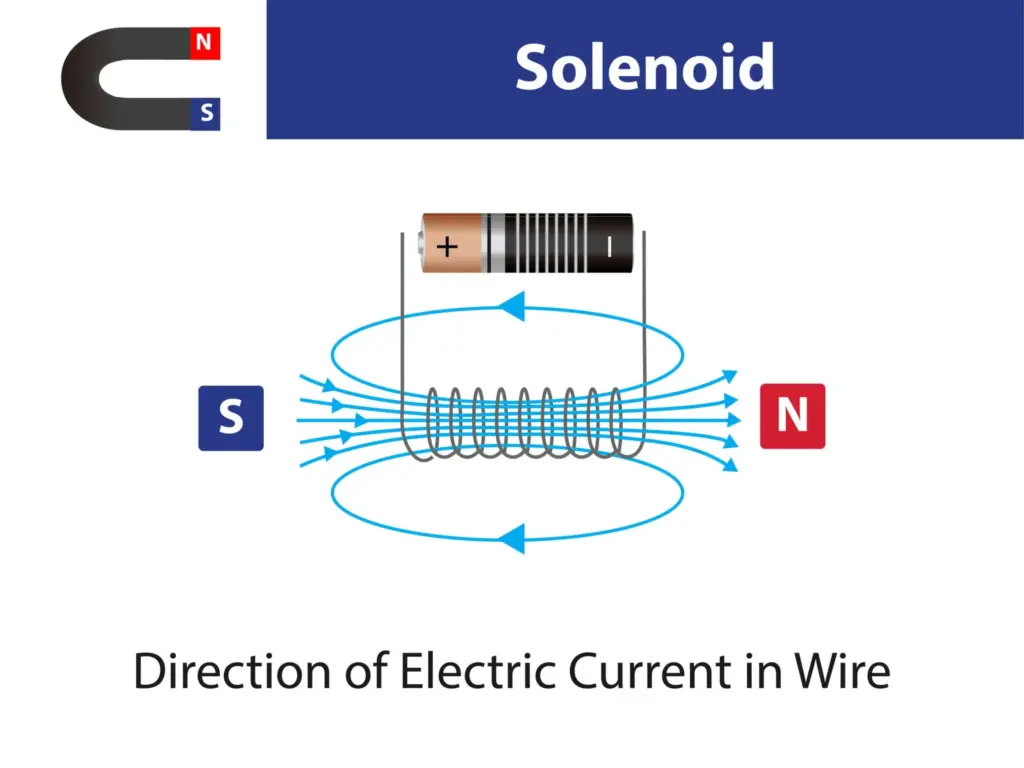
At the heart of most guitars that rely on amplification is the magnetic pickup. This component is engineered to transform mechanical vibrations into electrical output through electromagnetic induction. When a metal string vibrates within a magnetic field, it disturbs the field and induces a corresponding voltage in the pickup coil.
Key Components
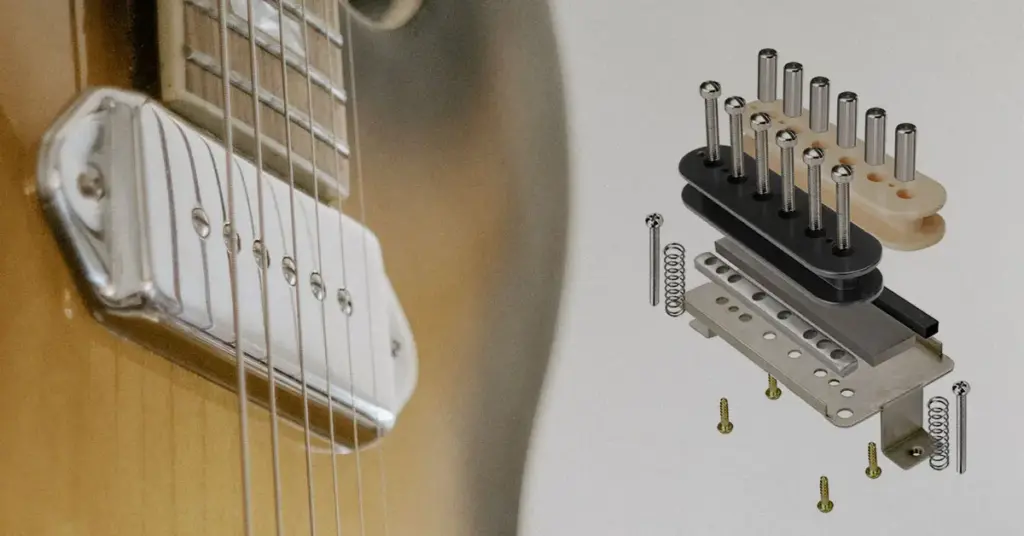
- Permanent magnets: Typically Alnico or ceramic, providing stable magnetic fields.
- Copper wire coils: Thousands of windings that capture induced electrical signals.
- Pole pieces: Metal elements that shape the magnetic field for each string.
This combination enables accurate translation of string movement into an electrical waveform that reflects the nuances of playing style, dynamics, and articulation.
How Electric Guitar Pickups Use Magnets
In electric guitars, the pickup is the primary interface between the instrument and its amplified output. The magnets within the pickup magnetize the steel strings above them. As the strings vibrate, they modulate the magnetic flux, creating a signal that replicates the frequency and intensity of the vibration.
Operational Characteristics
- Single-coil pickups deliver articulate, bright tones but can introduce electromagnetic noise.
- Humbuckers use opposing magnetic orientations to eliminate noise and produce warmer, fuller tones.
- Pickup strength (magnet grade and proximity to strings) influences output level and responsiveness.
The magnetic system is designed to balance clarity, dynamic range, and signal purity.
Magnet Use in Acoustic-Electric Guitars
Acoustic-electric guitars employ a hybrid strategy. While many rely on piezo pickups, a growing segment uses soundhole magnetic pickups to capture a more natural, warm tone. These operate similarly to electric guitar pickups but are optimized for the acoustic body’s resonance characteristics.
Functional Insights
- They detect vibration from steel strings only—nylon strings do not interact with magnetic fields.
- They deliver strong feedback resistance, ideal for stage performance.
- They preserve the acoustic character while adding clarity and projection.
For manufacturers and players focused on amplified acoustic performance, magnetic pickups provide a reliable, low-noise solution with consistent tonal output.
Influence of Magnet Type on Tonal Behavior
Different magnet materials shape sound characteristics in distinct ways, enabling strategic tone engineering.
Common Magnet Types
- Alnico II: Smooth, vintage warmth with softer attack.
- Alnico V: Stronger magnetic pull, tighter response, brighter presence.
- Ceramic: High output, aggressive tonal profile, ideal for modern high-gain applications.
These material choices drive product differentiation and player preference across all levels of performance.
Magnetic Fields, String Pull, and Tone Optimization
Although magnets enable sound generation, they also exert force on the strings. Excessive magnetic pull—particularly from strong magnets placed too close—can reduce sustain and cause tonal anomalies.
Optimization Principles
- Maintain proper pickup height to prevent over-pulling.
- Balance magnet strength with tonal objectives.
- Use multi-pickup configurations to achieve broader sonic flexibility.
Precision in magnet placement directly shapes the user experience and performance quality.
Strategic Implications for Guitar Manufacturers
For businesses developing guitars, pickups, or aftermarket components, magnetic design directly impacts product competitiveness.
Industry-leading differentiation occurs through:
- Enhanced coil engineering
- Advanced magnet materials
- Hybrid pickup systems
- Noise-reduction technology
- Integrated preamps for acoustic-electric platforms
The intersection of magnetic science and guitar craftsmanship continues to redefine tone innovation and market positioning.
Leave a Reply