
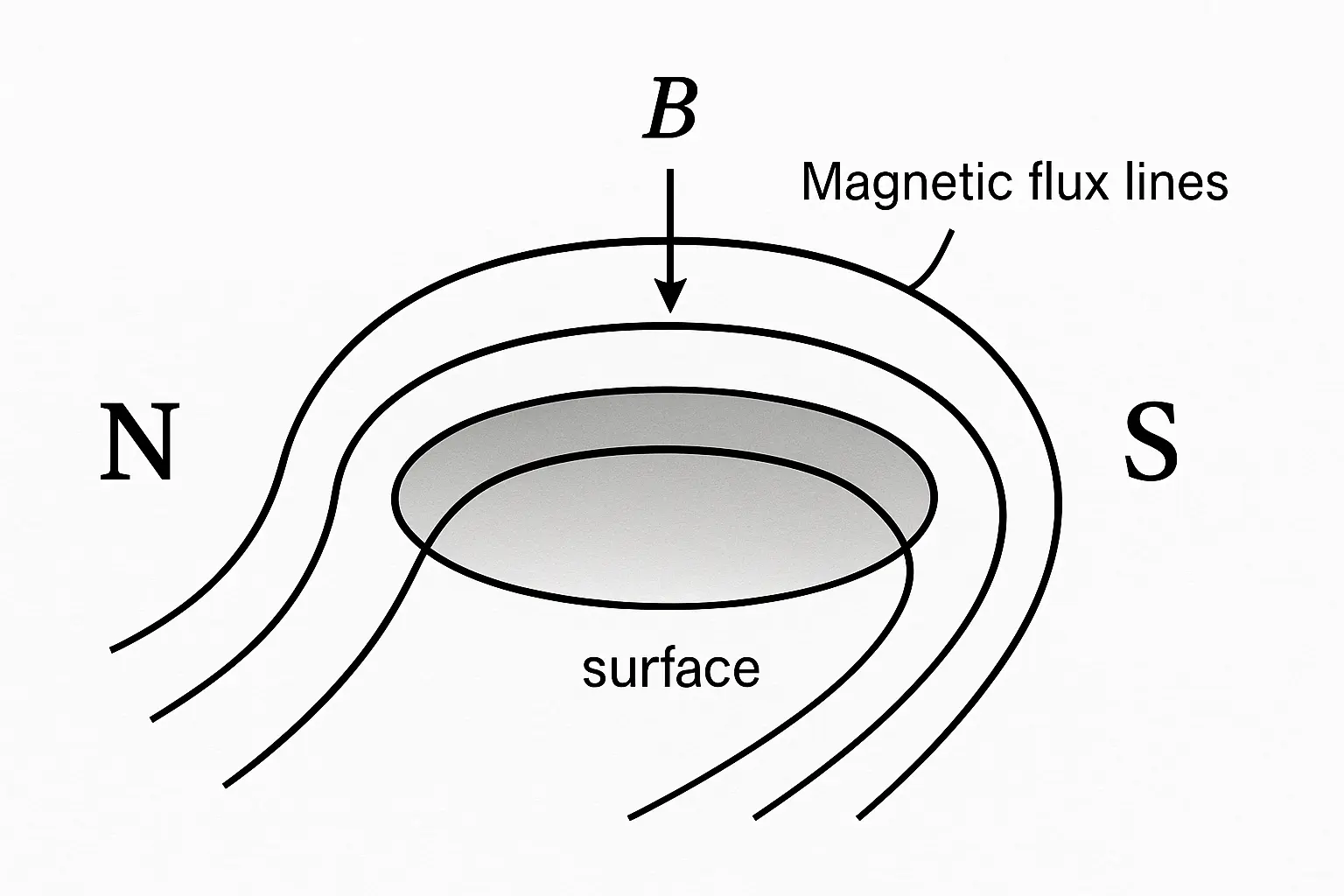
Magnetic flux is a fundamental concept in magnetics, electrical engineering, and industrial applications involving magnetic materials. It provides a measurable way to describe how much magnetic field passes through a given area. For companies working with permanent magnets, motors, transformers, and sensors, understanding magnetic flux is essential for efficient system design and performance optimization.
In simple terms, magnetic flux represents the total magnetic field flowing through a surface. The stronger the magnetic field or the larger the area that field covers, the greater the magnetic flux.
Key Definition of Magnetic Flux
Magnetic flux is denoted by the Greek letter Φ (phi) and measured in Webers (Wb). Technically, it is defined as:
The product of the magnetic flux density (B) and the area (A) it penetrates, considering the angle between them.
Mathematically:
Φ = B × A × cos θ
Where:
- B = Magnetic flux density (Tesla, T)
- A = Area the magnetic field passes through (m²)
- θ = Angle between the field direction and the surface
This formula enables engineers to calculate flux in real components such as electric motors and magnetic assemblies used across energy and automotive sectors.
How Magnetic Flux Relates to Magnetic Fields
Magnetic flux helps quantify the strength and coverage of a magnetic field. When more magnetic field lines pass through a surface, the system exhibits higher flux. If magnetic field lines bypass the surface, flux decreases.
This concept is essential for:
- Magnet design and material selection
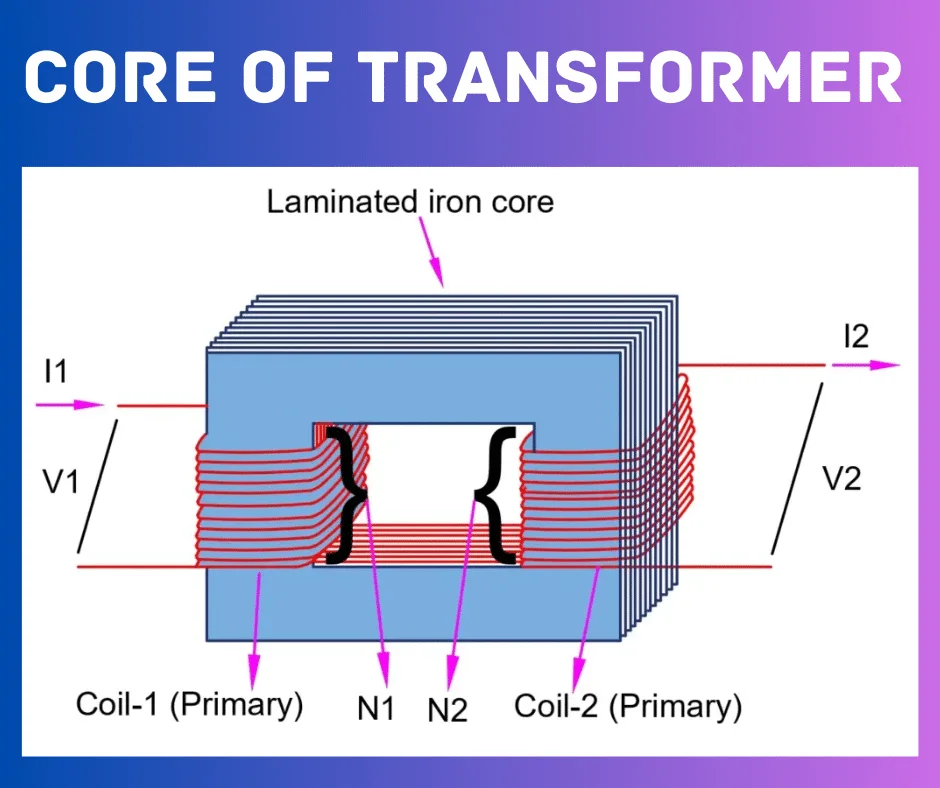
- Core optimization in transformers
- Pickup coils in sensors and generators
- Electromagnetic induction analysis
Flux is a strategic metric in assessing how effectively a system uses magnetic energy.
Magnetic Flux in Permanent Magnets
Permanent magnets such as Neodymium (NdFeB) and Samarium Cobalt (SmCo) generate stable magnetic flux due to aligned electron domains within the material. Industrial designers analyze flux characteristics to:
- Improve lifting capacity
- Increase torque in motors
- Enhance magnetic holding force
- Optimize magnetic circuit geometry
A magnet alone does not guarantee performance — the way flux is directed and concentrated drives application success.
Magnetic Flux in Electromagnetic Induction
One of the most important industrial principles involving flux is Faraday’s Law of Induction:
A changing magnetic flux within a coil generates an electric current.
This is the basis of:
- Generators
- Wireless charging systems
- Inductive sensors
- Electric vehicle drive motors
As global industries move toward electrification, precise flux control becomes a key competitive advantage.
Factors That Influence Magnetic Flux
Magnetic flux can increase or decrease due to several operational conditions:
| Factor | Impact |
|---|---|
| Stronger magnetic field | Increases flux |
| Larger surface area | More field penetration |
| Reduced air gap in magnetic circuit | Higher efficiency |
| Optimal magnet alignment | Improves field direction |
| Temperature and environment | May weaken flux over time |
Engineers consistently measure flux to ensure reliability in mission-critical systems (defense, energy, aerospace).
Why Magnetic Flux Matters to Industrial Users
For B2B sectors relying on precision magnetics, flux analysis drives:
- Higher manufacturing productivity
- Better performance-to-cost ratio
- Safe and predictable system behavior
- Longer operational lifetime
- Compliance with global efficiency standards
From renewable energy to robotics, organizations that leverage magnetic flux insights achieve stronger innovation outcomes.
Leave a Reply