
Blog
-
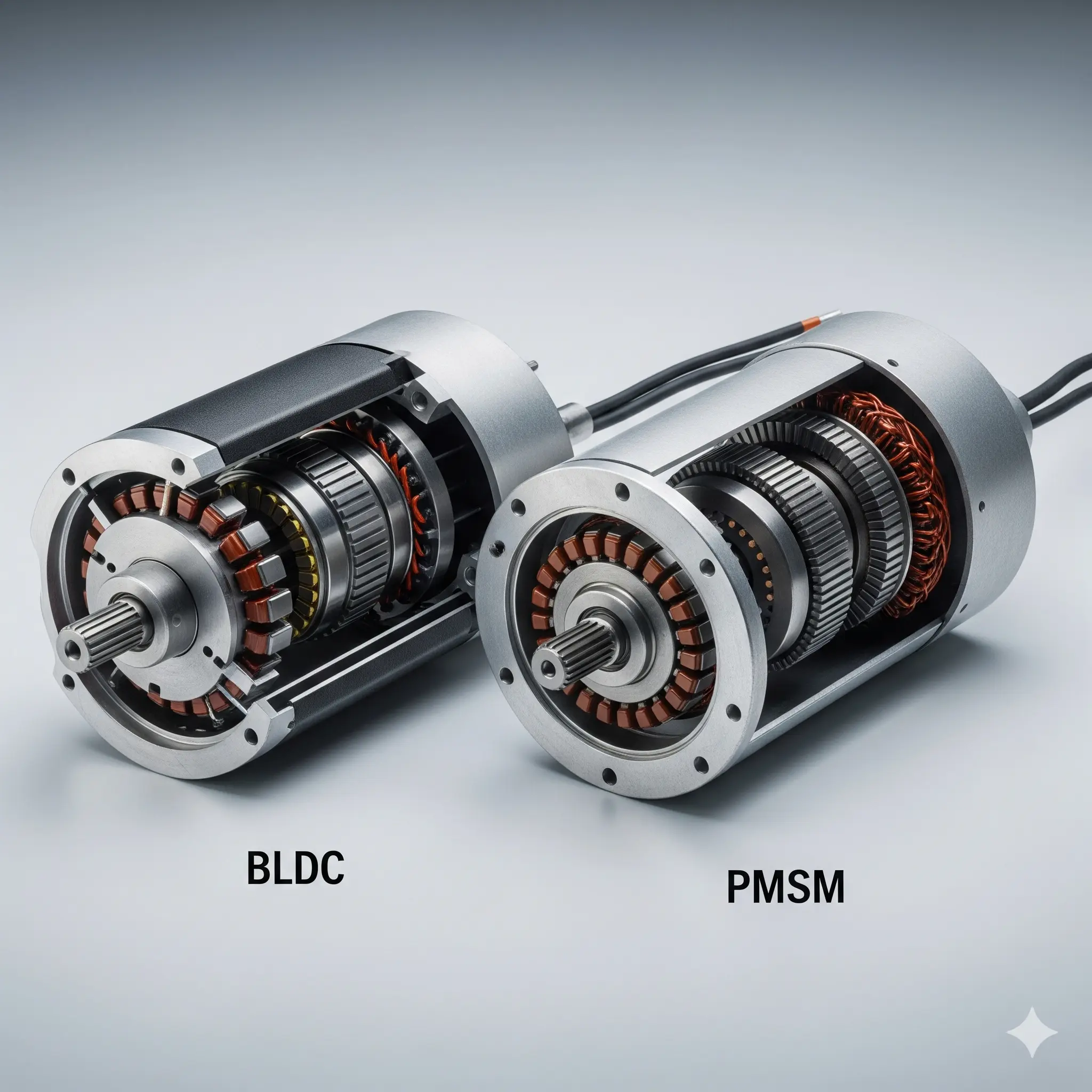
BLDC vs. PMSM Motors: What’s the Real Difference?
Navigating the world of brushless motors can be confusing. While brushless DC (BLDC) and permanent magnet synchronous motors (PMSM) are both brushless, they are not the same. Understanding their key differences is crucial for selecting the right motor for your…
-
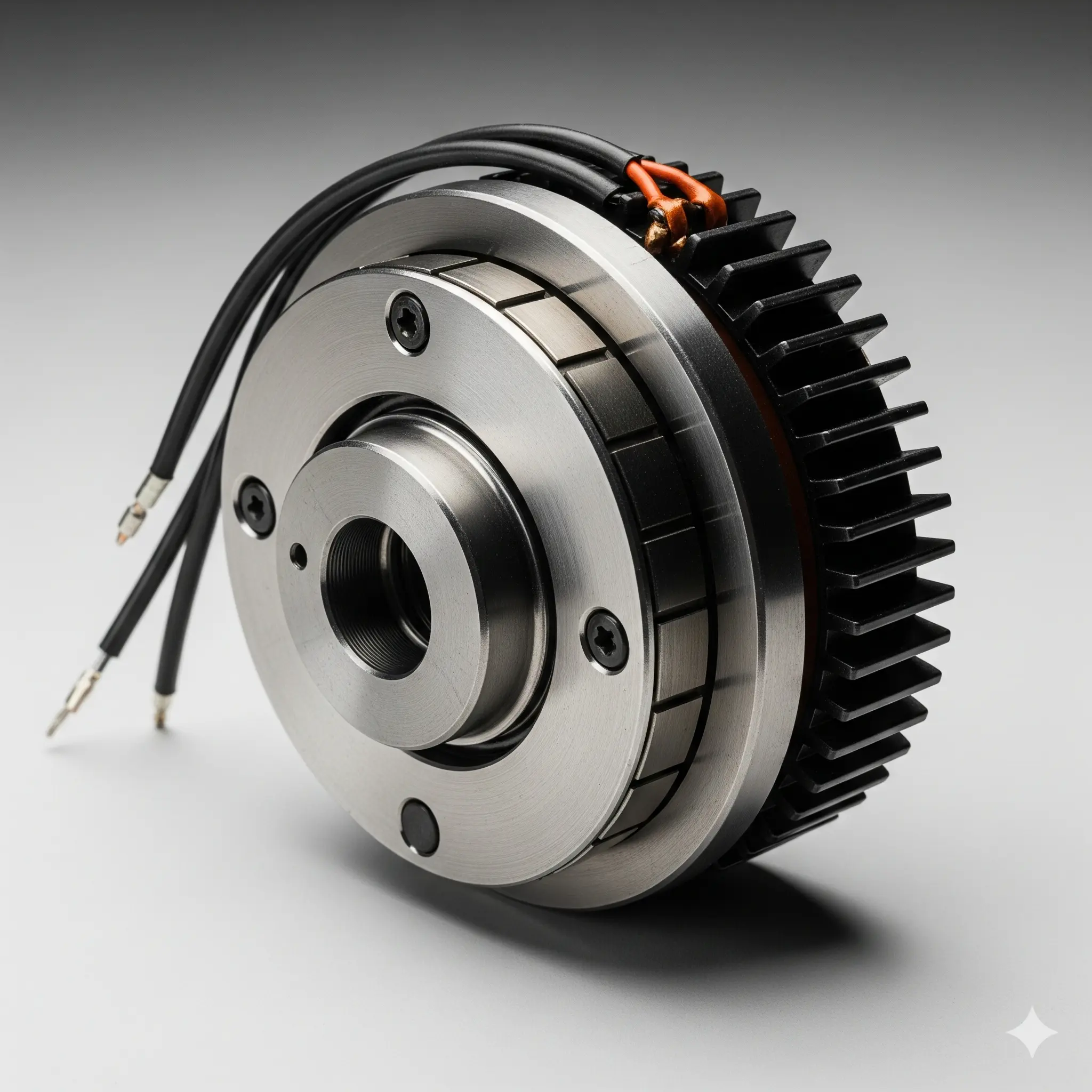
How Magnetic Brakes and Clutches Work: A Guide to Hysteresis and Eddy Current Technology
Magnetic brakes and clutches are essential components in industrial systems, providing precise and reliable torque control. Unlike traditional friction-based systems, they operate without mechanical contact, offering exceptional durability and clean, maintenance-free operation. So, how do they work? Let’s explore the…
-
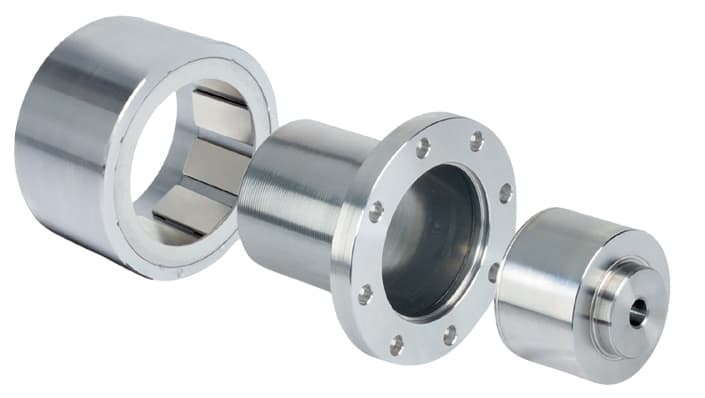
Principle and Design of Magnetic Coupling Torque Transmission
A magnetic coupling primarily consists of two core components: an outer rotor and an inner rotor. This non-contact design allows torque to be transmitted across the isolation barrier without physical connection.
-
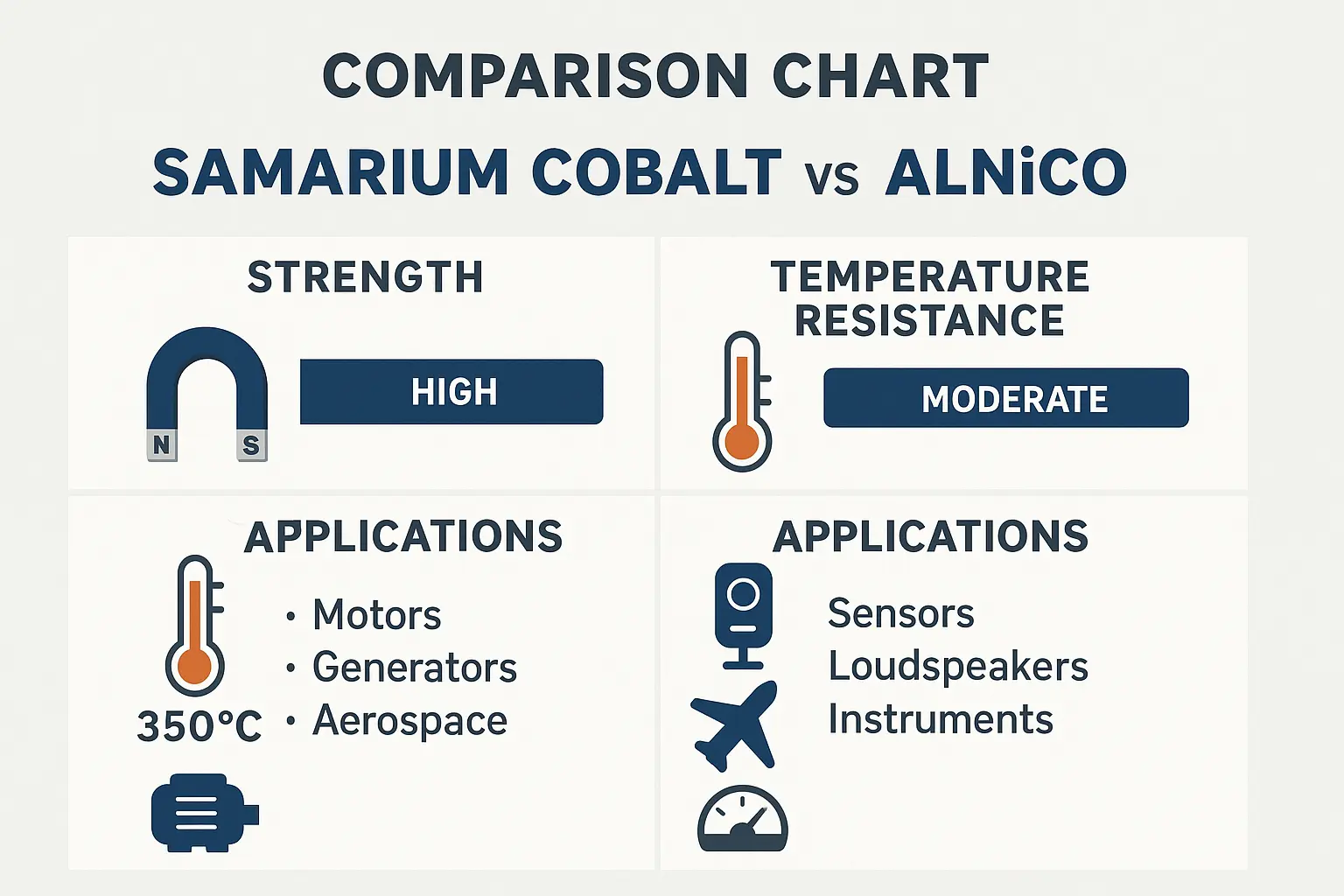
Difference Between Samarium Cobalt and AlNiCo Magnets
Samarium Cobalt (SmCo) and AlNiCo are both high-temperature permanent magnets widely used in industrial applications. While they share certain similarities, their differences in magnetic strength, cost, mechanical performance, and application suitability determine which material is more appropriate for specific use…
-
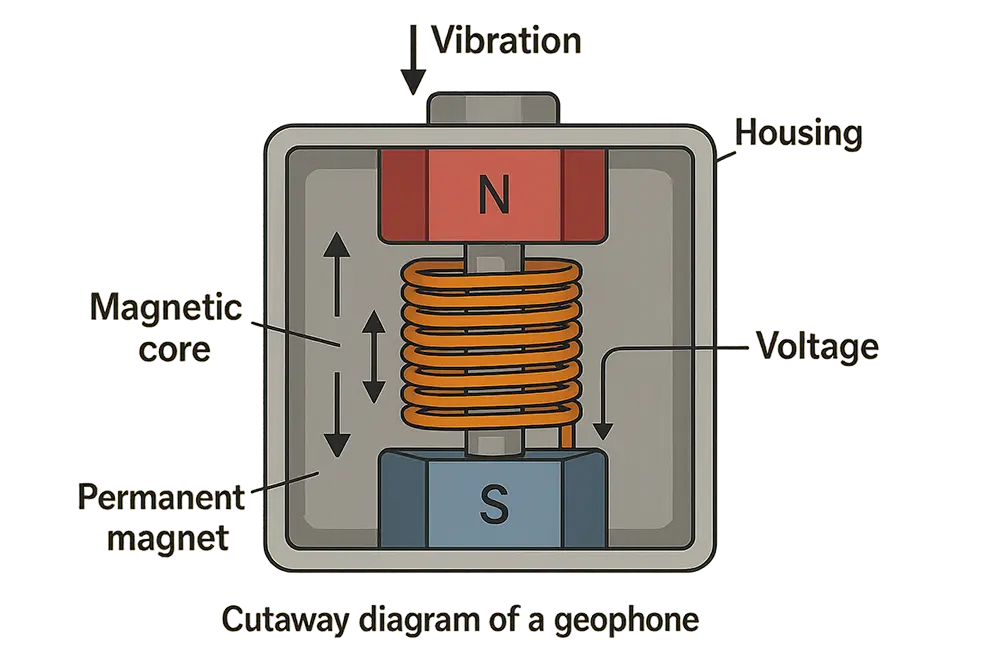
Geophone Magnet Principle: Types, Frequency Response, and Magnet Selection
A geophone is a highly sensitive ground motion transducer that converts ground vibrations into electrical signals. The core components include: This induced signal is called the seismic response, which seismologists and geophysicists analyze to study subsurface structures.
-
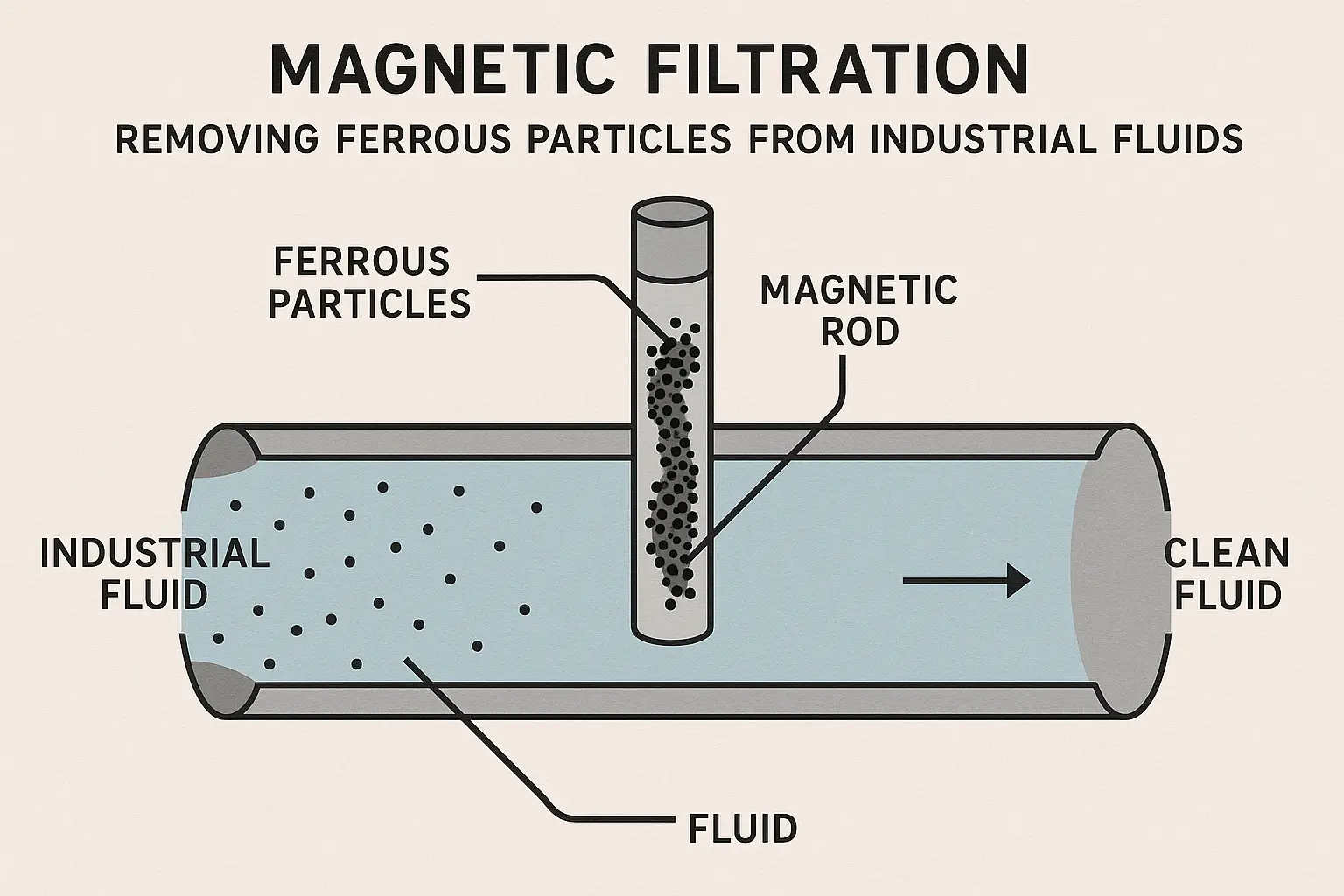
How Does Magnetic Filtration Work? An Industrial Guide
Magnetic filtration, also known as magnetic separation, is a process designed to remove ferrous contaminants from liquids, coolants, and slurries. The fluid flows around a high-intensity magnetic core or rod, and ferrous particles are drawn out of the stream and…
-
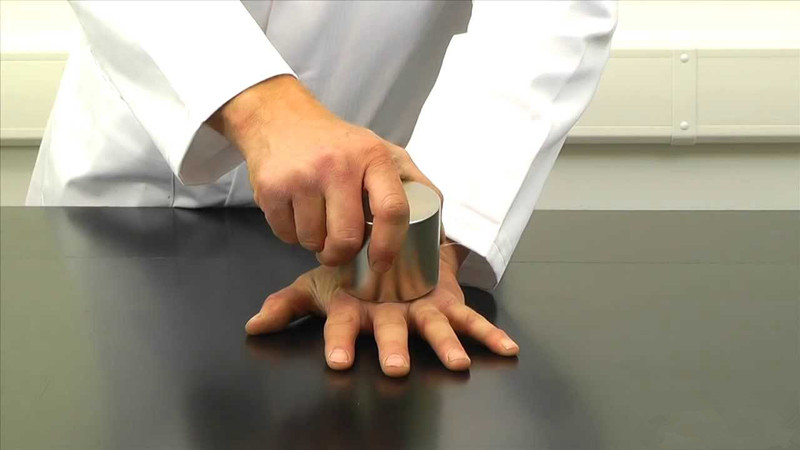
How Strong Are Neodymium Magnets? An Industrial Perspective
Neodymium magnets (NdFeB) are the strongest type of permanent magnets available today, often referred to as the “King of Magnets.” Compared with ferrite or Alnico magnets, NdFeB magnets deliver unmatched magnetic performance, which makes them indispensable in industries such as…
-
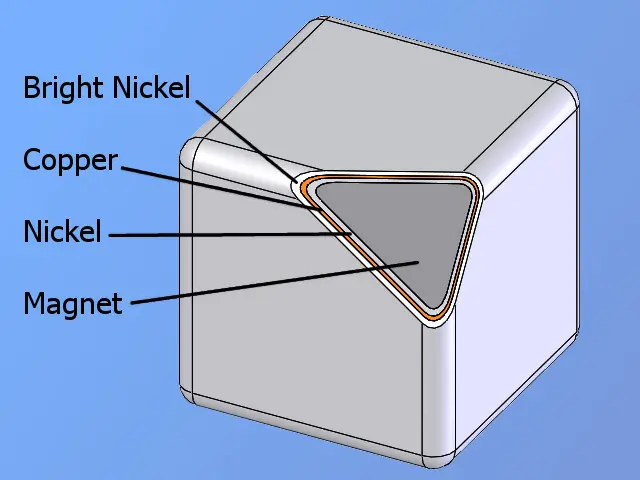
Corrosion Resistance of Permanent Magnets: A Guide for Industrial Applications
Permanent magnets are the backbone of modern industries, from medical imaging to renewable energy. However, their performance is not defined solely by magnetic strength—corrosion resistance is equally critical. Iron, the key element behind strong ferromagnetic properties, is also highly reactive…
-
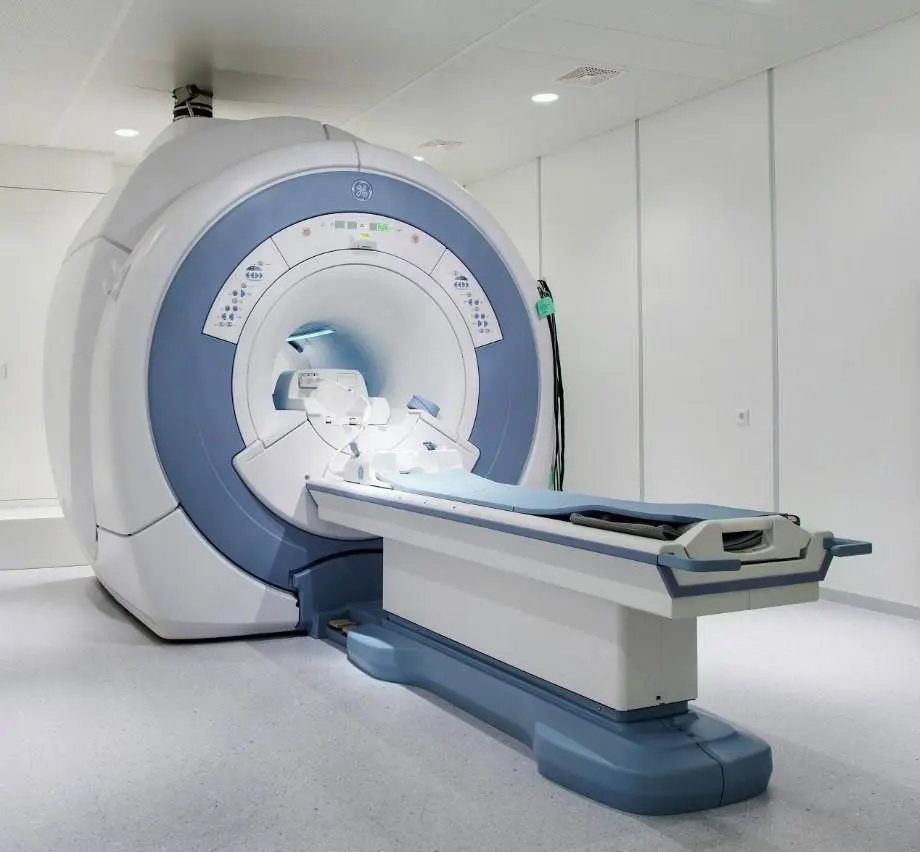
Application of Neodymium Magnet in Healthcare Field
Neodymium magnets, also known as NdFeB magnets, are the most powerful type of permanent magnet available today. Their exceptional strength and ability to generate stable magnetic fields have led to widespread applications in healthcare and medical devices. From diagnostic imaging…
-
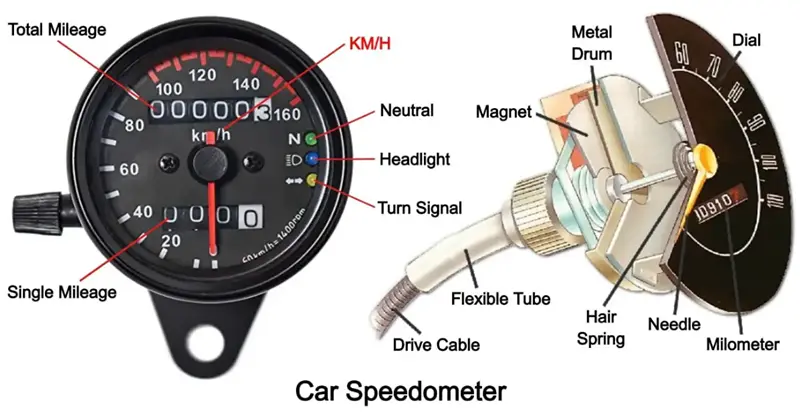
Application principle of magnet in speedometer
The speedometer, or speed meter, is an instrument used to measure and display the instantaneous speed of a vehicle. It was first introduced in the early 1900s as an optional device and became standard equipment around 1910. Today, speedometers are…
Lastest Posts
- Permanent Magnets in Robotics: Precision Motion Control Applications
- How Magnetic Sensors Improve Manufacturing Accuracy and Reliability
- Sintered vs Bonded NdFeB Magnets: Engineering Trade-Offs Explained
- Understanding BH Curves: A Practical Guide for Engineers
- Rare Earth Permanent Magnet Supply & Cost Analysis
New Comments
We are currently developing a project that uses a motorized conveyor idler equipped with a small PMSM motor. The objective…
Danke für den Hinweis. Ich habe die Dichtung des Kühlschranks mit einer Büroklammer getestet. Sie ist durchgängig schwach magnetisch- allerdings…
After reading the explanations of magnetism I am left wanting…These sound more like Hypothesis…aka A guess
とても簡単で教えてくれてありがとうございます。今からもお願いします。
It is actually a great and useful piece of info. I am glad that you simply shared this useful information…