
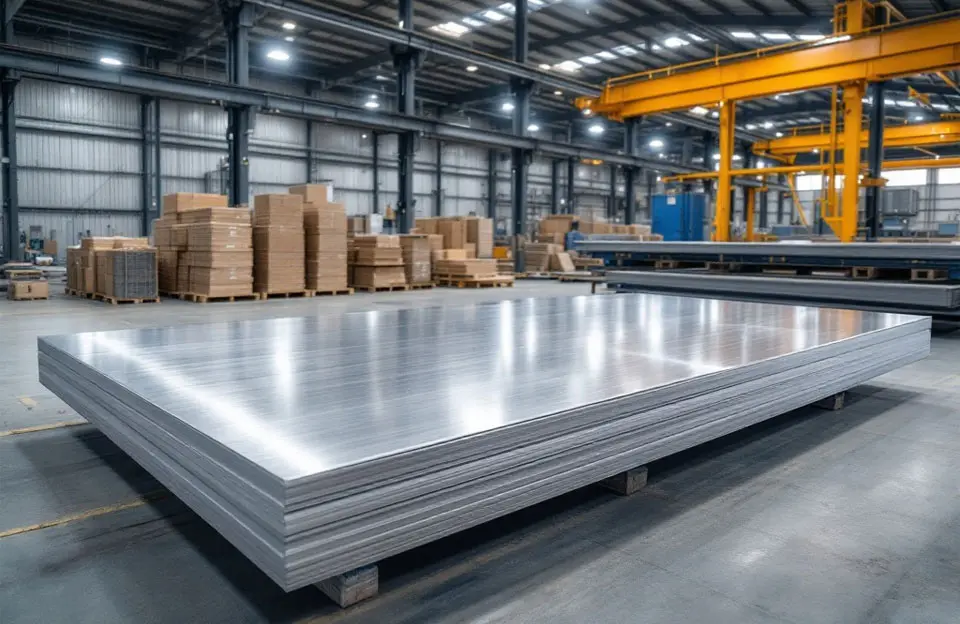
In the field of magnetic materials and industrial applications, aluminium often raises an interesting question: is aluminium magnetic? While aluminium is a metal with a wide range of uses — from aerospace engineering to consumer electronics — it does not behave like iron or nickel in a magnetic field. To understand why, let’s take a closer look at its properties and behavior in magnetic environments.
Understanding Magnetic Properties
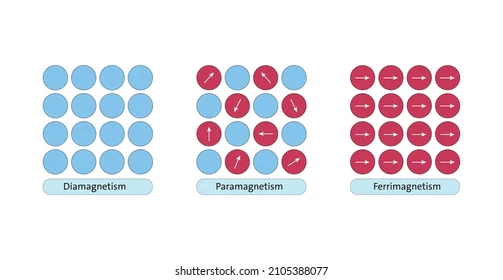
Materials are classified by how they respond to magnetic fields. Broadly, they fall into three categories:
- Ferromagnetic materials: Strongly attracted to magnets (e.g., iron, cobalt, nickel).
- Paramagnetic materials: Weakly attracted to magnets and only in the presence of a magnetic field.
- Diamagnetic materials: Weakly repelled by a magnetic field.
Aluminium belongs to the paramagnetic group.
Why Aluminium Is Not Magnetic
At the atomic level, magnetism arises from unpaired electrons. In ferromagnetic materials, these unpaired electrons align easily, creating a strong magnetic field. In contrast, aluminium’s electron structure doesn’t allow for this kind of alignment. As a result, its attraction to magnets is extremely weak — so weak that it is often considered non-magnetic in practical terms.
The Role of Aluminium in Magnetic Fields
Even though aluminium itself isn’t magnetic, it interacts with magnetic fields in interesting ways. When aluminium moves through a magnetic field, eddy currents are generated within it. These currents create an opposing magnetic field, resulting in a noticeable effect called magnetic damping. This principle is widely used in applications such as:
- Magnetic braking systems
- Induction heating
- Eddy current separators in recycling and metal sorting industries
These use cases demonstrate that while aluminium doesn’t attract magnets, it still plays a crucial role in magnetic and electromagnetic technologies.
Aluminium’s Advantages in Magnetic Applications
The non-magnetic nature of aluminium can actually be beneficial. Its lightweight, corrosion resistance, and ability to conduct electricity make it ideal for environments where magnetism could cause interference or damage. For example:
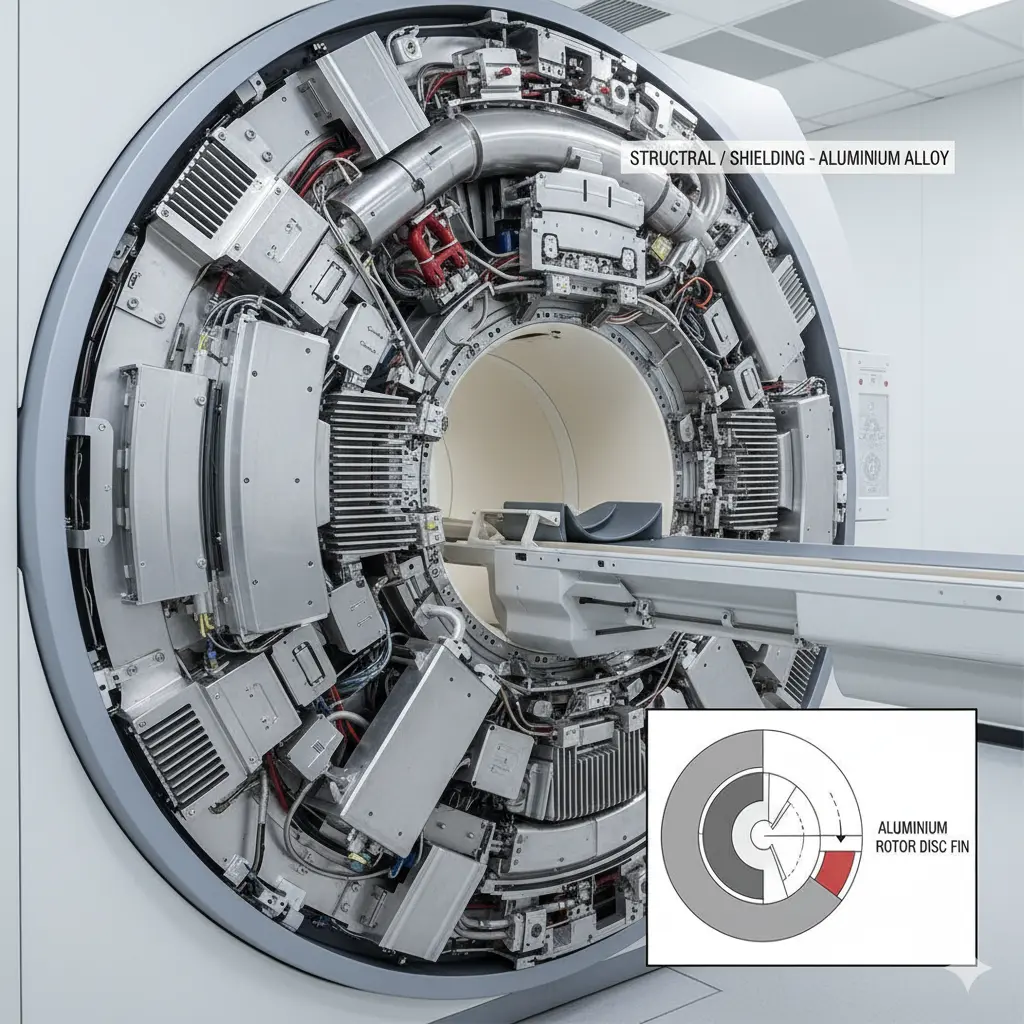
- MRI machines use non-magnetic aluminium components to prevent distortion.
- Electronic housings often rely on aluminium to reduce magnetic disturbance.
- Aerospace and defense systems incorporate aluminium for its strength-to-weight ratio and magnetic neutrality.
Conclusion
To answer the question — no, aluminium is not a magnetic material. However, its interaction with magnetic fields and its valuable physical properties make it indispensable in many magnetic and non-magnetic systems. In industries where precision, lightweight design, and non-magnetic performance are essential, aluminium continues to be a material of choice.
For high-performance magnetic materials, components, and expert technical support, visit HSMAGNET — your trusted partner in advanced magnet solutions.
Leave a Reply