
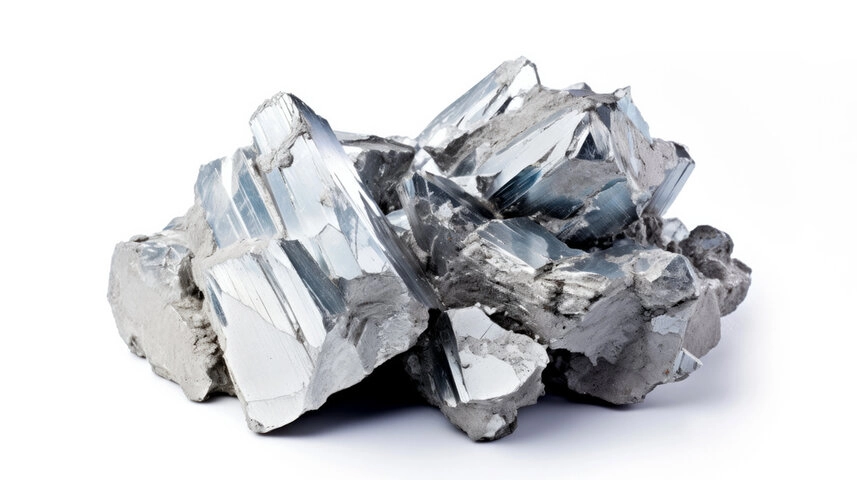
In industrial and scientific contexts, understanding whether a metal is magnetic is crucial for choosing the right materials for specific applications. One such metal that often raises curiosity is zinc. While zinc is widely used in galvanization, die casting, and alloys, many wonder: is zinc magnetic? The answer lies in its atomic structure and how it interacts with magnetic fields.
Understanding Zinc’s Magnetic Behavior
Zinc is classified as a diamagnetic material — meaning it is not magnetic in the conventional sense. Diamagnetic materials are slightly repelled by a magnetic field rather than attracted to it. This property makes zinc the opposite of ferromagnetic metals such as iron, cobalt, and nickel.
The underlying reason lies in zinc’s electron configuration. Zinc atoms have fully paired electrons, leaving no unpaired spins to align with an external magnetic field. As a result, it exhibits only a very weak and negative magnetic response.
Zinc vs. Other Magnetic Materials
To put zinc’s magnetic characteristics in perspective, it’s helpful to compare it with other types of materials:
| Material Type | Example Metals | Magnetic Behavior |
|---|---|---|
| Ferromagnetic | Iron, Nickel, Cobalt | Strongly attracted to magnets |
| Paramagnetic | Aluminium, Magnesium | Weakly attracted to magnets |
| Diamagnetic | Zinc, Copper, Bismuth | Weakly repelled by magnets |
As the table shows, zinc belongs firmly in the diamagnetic group, meaning it does not retain magnetism and shows no attraction toward magnetic fields.
Industrial Implications of Zinc’s Non-Magnetic Nature
Zinc’s non-magnetic property is advantageous in many engineering and manufacturing contexts. For example:
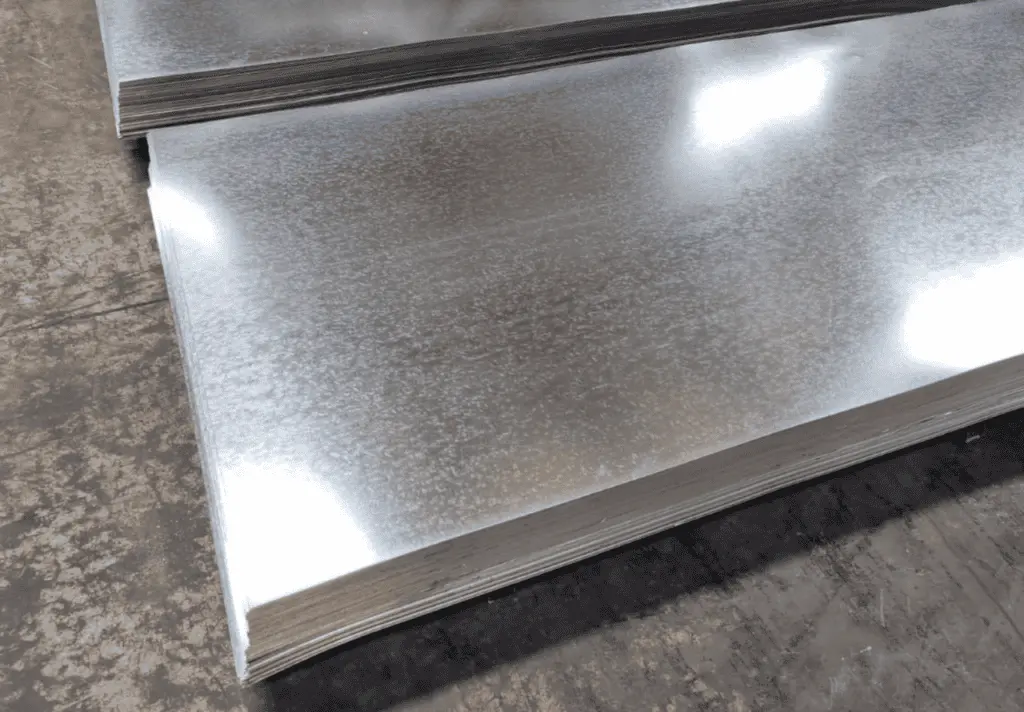
- Galvanization: Zinc coatings protect steel and iron from corrosion without affecting their magnetic performance.
- Die Casting: Zinc alloys are ideal for precision components where non-magnetic behavior is required.
- Electronics: Zinc-based materials can be used in electronic housings to avoid electromagnetic interference (EMI).
Because zinc doesn’t interfere with magnetic fields, it is a preferred choice for components in sensitive environments.
Applications Where Zinc and Magnetism Intersect
Although zinc itself is non-magnetic, it plays a vital role in magnetic systems as a protective or structural material. For instance, galvanizing steel with zinc creates a magnetic metal surface that is resistant to corrosion — a combination that’s widely used in construction, automotive, and energy industries.
Additionally, zinc is often used in alloys with magnetic or paramagnetic metals to improve mechanical strength and corrosion resistance while maintaining stable magnetic properties.
Conclusion
To summarize: zinc is not magnetic. As a diamagnetic metal, it is weakly repelled by magnetic fields and does not retain any magnetism. However, its ability to protect and complement magnetic materials makes it indispensable in modern industry.
For precision-engineered magnetic materials and solutions tailored to your industrial needs, explore HSMAGNET — your trusted partner in magnetic innovation.
Leave a Reply