

Electromagnets are foundational to modern technology. Their ability to generate controlled magnetic fields allows them to power countless systems that drive convenience, efficiency, and safety in daily life. While most people never see these components directly, electromagnets operate behind the scenes to enable the devices and infrastructure we rely on every day.
This article outlines the practical applications of electromagnets, demonstrating how they support consumer products, industrial equipment, transportation, healthcare, and digital communication.
What Makes Electromagnets So Useful?
Electromagnets are unique because their magnetic strength is controllable and temporary. When electric current flows through a coil of wire wrapped around a metal core, it produces a magnetic field that can be switched on, strengthened, weakened, or turned off entirely.
This flexibility makes electromagnets an essential asset for systems that require precision, automation, and dynamic power management.
Electromagnets in Household Appliances
Electromagnets power many core functions in home devices:
Electric Motors
Nearly all rotating appliances rely on electromagnets:
- Washing machines
- Refrigerators
- Air conditioners
- Vacuum cleaners
- Electric fans
The electromagnetic motor converts electrical energy into mechanical motion, enabling efficient and durable performance.
Door Locks and Latches

Electromagnetic locks are common in:
- Smart home security systems
- Apartment building entry systems
- Commercial access control solutions
The lock engages when a current passes through the magnet, providing secure and reliable operation.
Speakers and Headphones
Inside every speaker system is an electromagnet working with a permanent magnet to vibrate the speaker cone and produce sound. This technology powers:
- TVs
- Smartphones
- Bluetooth speakers
- Home theater systems
Electromagnets in Consumer Electronics
Digital communication relies heavily on electromagnets for data transfer and motion control.
Hard Drives and Data Storage
Older HDDs use electromagnets to position the read/write head with extreme accuracy. Even in modern systems, electromagnetic principles underpin memory architecture.
Relays and Switches
Power supplies, chargers, and circuit boards use electromagnetic relays to open and close electrical circuits automatically.
Microphone Technology
Electromagnetic induction converts sound waves into electrical signals, enabling audio capture for:
- Phones
- Laptops
- Recording equipment
- Smart home devices
Electromagnets in Transportation
Transportation systems depend on electromagnets for safety and performance.
Electric Vehicles
EV motors use high-precision electromagnets to generate efficient rotational force. These motors support:
- Smooth acceleration
- Reduced energy loss
- High torque output
Railway Systems
Electromagnets are used in:
- Maglev trains that float on magnetic tracks
- Railway braking systems
- Automated switching and signaling equipment
Automotive Sensors
Electromagnetic components power:
- ABS sensors
- Fuel injectors
- Electric power steering
- Alternators
Electromagnets in Healthcare
Advanced medical equipment depends on strong, precisely controlled electromagnetic fields.
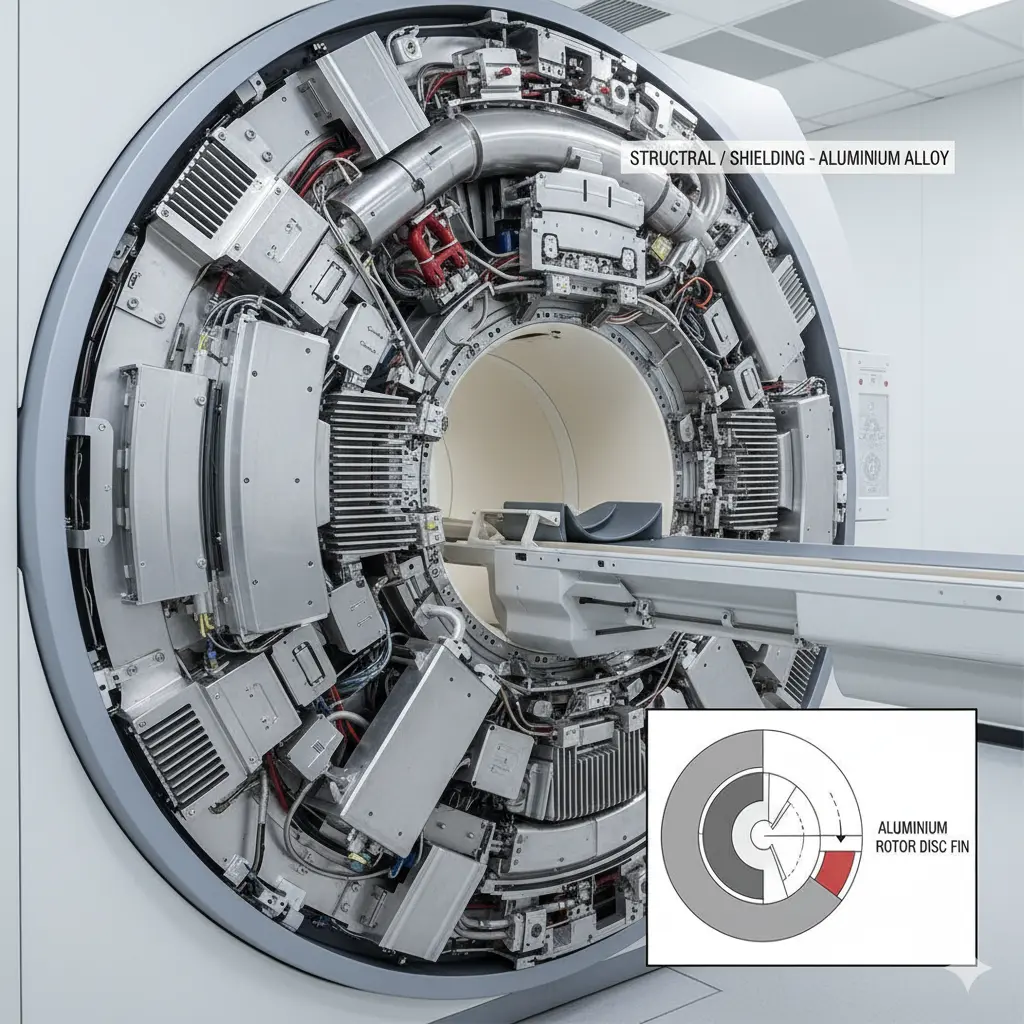
MRI Machines
Magnetic Resonance Imaging relies on high-power electromagnets to align particles in the human body and produce detailed diagnostic images.
Hospital Beds and Lifts
Electromechanical systems help healthcare workers adjust and maneuver patient equipment safely.
Medical Pumps and Valves
Electromagnetic actuators ensure consistent operation in infusion devices and monitoring equipment.
Electromagnets in Industry and Infrastructure
Beyond household and personal use, electromagnets drive critical industrial operations.
Magnetic Lifting Equipment
Scrap yards, factories, and logistics centers use electromagnets to lift, sort, and move heavy steel materials safely.
Automated Assembly Lines
Robotic arms equipped with electromagnetic grippers handle precision tasks with controllable magnet strength.
Power Grid Transformers
Electromagnetic transformers step voltage up or down, enabling stable electrical distribution.
Why Electromagnets Matter in Modern Life
Electromagnets provide:
- Control over magnetic strength
- Efficiency through reduced mechanical complexity
- Reliability across high-demand applications
- Versatility for both micro-scale electronics and industrial machinery
This combination makes electromagnets one of the most widely used technologies in modern engineering.
Conclusion
Electromagnets operate silently within the technologies we use every day, supporting everything from home appliances to global transportation systems. Their controllable magnetic fields enable automation, precision, and performance across a wide range of applications. As industries move toward greater electrification and smarter infrastructure, electromagnets will continue to play an essential role in shaping the future of modern life.
If you need electromagnetic components or custom magnetic assemblies for advanced applications, HSMAGNET provides engineered solutions designed for precision, reliability, and long-term operational excellence.
Leave a Reply