

Modern headphone systems rely on electromagnetism as their core operating mechanism. Whether used in consumer audio, professional monitoring, or industrial communication devices, electromagnets convert electrical signals into precise mechanical vibration that ultimately produces sound. For engineering teams and procurement specialists, understanding this mechanism is essential because magnetic components directly influence acoustic quality, energy efficiency, and long-term product reliability.
The Structure of a Headphone Driver
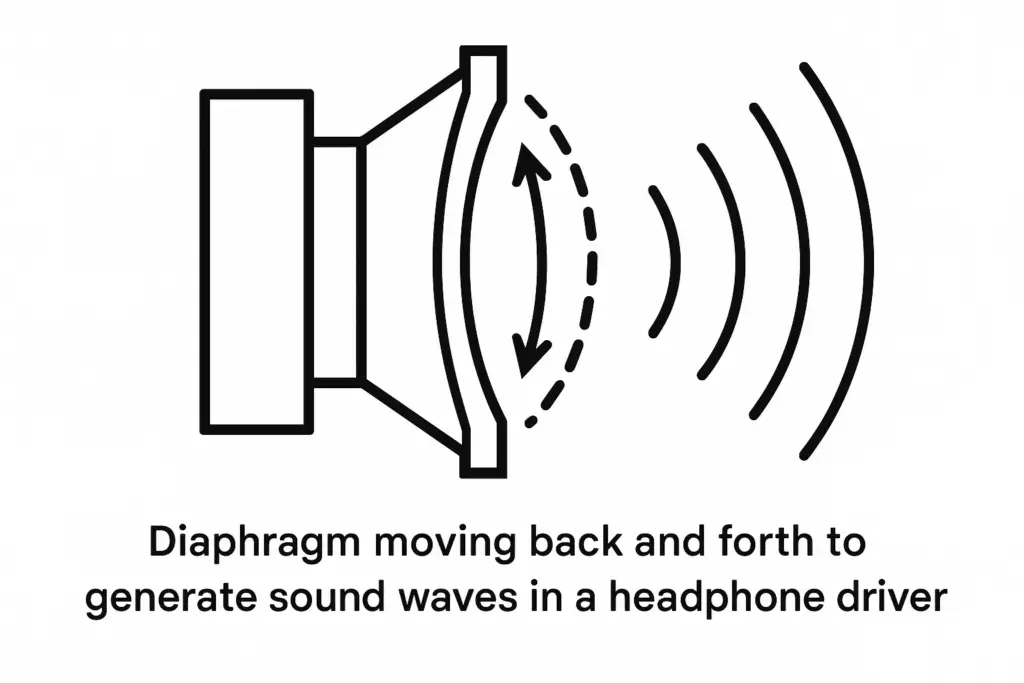
At the center of every headphone is the driver unit, a highly engineered assembly that controls sound production. A typical driver includes three key elements:
- A permanent magnet, often neodymium for its high magnetic strength
- A voice coil, which acts as the electromagnet
- A diaphragm, the membrane that vibrates to create sound waves
This configuration forms a dynamic magnetic system in which electrical energy is transformed into air vibration. The strength and consistency of this system determine the clarity, accuracy, and tonal performance of the headphone.

How the Voice Coil Functions as an Electromagnet
The voice coil is made of thin copper or aluminum wire wound into a lightweight cylinder. When electrical audio signals pass through the coil, it becomes an electromagnet with rapidly shifting polarity. These shifts correspond directly to the frequency and amplitude of the audio signal.
The permanent magnet surrounding the voice coil creates a stable magnetic field. As the current in the coil fluctuates, the coil moves forward and backward within this field. Because the diaphragm is attached to the voice coil, every movement produces air pressure waves that the listener perceives as sound. This electromagnetic interaction is the reason headphones can reproduce complex audio with precision.
The Role of Permanent Magnets in Sound Accuracy
While the voice coil generates motion, the permanent magnet defines the operating environment. Neodymium magnets are preferred due to their ability to produce a powerful magnetic field at a low mass. This supports:
- Higher driver sensitivity
- Reduced power consumption
- A more accurate frequency response
- Stable performance over long operating periods
For professional and industrial audio solutions, magnet quality is a key determinant of whether a device can maintain consistent output under heavy usage.
Why Electromagnets Enable High-Fidelity Audio
Electromagnets offer unique advantages that enable headphones to achieve detailed and accurate sound reproduction:
- Instant dynamic response: The coil reacts immediately to electrical input changes.
- High-resolution sound: The diaphragm follows precise electromagnetic motion, enabling clean reproduction of digital audio.
- Versatile design scalability: The technology supports in-ear monitors, studio headsets, and heavy-duty industrial models.
- Material optimization: Manufacturers can adjust coil materials, diaphragm types, and magnet grades to achieve targeted performance metrics.
As material science advances, these systems continue to deliver improved clarity, lower distortion, and enhanced spatial audio capability.
Future Developments in Electromagnetic Headphone Technology
The audio industry is moving toward next-generation driver architectures that optimize weight, efficiency, and signal accuracy. Innovations include lighter coil materials, hybrid magnetic structures, and AI-assisted acoustic modeling. These developments will elevate performance standards across consumer, professional, and industrial audio categories.
Leave a Reply