

Rare earth magnets are a strategic class of permanent magnets known for their exceptionally high magnetic strength relative to size. In an industrial context, they are not niche materials—they are core enablers across manufacturing, energy, electronics, and advanced engineering sectors. As global industries pursue higher efficiency, miniaturization, and electrification, rare earth magnets have become mission-critical components in modern supply chains.
What Are Rare Earth Magnets?
Rare earth magnets are produced using alloys that contain rare earth elements, primarily:
- Neodymium Iron Boron (NdFeB) – the strongest commercially available permanent magnet
- Samarium Cobalt (SmCo) – optimized for high-temperature and corrosion-resistant environments
Despite the name, “rare earth” refers to the group of elements rather than their actual scarcity. Their value lies in their unique atomic structures, which deliver high magnetic energy density and long-term performance stability.
Core Industrial Applications of Rare Earth Magnets
Electric Motors and Generators
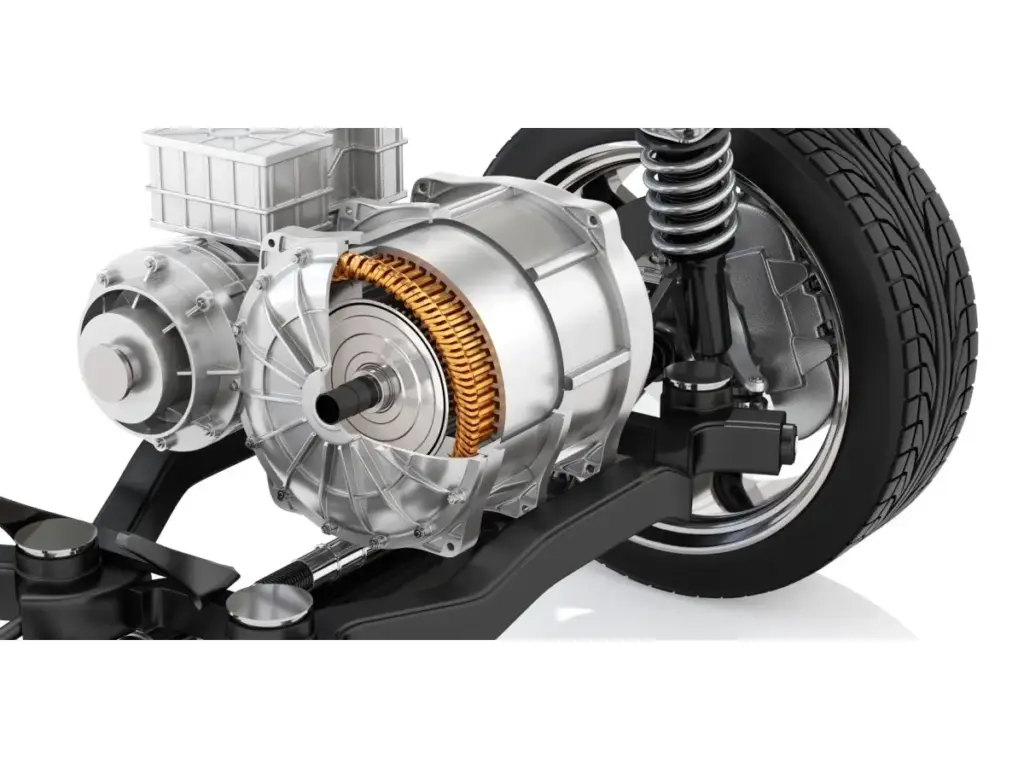
Rare earth magnets are foundational to high-efficiency electric motors and generators. Their strong magnetic fields enable:
- Higher power output with smaller motor size
- Improved energy efficiency and torque density
- Reduced weight, critical for mobile and high-speed systems
Key industries:
Electric vehicles (EVs), wind turbines, industrial automation, robotics, HVAC systems
From a strategic perspective, electrification trends directly correlate with rising demand for NdFeB magnets.
Consumer Electronics and Smart Devices
Modern electronics rely on compact yet powerful magnetic components. Rare earth magnets support:
- Miniaturized speakers and microphones
- Vibration motors and haptic feedback systems
- Precision alignment in cameras and sensors
Typical products:
Smartphones, laptops, tablets, wireless earbuds, wearables
Their small footprint allows product designers to maximize functionality without increasing device size.
Renewable Energy and Power Infrastructure
In renewable energy systems, rare earth magnets play a decisive role in performance optimization:
- Direct-drive wind turbines use NdFeB magnets to eliminate gearboxes
- Improved reliability and reduced maintenance costs
- Higher energy conversion efficiency in variable-speed environments
As governments and enterprises invest in decarbonization, rare earth magnets are increasingly viewed as infrastructure-critical materials.
Medical and Healthcare Equipment
Precision, reliability, and stability are non-negotiable in healthcare. Rare earth magnets are widely used in:
- MRI systems (auxiliary magnetic components)
- Medical pumps and actuators
- Diagnostic and laboratory automation equipment
Their predictable magnetic behavior supports consistent performance in regulated environments.
Automotive and Transportation Systems
Beyond electric drivetrains, rare earth magnets are integrated throughout modern vehicles:
- Power steering systems
- ABS and sensor systems
- Electric braking and suspension components
For OEMs, these magnets contribute directly to safety, efficiency, and vehicle intelligence—key competitive differentiators in the automotive market.
Aerospace, Defense, and High-Reliability Systems
In high-risk and mission-critical applications, SmCo magnets are often selected due to their thermal stability and corrosion resistance.
Applications include:
Aerospace actuators, satellite systems, radar equipment, precision navigation devices
In these sectors, material traceability, compliance, and performance under extreme conditions are strategic procurement considerations.

Why Rare Earth Magnets Matter Strategically
From an enterprise perspective, rare earth magnets are not interchangeable commodities. They influence:
- Product performance benchmarks
- Energy efficiency compliance
- Supply chain risk exposure
- Regulatory and export-control considerations
As global policies tighten around rare earth materials, forward-looking companies are prioritizing supplier qualification, material transparency, and alternative magnet grades to maintain operational resilience.
Conclusion
Rare earth magnets underpin many of the technologies shaping the modern economy—from clean energy and smart electronics to advanced manufacturing and transportation. Their role is expanding, not shrinking.
For businesses, understanding how and where rare earth magnets are used is no longer just a technical matter—it is a strategic necessity tied to innovation, cost control, and long-term competitiveness.
Leave a Reply