
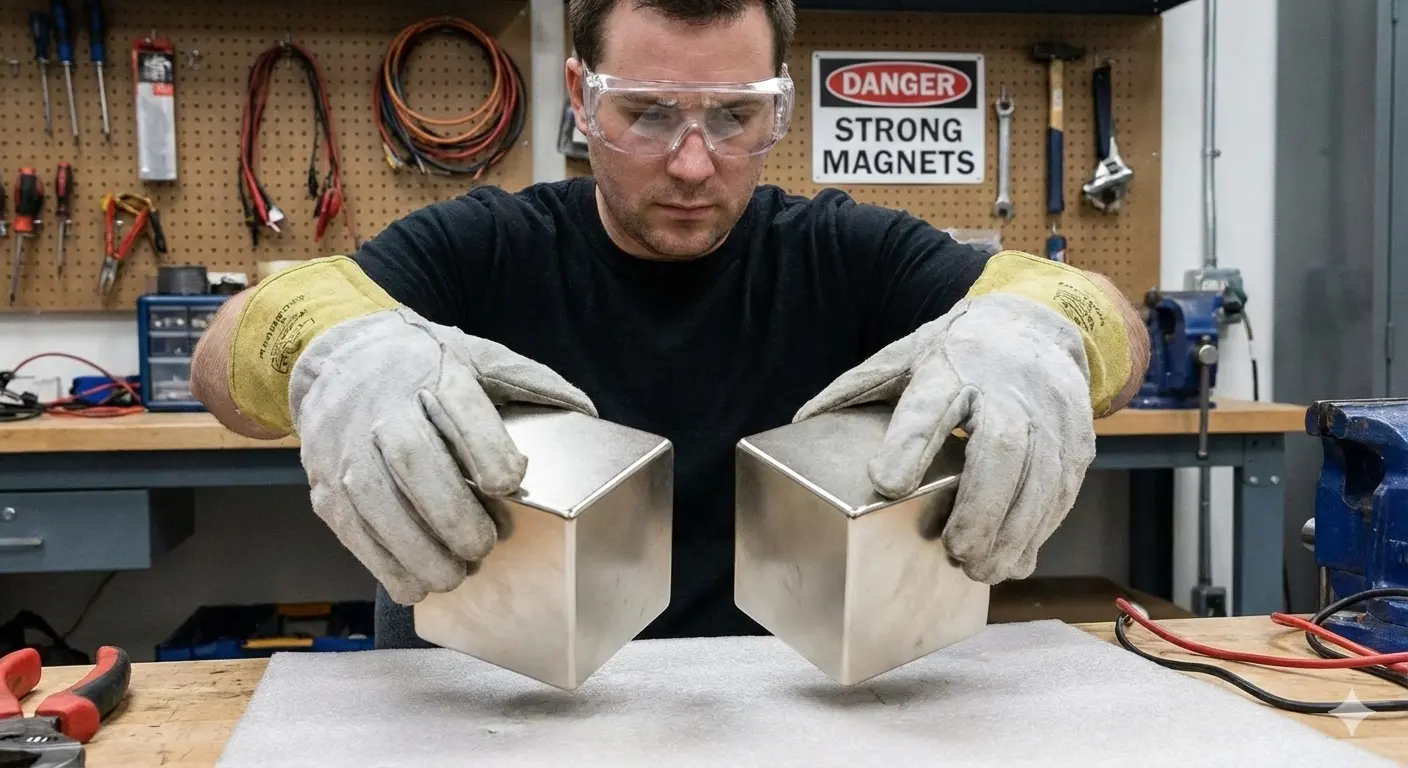
Neodymium magnets, also known as NdFeB magnets, are the strongest commercially available permanent magnets in the world. Their exceptional magnetic force makes them indispensable in industrial manufacturing, automation, electronics, energy systems, and medical devices. However, that same strength introduces safety risks if they are handled without proper controls.
From a risk-management and operational standpoint, understanding neodymium magnet safety is essential. Proper handling not only protects personnel but also prevents equipment damage, product loss, and unplanned downtime.
Why Neodymium Magnets Require Special Safety Measures
Neodymium magnets generate extremely high magnetic forces even at small sizes. This creates several inherent risks:
- Sudden attraction between magnets or ferrous objects
- Pinching and crushing injuries
- Flying metal debris due to rapid magnetic pull
- Damage to electronic equipment and data storage devices
In industrial environments, these risks scale with magnet size, grade, and application complexity, making structured safety protocols a necessity rather than a recommendation.
Personal Safety When Handling Neodymium Magnets
Prevent Pinch and Crush Injuries
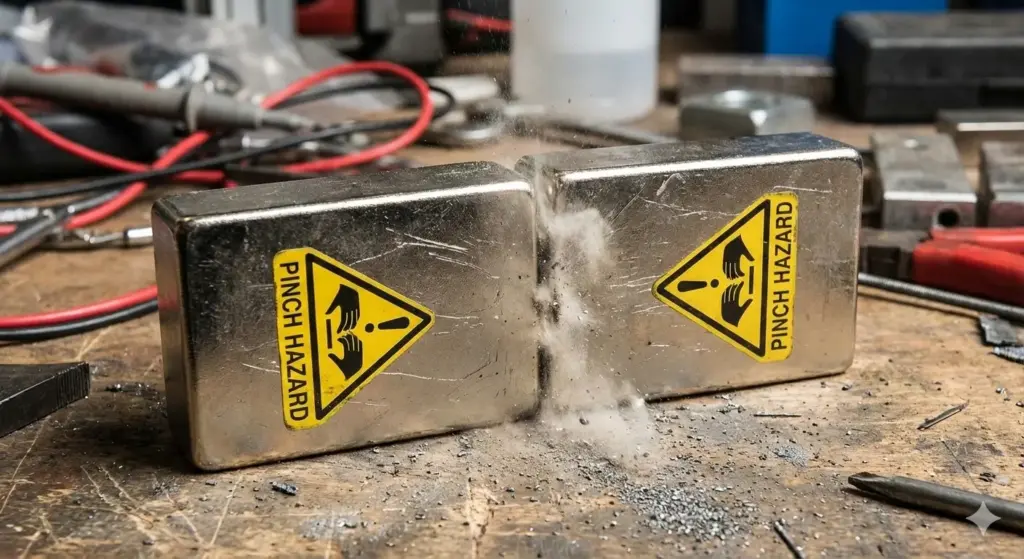
Neodymium magnets can snap together with enough force to break skin or bone.
Best practices include:
- Always handle magnets one at a time
- Keep fingers clear of contact surfaces
- Use spacers or non-magnetic tools during separation
- Wear cut-resistant gloves when appropriate
From a safety governance perspective, manual handling should be minimized wherever possible.
Protect Eyes and Face
When magnets collide, they can chip or fracture, sending sharp fragments outward at high speed.
Recommended controls:
- Wear safety goggles or face shields
- Avoid allowing magnets to slam together
- Inspect magnets regularly for cracks or damage
Eye protection should be considered mandatory in industrial or workshop settings.
Safe Storage and Transportation Practices
Proper Storage to Prevent Accidents
Incorrect storage is a leading cause of magnet-related incidents.
Effective storage strategies:
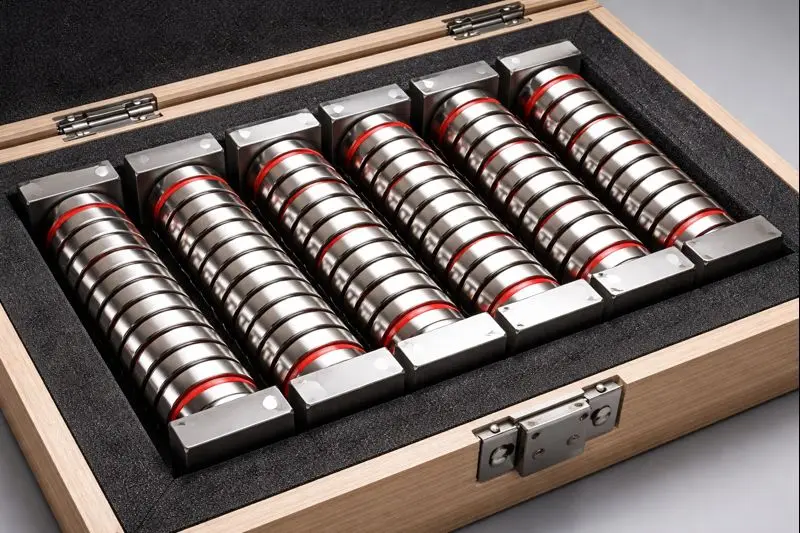
- Store magnets with steel keepers or spacers
- Keep magnets separated and clearly labeled
- Avoid stacking large magnets without mechanical restraints
- Restrict access to trained personnel only
Well-organized storage reduces both safety risks and material losses.
Transportation and Shipping Considerations
Neodymium magnets can interfere with navigation instruments and electronic systems during transport.
Key precautions:
- Use magnetic shielding for shipping
- Follow IATA, IMDG, or ground transport regulations
- Secure magnets to prevent movement during transit
Compliance in this area protects supply chain continuity and avoids regulatory penalties.
Protecting Equipment and Sensitive Devices
Keep Away from Electronics and Data Storage
Strong magnetic fields can permanently damage electronic devices and erase data.
Maintain safe distances from:
- Computers and mobile devices
- Hard drives and magnetic storage media
- Credit cards and access badges
- Medical devices such as pacemakers
In controlled facilities, magnetic field zoning should be clearly defined and enforced.
Avoid High-Temperature and Corrosive Environments
Neodymium magnets are sensitive to temperature and corrosion.
Operational risks include:
- Loss of magnetic strength at elevated temperatures
- Oxidation or corrosion if coatings are damaged
Use appropriate magnet grades and surface coatings based on the operating environment, and avoid exceeding specified temperature limits.
Industrial and Workplace Safety Controls
Use Mechanical Aids and Fixtures
For larger magnets or high-volume operations:
- Use lifting tools, jigs, or magnetic handling fixtures
- Avoid manual separation of large magnets
- Implement standardized operating procedures
Engineering controls significantly reduce reliance on human judgment in high-risk scenarios.
Training and Safety Awareness
Organizations using neodymium magnets should implement structured training programs covering:
- Hazard recognition
- Proper handling techniques
- Emergency response procedures
- Storage and disposal protocols
From a management perspective, magnet safety training is a low-cost, high-impact investment in operational resilience.
Disposal and End-of-Life Safety
Damaged or unwanted neodymium magnets should never be discarded casually.
Safe disposal practices include:
- Demagnetization where feasible
- Secure containment to prevent accidental attraction
- Compliance with local waste and recycling regulations
Responsible disposal protects both personnel and the environment.
Conclusion
Neodymium magnets deliver unmatched performance, but they demand respect and discipline in handling. By implementing clear safety protocols, using appropriate protective equipment, and educating personnel, organizations can fully leverage the benefits of these powerful magnets without exposing their operations to unnecessary risk.
Leave a Reply