Author: Seny Shen

  • How to Re-Magnetize a Refrigerator Door Gasket

    How to Re-Magnetize a Refrigerator Door Gasket

    A refrigerator door gasket is more than just a strip of rubber — it’s a magnetic seal that keeps cold air in and warm air out. Over time, this magnetic strip can weaken, causing the door not to close tightly and forcing your refrigerator to work harder. Understanding how to re-magnetize a refrigerator door gasket can save energy, improve appliance efficiency, and extend the lifespan of your fridge.

    Understanding the Magnetic Gasket

    Most modern refrigerators use a magnetic door gasket made from flexible PVC with an embedded magnetic strip, typically a ferrite or rare-earth magnetic material. This magnet ensures the door seals firmly against the refrigerator body. When the magnetic force weakens, you may notice:

    • The door doesn’t close completely.
    • Condensation or frost buildup near the door.
    • Increased energy consumption.

    Before replacing the entire gasket, it’s worth checking whether you can re-magnetize it.

    Why Refrigerator Gasket Magnets Lose Strength

    Several factors can cause the magnetic strip to weaken over time:

    • Temperature fluctuations from frequent opening and closing.
    • Aging of the magnetic material.
    • Mechanical damage or bending of the gasket.
    • Exposure to magnetic interference or impact.

    In most cases, the magnet can be restored with the right tools and method.

    Step-by-Step: How to Re-Magnetize a Refrigerator Door Gasket

    1. Check the Existing Magnetic Strength

    Open the refrigerator door slightly and place a small metal object (like a paper clip or a key) against the gasket. If it doesn’t stick well, re-magnetization is needed.


    2. Gather Your Tools

    You’ll need:

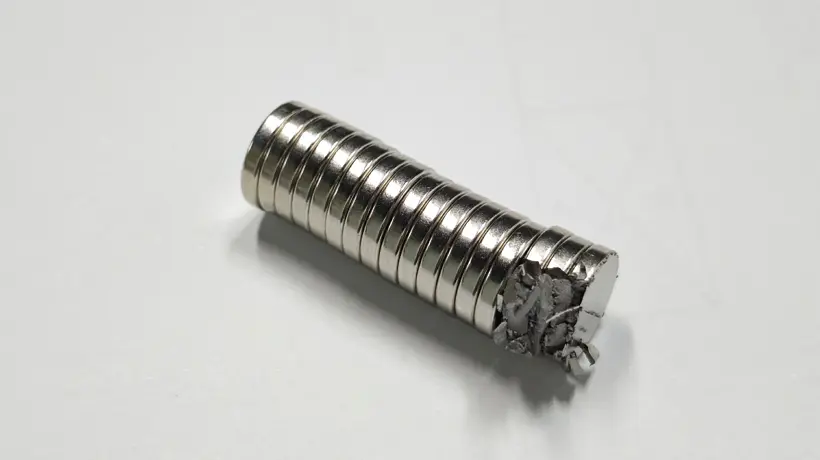
    • A strong neodymium magnet or magnetic polarity magnetizer.
    • A clean cloth for wiping down the gasket.
    • (Optional) A polarity compass to identify the north and south poles.

    3. Clean the Gasket

    Use a mild detergent or warm soapy water to remove any dirt or grease from the gasket surface. Allow it to dry completely before proceeding.


    4. Determine Magnetic Polarity

    Re-magnetization must follow the original pole orientation of the gasket. If available, use a magnetic polarity tester to identify the direction of the poles (alternating north-south pattern).

    If you don’t have one, you can carefully test the pattern by moving the magnet along the gasket and noting the attraction or repulsion points.


    5. Re-Magnetize the Gasket

    1. Hold the neodymium magnet against the gasket where the strip is located.
    2. Move the magnet slowly along the gasket’s length, maintaining the same polarity direction.
    3. Repeat this process 2–3 times on both sides of the door seal.
    4. Test the magnetic strength again using a paper clip or metal object.

    The gasket should now show improved attraction and sealing capability.

    Person re-magnetizing a refrigerator door gasket using a neodymium magnet along the seal.

    6. Inspect the Door Alignment

    Even a strong magnet cannot compensate for a warped or misaligned door. Make sure the refrigerator door sits evenly, and adjust the hinges if necessary to achieve a perfect seal.


    When to Replace Instead of Re-Magnetize

    If the gasket is cracked, brittle, or severely deformed, re-magnetizing won’t be enough. In such cases, replacing the entire gasket is the most effective solution. A fresh, properly magnetized seal ensures long-term efficiency and consistent cooling performance.


    Benefits of Maintaining a Strong Magnetic Seal

    A well-magnetized refrigerator door gasket delivers several key benefits:

    • Enhanced energy efficiency — prevents cold air leakage.
    • Improved temperature consistency — preserves food quality.
    • Reduced compressor strain — extends appliance lifespan.
    • Lower electricity bills — through reduced power consumption.

    Conclusion

    Re-magnetizing a refrigerator door gasket is a simple yet effective way to restore sealing performance and improve energy efficiency. With just a strong magnet and a few careful steps, you can bring your refrigerator’s magnetic seal back to life.


    For professional-grade magnets, re-magnetization tools, and custom magnetic solutions, explore HSMAGNET — your trusted partner in advanced magnetic materials and technologies.

  • What Materials Are Ferromagnetic?

    What Materials Are Ferromagnetic?

    Ferromagnetism is one of the most fascinating and practically important magnetic phenomena in materials science. It is the property that allows certain materials to become strongly magnetized — even after an external magnetic field is removed. Understanding which materials are ferromagnetic is essential for industries such as electronics, energy, automotive, and advanced manufacturing.

    What Does Ferromagnetic Mean?

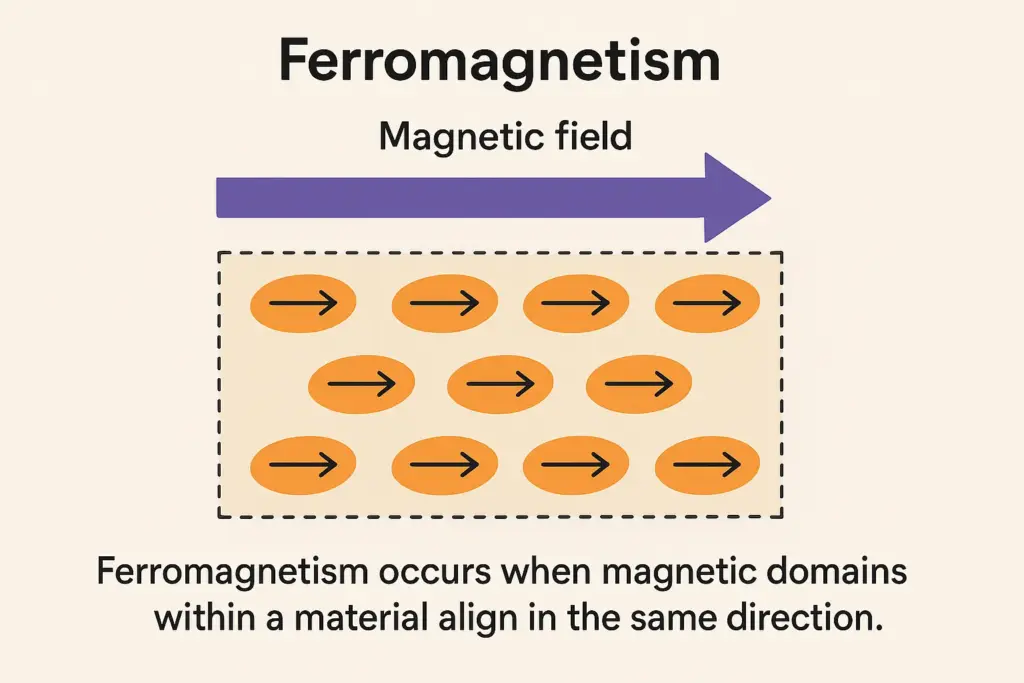
    A ferromagnetic material is one that exhibits a strong attraction to magnets and can retain magnetization permanently. This happens because of the alignment of magnetic moments (spins of electrons) within microscopic regions called magnetic domains. When these domains align in the same direction, the material becomes magnetized.

    Ferromagnetic behavior is what enables magnets, transformers, electric motors, and data storage devices to function efficiently.

    Illustration showing aligned magnetic domains in a ferromagnetic material under a magnetic field.

    The Most Common Ferromagnetic Materials

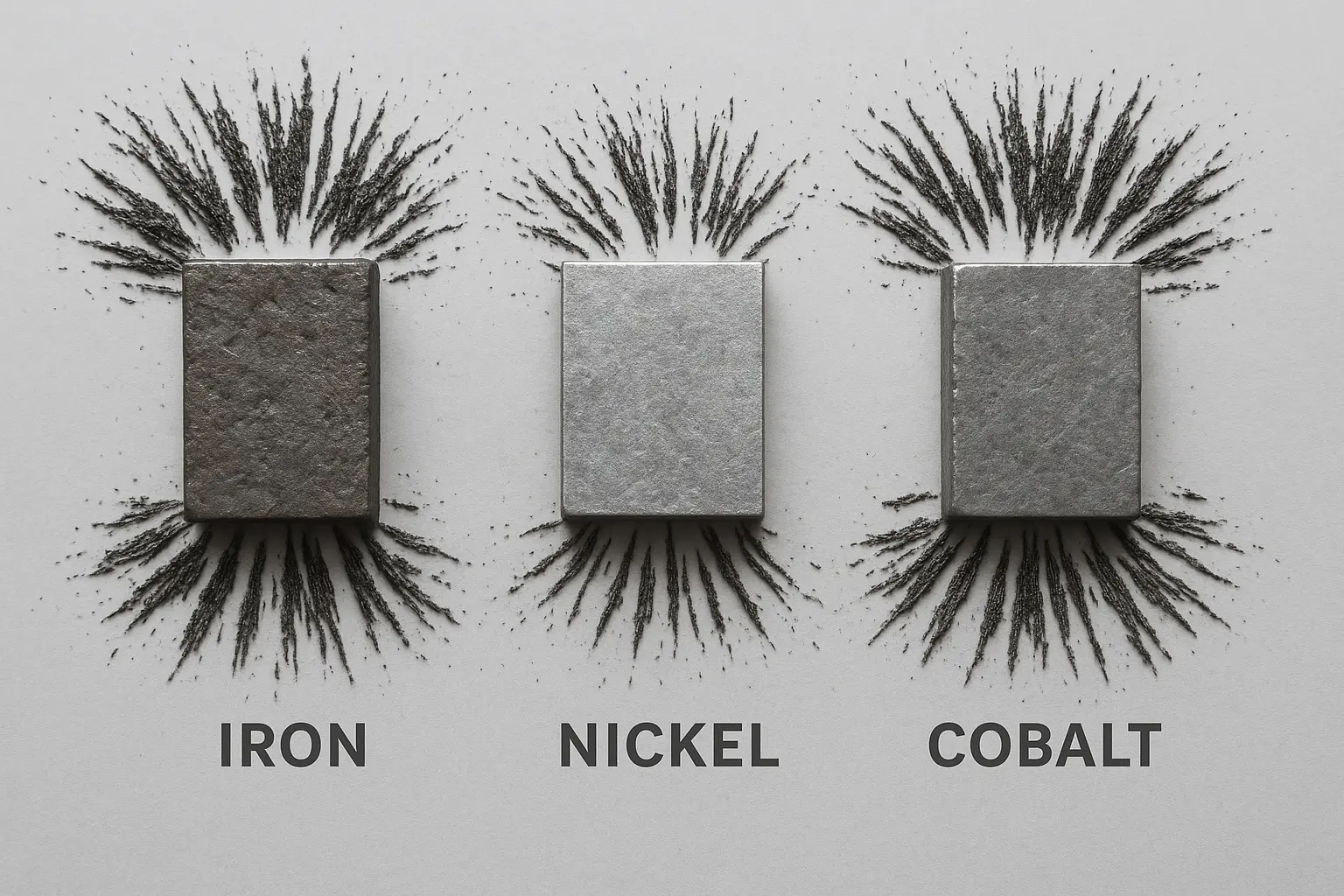
    Only a few elements and alloys exhibit ferromagnetism at room temperature. These include:

    1. Iron (Fe)

    Iron is the most well-known and widely used ferromagnetic metal. Its atomic structure allows for strong magnetic domain alignment, making it the foundation for most industrial magnets and magnetic components.

    Applications: Electric motors, transformers, electromagnets, and steel manufacturing.


    2. Nickel (Ni)

    Nickel is another classic ferromagnetic metal with high magnetic strength and excellent corrosion resistance. It is also a key element in many magnetic alloys.

    Applications: Magnetic shielding, batteries, and permanent magnets.


    3. Cobalt (Co)

    Cobalt exhibits stable ferromagnetic properties even at high temperatures, making it valuable in high-performance magnetic alloys.

    Applications: Aerospace components, magnetic recording media, and high-temperature magnets.


    4. Rare-Earth Elements (e.g., Neodymium and Samarium)

    Certain rare-earth elements and their alloys — particularly neodymium-iron-boron (NdFeB) and samarium-cobalt (SmCo) — are exceptionally powerful ferromagnets. These are used where maximum magnetic strength and compact size are critical.

    Applications: Electric vehicles, wind turbines, precision motors, and high-performance magnetic assemblies.


    5. Ferromagnetic Alloys

    A number of iron-, nickel-, and cobalt-based alloys exhibit tailored ferromagnetic properties. Examples include:

    • Permalloy (Nickel-Iron Alloy): Used for magnetic shielding and transformers.
    • Alnico (Aluminium-Nickel-Cobalt Alloy): Known for high coercivity and stability in permanent magnets.
    • FeCo Alloys: Utilized in high-flux-density applications and magnetic sensors.

    Temperature and Ferromagnetism

    The magnetic behavior of ferromagnetic materials changes with temperature. Each ferromagnetic substance has a specific Curie temperature, above which it loses its permanent magnetism and becomes paramagnetic. For example:

    • Iron: ~770°C
    • Nickel: ~358°C
    • Cobalt: ~1,115°C

    This thermal property is crucial in designing magnetic devices that operate under varying temperature conditions.


    Industrial Importance of Ferromagnetic Materials

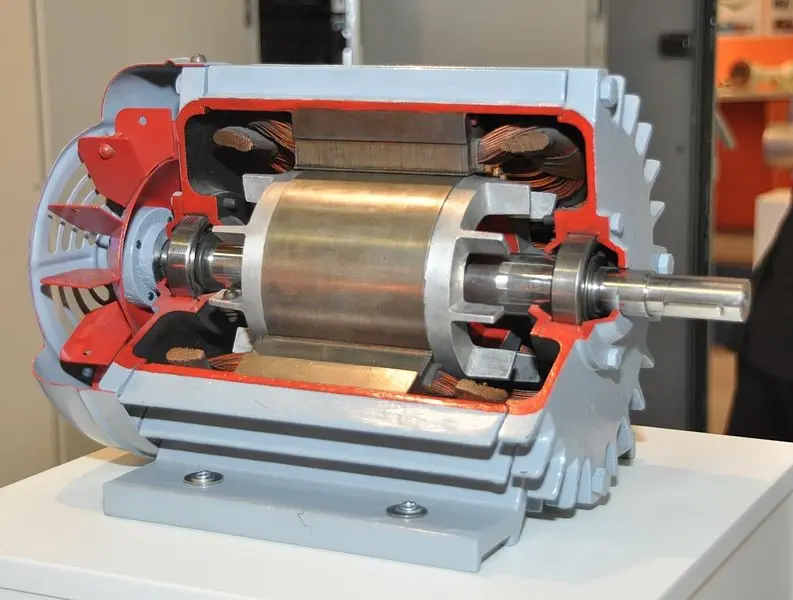
    Electric motor with ferromagnetic iron core used to enhance magnetic efficiency.

    Ferromagnetic materials form the backbone of modern magnetic and electromagnetic technologies. They are essential for:

    • Electric motors and generators — converting electrical energy to mechanical energy and vice versa.
    • Transformers and inductors — enhancing magnetic flux efficiency.
    • Data storage — encoding information in magnetic domains.
    • Magnetic separation and sensing systems — enabling precision detection and sorting.

    Their ability to maintain magnetization, combined with structural strength and thermal stability, makes them irreplaceable in high-performance magnetic systems.


    Conclusion

    Ferromagnetic materials such as iron, nickel, cobalt, and their alloys play a vital role in industrial innovation. Their unique magnetic properties enable the functioning of countless devices, from electric motors to renewable energy systems.

    For advanced ferromagnetic materials, precision-engineered magnets, and custom magnetic assemblies, HSMAGNET delivers industry-leading expertise and reliable magnetic solutions tailored to your applications.

  • Is Zinc a Magnetic Material?

    Is Zinc a Magnetic Material?

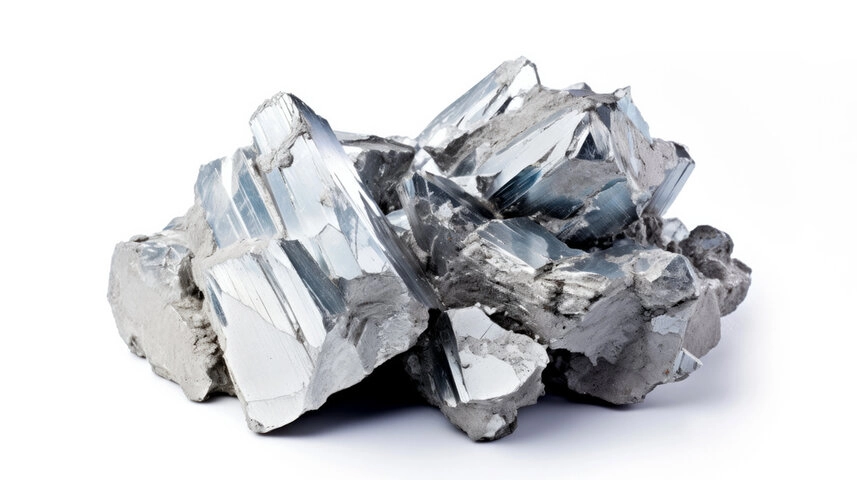
    In industrial and scientific contexts, understanding whether a metal is magnetic is crucial for choosing the right materials for specific applications. One such metal that often raises curiosity is zinc. While zinc is widely used in galvanization, die casting, and alloys, many wonder: is zinc magnetic? The answer lies in its atomic structure and how it interacts with magnetic fields.

    Understanding Zinc’s Magnetic Behavior

    Zinc is classified as a diamagnetic material — meaning it is not magnetic in the conventional sense. Diamagnetic materials are slightly repelled by a magnetic field rather than attracted to it. This property makes zinc the opposite of ferromagnetic metals such as iron, cobalt, and nickel.

    The underlying reason lies in zinc’s electron configuration. Zinc atoms have fully paired electrons, leaving no unpaired spins to align with an external magnetic field. As a result, it exhibits only a very weak and negative magnetic response.

    Zinc vs. Other Magnetic Materials

    To put zinc’s magnetic characteristics in perspective, it’s helpful to compare it with other types of materials:

    Material TypeExample MetalsMagnetic Behavior
    FerromagneticIron, Nickel, CobaltStrongly attracted to magnets
    ParamagneticAluminium, MagnesiumWeakly attracted to magnets
    DiamagneticZinc, Copper, BismuthWeakly repelled by magnets

    As the table shows, zinc belongs firmly in the diamagnetic group, meaning it does not retain magnetism and shows no attraction toward magnetic fields.

    Industrial Implications of Zinc’s Non-Magnetic Nature

    Zinc’s non-magnetic property is advantageous in many engineering and manufacturing contexts. For example:

    • Galvanization: Zinc coatings protect steel and iron from corrosion without affecting their magnetic performance.
    • Die Casting: Zinc alloys are ideal for precision components where non-magnetic behavior is required.
    • Electronics: Zinc-based materials can be used in electronic housings to avoid electromagnetic interference (EMI).

    Because zinc doesn’t interfere with magnetic fields, it is a preferred choice for components in sensitive environments.

    Applications Where Zinc and Magnetism Intersect

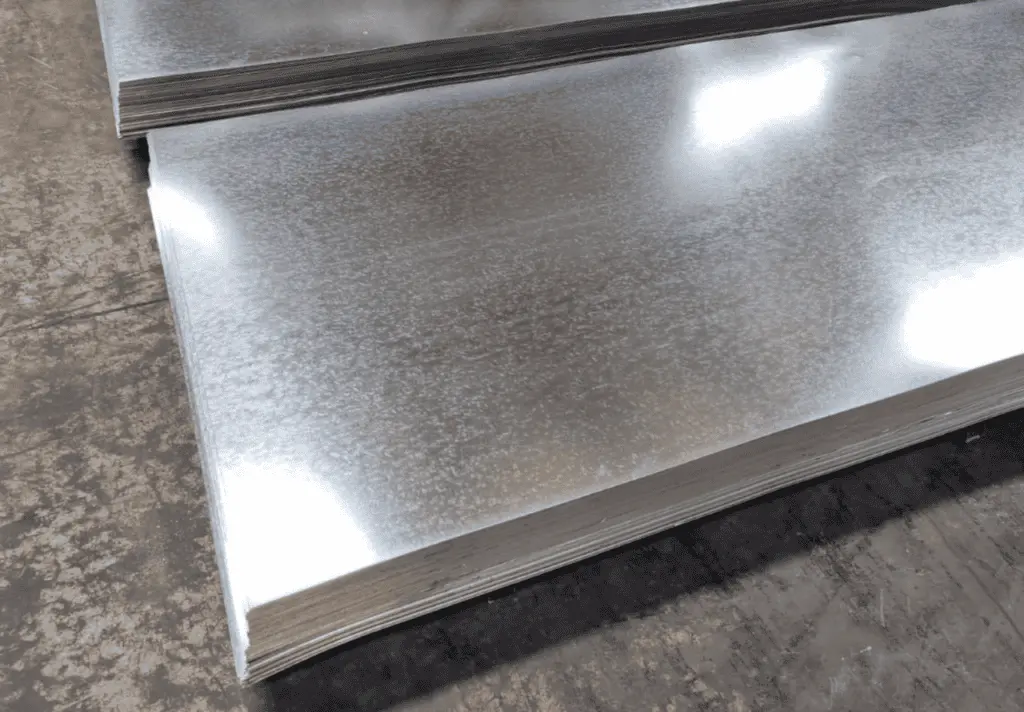
    Although zinc itself is non-magnetic, it plays a vital role in magnetic systems as a protective or structural material. For instance, galvanizing steel with zinc creates a magnetic metal surface that is resistant to corrosion — a combination that’s widely used in construction, automotive, and energy industries.

    Additionally, zinc is often used in alloys with magnetic or paramagnetic metals to improve mechanical strength and corrosion resistance while maintaining stable magnetic properties.

    Galvanized steel coated with zinc for corrosion protection without affecting magnetic properties

    Conclusion

    To summarize: zinc is not magnetic. As a diamagnetic metal, it is weakly repelled by magnetic fields and does not retain any magnetism. However, its ability to protect and complement magnetic materials makes it indispensable in modern industry.


    For precision-engineered magnetic materials and solutions tailored to your industrial needs, explore HSMAGNET — your trusted partner in magnetic innovation.

  • Is Aluminium a Magnetic Material?

    Is Aluminium a Magnetic Material?

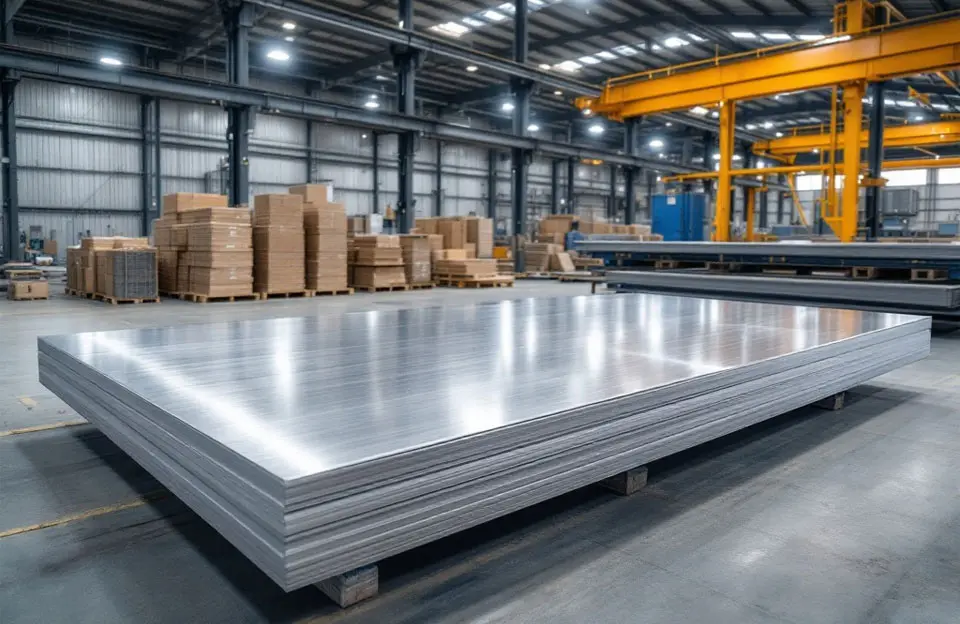
    In the field of magnetic materials and industrial applications, aluminium often raises an interesting question: is aluminium magnetic? While aluminium is a metal with a wide range of uses — from aerospace engineering to consumer electronics — it does not behave like iron or nickel in a magnetic field. To understand why, let’s take a closer look at its properties and behavior in magnetic environments.

    Understanding Magnetic Properties

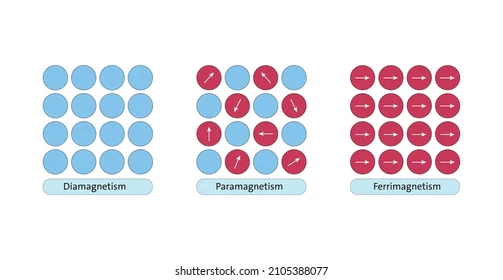
    Materials are classified by how they respond to magnetic fields. Broadly, they fall into three categories:

    • Ferromagnetic materials: Strongly attracted to magnets (e.g., iron, cobalt, nickel).
    • Paramagnetic materials: Weakly attracted to magnets and only in the presence of a magnetic field.
    • Diamagnetic materials: Weakly repelled by a magnetic field.

    Aluminium belongs to the paramagnetic group.

    Chart showing difference between ferromagnetic, paramagnetic, and diamagnetic materials with aluminium labeled as paramagnetic

    Why Aluminium Is Not Magnetic

    At the atomic level, magnetism arises from unpaired electrons. In ferromagnetic materials, these unpaired electrons align easily, creating a strong magnetic field. In contrast, aluminium’s electron structure doesn’t allow for this kind of alignment. As a result, its attraction to magnets is extremely weak — so weak that it is often considered non-magnetic in practical terms.

    The Role of Aluminium in Magnetic Fields

    Even though aluminium itself isn’t magnetic, it interacts with magnetic fields in interesting ways. When aluminium moves through a magnetic field, eddy currents are generated within it. These currents create an opposing magnetic field, resulting in a noticeable effect called magnetic damping. This principle is widely used in applications such as:

    • Magnetic braking systems
    • Induction heating
    • Eddy current separators in recycling and metal sorting industries

    These use cases demonstrate that while aluminium doesn’t attract magnets, it still plays a crucial role in magnetic and electromagnetic technologies.

    Aluminium’s Advantages in Magnetic Applications

    The non-magnetic nature of aluminium can actually be beneficial. Its lightweight, corrosion resistance, and ability to conduct electricity make it ideal for environments where magnetism could cause interference or damage. For example:

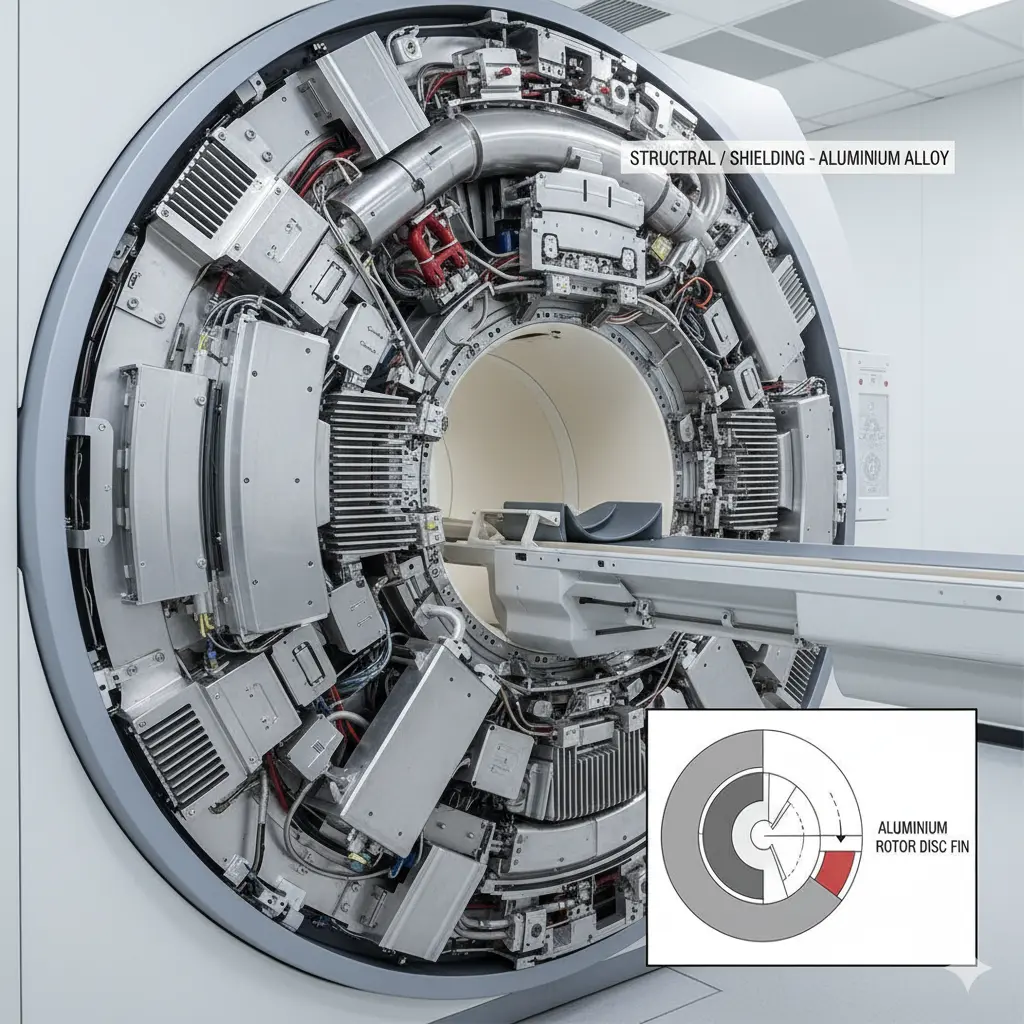
    • MRI machines use non-magnetic aluminium components to prevent distortion.
    • Electronic housings often rely on aluminium to reduce magnetic disturbance.
    • Aerospace and defense systems incorporate aluminium for its strength-to-weight ratio and magnetic neutrality.
    Aluminium parts used in MRI machine to reduce magnetic interference.

    Conclusion

    To answer the question — no, aluminium is not a magnetic material. However, its interaction with magnetic fields and its valuable physical properties make it indispensable in many magnetic and non-magnetic systems. In industries where precision, lightweight design, and non-magnetic performance are essential, aluminium continues to be a material of choice.


    For high-performance magnetic materials, components, and expert technical support, visit HSMAGNET — your trusted partner in advanced magnet solutions.