
Category: Magnetic Applicaitons

  • Magnetic Door Catch: Types, Magnets Used, and Applications

    Magnetic Door Catch: Types, Magnets Used, and Applications

    A magnetic door catch (also called magnetic door stop, magnetic door latch, or door magnet) is a device that uses magnets to hold a door closed securely. It typically has two parts:

    • Magnet – embedded in the door frame.
    • Metal plate – fixed on the door panel.

    When the door shuts, the magnet attracts the plate, creating a strong magnetic force that keeps the door closed without traditional mechanical latches.

    Magnetic catches are widely used in cabinet doors, furniture, room doors, and light commercial spaces due to their simple, reliable, and noiseless operation.

    Common Types of Magnetic Door Catches

    There are several types of magnetic catches available depending on installation and application:

    1. Surface-Mounted Magnetic Door Catch

    • Installed directly on the surface of the door and frame.
    • Most common and cost-effective type.
    • Easy to install, widely used in cabinets and interior doors.

    2. Recessed Magnetic Door Catch

    • Installed inside the door and frame, hidden from sight.
    • Provides a clean and modern look.
    • Often used in minimalist furniture and high-end interiors.

    3. Push-Button Magnetic Door Catch

    • Includes a spring-loaded button to release the door.
    • Offers extra security and convenience.
    • Suitable for offices, commercial cabinets, or where accidental opening must be prevented.
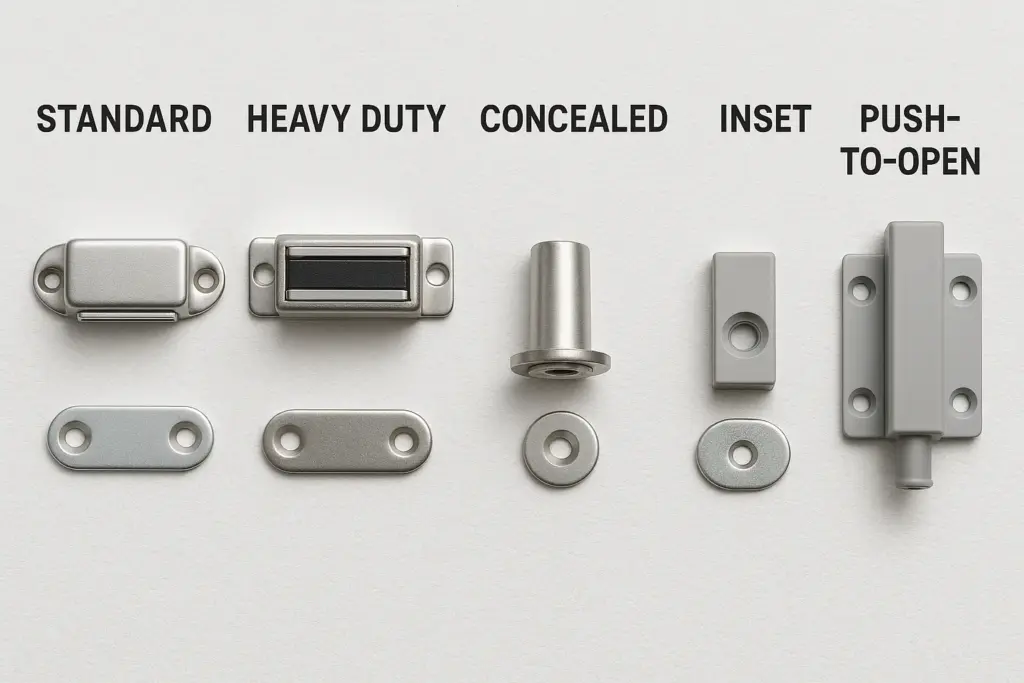
    Side-by-side comparison of various magnetic door catch types, including standard, heavy-duty, and concealed designs.

    What Magnets Are Used in Magnetic Door Catches?

    The performance of a magnetic catch depends heavily on the magnet material.

    Neodymium Magnets (NdFeB) – The Most Common

    • Strongest permanent magnet available.
    • Compact yet powerful, ensuring doors stay firmly shut.
    • Cost-efficient because only small pieces are needed.
    • Ideal for room doors, heavy cabinets, and commercial applications.

    Ferrite (Ceramic) Magnets – A Cheaper Alternative

    • Weaker than neodymium magnets.
    • Larger size needed to achieve the same holding force.
    • Suitable for light doors, budget furniture, or DIY projects.

    👉 In short: Neodymium magnets are the preferred choice for modern magnetic door catches due to their strength, reliability, and compact size.

    Applications of Magnetic Door Catches

    Magnetic catches are versatile and widely used in residential, commercial, and special-purpose settings:

    Home Applications

    • Cabinets & drawers – prevent slamming and rattling.
    • Closets & pantry doors – keep doors flush without bulky knobs.
    • Room doors & nursery doors – provide quiet closing for noise-sensitive areas.

    Light Commercial Use

    • Display cabinets & showcases – secure products while allowing easy access.
    • Office partitions – simple and flexible temporary latching.
    • Restroom stalls – discreet and quiet latching solution.

    Special Applications

    • RVs & boats – withstand vibrations and prevent accidental openings.
    • Pet doors – create self-closing designs for convenience.
    • Furniture – ideal for bookcases, entertainment centers, and storage units.

    Advantages of Magnetic Door Catches

    • Silent operation – no slamming or clicking.
    • Durability – fewer moving parts compared to mechanical latches.
    • Easy installation – surface or recessed options.
    • Compact design – works well in modern, minimalist interiors.

    Scene illustrating the benefits of magnetic door catches, handle-free designs.

    FAQs About Magnetic Door Catches

    Q1: Are magnetic door catches strong enough for heavy doors?
    ➡ Yes, especially when using neodymium magnets. For heavier doors, larger or multiple catches may be required.

    Q2: Can magnetic catches be used outdoors?
    ➡ They can, but it’s best to use rust-resistant materials like stainless steel housings and waterproof designs.

    Q3: Do magnetic catches replace door locks?
    ➡ No, they are designed for holding and latching, not for security. For doors that need locking, use them alongside a proper lock.

    Conclusion

    A magnetic door catch is a simple yet effective solution for keeping doors, cabinets, and furniture securely closed. With options like surface-mounted, recessed, and push-button designs, and using powerful neodymium magnets, they provide durability, noise-free operation, and modern style.

    Whether in homes, offices, RVs, or boats, magnetic catches offer practical benefits that mechanical latches often cannot match.
  • Magnetic Drum Separator: Your Ultimate Guide to Efficient Material Separation

    Magnetic Drum Separator: Your Ultimate Guide to Efficient Material Separation

    A magnetic drum separator is a powerful tool used to remove tramp iron and ferromagnetic materials from bulk materials on conveyor belts or vibrating feeders. This equipment is essential in industries like mining, recycling, and food processing, ensuring clean, contaminant-free materials. In this guide, we’ll explore what a magnetic drum separator is, how it works, the types of magnets used, and its wide-ranging applications.

    What is a Magnetic Drum Separator?

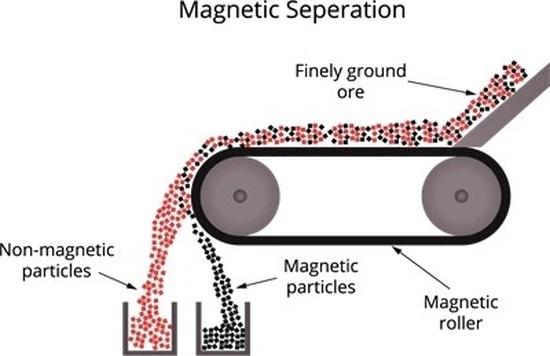
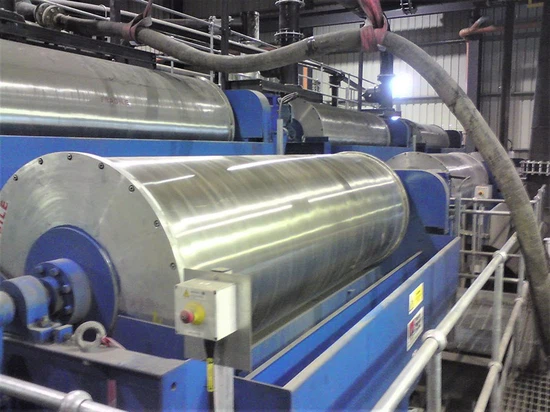
    A magnetic drum separator is a specialized device designed to separate ferrous materials from non-ferrous bulk materials. It features a stationary magnetic element housed within a rotating stainless-steel drum. As the drum rotates at a set speed, ferromagnetic materials are attracted to the drum’s surface and carried to a designated discharge point, while non-magnetic materials continue along their path unaffected. This efficient separation process enhances product purity and protects downstream equipment.

    Key Features of Magnetic Drum Separators

    • High Efficiency: Removes ferrous contaminants with precision.
    • Versatile Design: Suitable for various industries and material types.
    • Low Maintenance: Durable stainless-steel construction ensures long-term reliability.

    How Does a Magnetic Drum Separator Work?

    The operation of a magnetic drum separator is straightforward yet highly effective. Here’s a step-by-step breakdown:

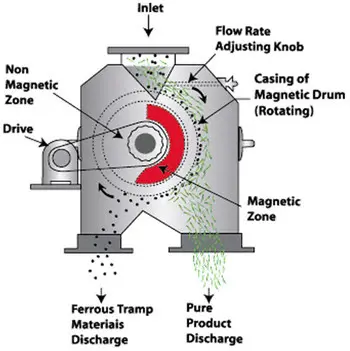
    1. Material Input: Bulk material is fed onto the top of the drum separator, flowing over the drum’s surface.
    2. Magnetic Attraction: As the drum rotates around a fixed magnetic field, ferrous materials (e.g., tramp iron) are captured by the magnetic force and held on the drum’s surface.
    3. Non-Ferrous Flow: Non-magnetic materials, unaffected by the magnetic field, fall freely into a cleaned material stream.
    4. Ferrous Discharge: The captured ferrous materials are carried past a diverter and released outside the magnetic field into a separate collection point.

    This process ensures continuous, automated separation, making it ideal for high-volume processing environments.

    Close-up view of a magnetic drum separator showing its rotating drum and internal stationary magnetic system with labels.

    Types of Magnets Used in Magnetic Drum Separators

    Magnetic drum separators utilize two primary types of magnets, each suited for specific applications:

    1. Ceramic Magnets

    • Composition: Made from iron oxide and barium or strontium carbonate (ferrite magnets).
    • Magnetic Strength: 1500–2000 Gauss on the drum surface.
    • Applications: Ideal for separating larger iron particles or free iron in less demanding applications.
    • Benefits: Cost-effective and reliable for standard separation tasks.

    2. Rare Earth Magnets

    • Composition: Composed of neodymium, iron, and boron alloys (NdFeB magnets).
    • Magnetic Strength: 3500–5500 Gauss on the drum surface.
    • Applications: Perfect for removing fine iron particles and low-magnetism contaminants in high-precision applications.
    • Benefits: Higher magnetic strength for superior performance in challenging environments.

    Choosing the Right Magnet: Select ceramic magnets for cost-sensitive, less demanding tasks and rare earth magnets for applications requiring high precision and fine particle separation.

    Applications of Magnetic Drum Separators

    Magnetic drum separators are versatile, serving multiple industries to ensure product purity and equipment protection. Key applications include:

    • Mineral Processing: Separates valuable minerals from ores, enhancing mining efficiency.
    • Recycling: Removes ferrous and non-ferrous metals from waste streams, reducing waste volume and improving recycling rates.
    • Food and Beverage Processing: Eliminates metal contaminants to meet strict safety and quality standards.
    • Chemical Processing: Purifies chemicals by removing metallic impurities.
    • Plastics and Rubber Processing: Ensures raw materials are free from metal contaminants, improving product quality.
    • Wood Processing: Separates ferrous materials during wood product manufacturing.
    • Mining: Facilitates the extraction of minerals by separating ferrous and non-ferrous materials.
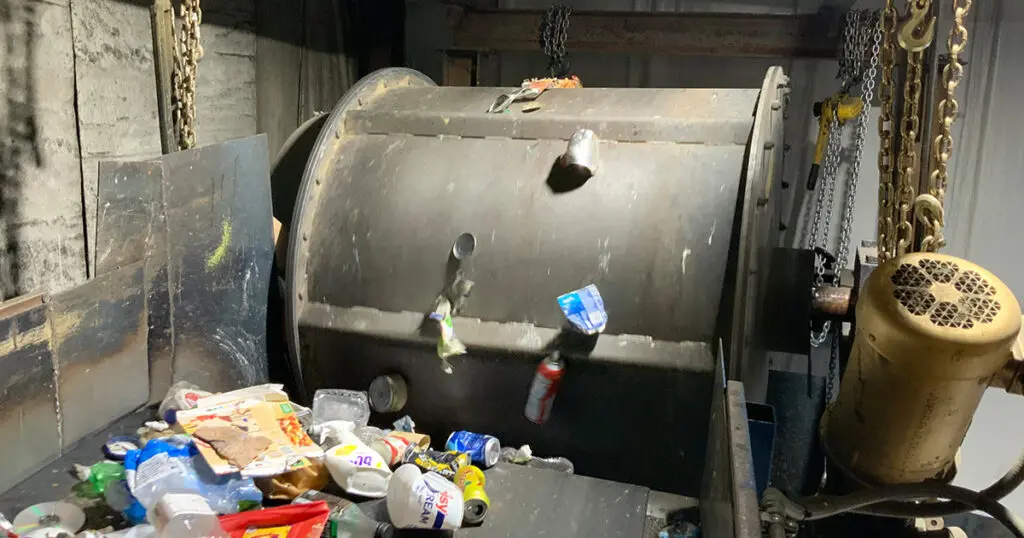
    Magnetic drum separator processing solid waste or construction debris in a recycling facility.

    Benefits of Using Magnetic Drum Separators

    • Enhanced Product Quality: Removes contaminants for cleaner, safer products.
    • Equipment Protection: Prevents damage to downstream machinery by eliminating tramp iron.
    • Cost Savings: Reduces waste and improves material recovery in recycling and mining.
    • Eco-Friendly: Supports sustainable practices by aiding recycling and waste reduction.

    Why Choose a Magnetic Drum Separator?

    Magnetic drum separators are a must-have for industries prioritizing efficiency, safety, and sustainability. Their robust design, combined with powerful magnetic technology, ensures reliable performance across diverse applications. Whether you’re in mining, recycling, or food processing, a magnetic drum separator can streamline your operations and boost productivity.

    Conclusion

    Magnetic drum separators are indispensable for efficient material separation, offering unmatched reliability and versatility. By understanding their functionality, magnet types, and applications, you can make informed decisions to optimize your processes. Ready to enhance your operations with a magnetic drum separator? Explore our range of solutions at hsmagnet to find the perfect fit for your industry needs.

  • Cross Belt Separator: Ultimate Guide to Magnetic Separation

    Cross Belt Separator: Ultimate Guide to Magnetic Separation

    A cross belt separator is an advanced, self-cleaning magnetic separator designed to remove ferrous contaminants, such as tramp metals (e.g., nuts, bolts, and scrap), from materials on conveyor belts. Ideal for industries like mining, recycling, and aggregates, these systems ensure continuous, efficient separation with minimal maintenance. Featuring high-strength magnets and a durable toothed belt, cross belt separators transport contaminants to a collection bin, protecting equipment and improving product purity.

    How Does a Cross Belt Separator Work?

    Cross belt separators operate using electromagnetism to separate ferrous materials from non-ferrous ones. The system consists of a conveyor belt with an electromagnetic coil positioned above it, generating a powerful magnetic field.

    Here’s the process:

    1. Material Flow: Materials pass under the separator on a conveyor belt.
    2. Magnetic Attraction: The electromagnetic coil, powered by a rectifier converting AC to DC, creates a magnetic field that attracts ferrous particles.
    3. Separation: Captured ferrous materials are pulled from the material stream and transported by a toothed belt to a collection bin.
    4. Continuous Operation: Non-magnetic materials continue along the conveyor, ensuring uninterrupted processing.

    This efficient mechanism ensures high throughput and reliable separation in demanding environments.

    Step-by-step visual explanation of how a cross belt separator works, from material input to iron discharge.

    Types of Magnets Used in Cross Belt Separators

    Cross belt separators rely on powerful magnets to capture ferrous contaminants. The two primary types are:

    • Ceramic Magnets (Ferrite): Affordable and reliable, generating magnetic fields of 0.5–1 Tesla. Ideal for less demanding applications.
    • Rare Earth Magnets: Including Neodymium (NdFeB) and Samarium Cobalt, these magnets produce fields exceeding 1.4 Tesla. Known for their strength, they’re brittle and coated to prevent corrosion.

    Rare earth magnets, developed in the 1970s and 1980s, offer superior performance for heavy-duty applications, ensuring effective removal of even small ferrous particles.

    Applications of Cross Belt Separators

    Cross belt separators are versatile, serving multiple industries:

    1. Mining: Removes tramp metals like bucket teeth and rebar, protecting conveyor belts, pumps, and hydrocyclones.
    2. Aggregates: Extracts metal scraps and tools from crushed rock, ensuring product quality.
    3. Wood Processing: Protects chippers by removing wires and tools from wood streams.
    4. Biomass: Ensures metal-free wood pellets and safeguards equipment from damage.
    5. Recycling: Prevents metal contamination in recycled products and protects comminution equipment.

    These applications enhance operational efficiency, reduce downtime, and ensure high-quality outputs.

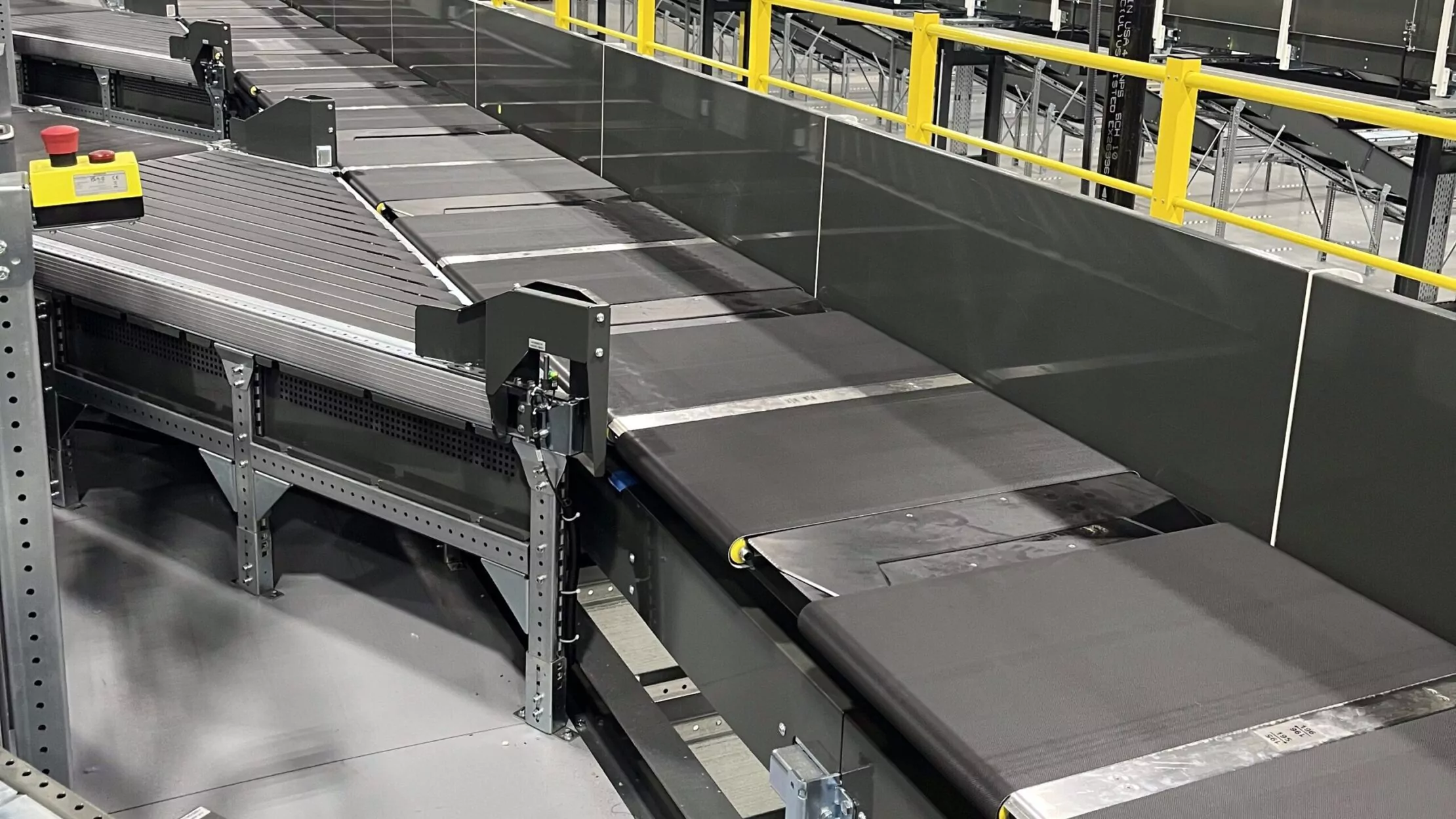
    Cross belt separator in operation at a mining or mineral processing plant.

    Why Choose Cross Belt Separators?

    Cross belt separators are essential for industries requiring reliable tramp metal removal. Their self-cleaning design, powerful magnets, and robust construction make them a cost-effective solution for protecting equipment and ensuring product purity. By integrating these systems, businesses can boost productivity and minimize costly repairs.

    Ready to enhance your operations? Explore cross belt separator solutions tailored to your industry needs in 2025.

  • The Applications of Rare Earth Permanent Magnets

    The Applications of Rare Earth Permanent Magnets

    Rare earth permanent magnets are the backbone of many cutting-edge technologies, offering unmatched strength and efficiency in compact forms. These magnets, made from rare earth elements like neodymium and samarium, are transforming industries from electric vehicles to renewable energy. In this post, we explore what makes these magnets special, the role of rare earth materials, and the impact of China’s export controls on the global supply chain.

    What Are Rare Earth Magnets?

    Rare earth magnets, including neodymium-iron-boron (NdFeB) and samarium-cobalt (SmCo), are the strongest permanent magnets available. Unlike traditional ferrite or alnico magnets, they deliver exceptional magnetic strength and energy density, making them ideal for high-performance applications. NdFeB magnets are cost-effective and powerful, while SmCo magnets excel in high-temperature environments.

    Rare Earth Materials: The Core Components

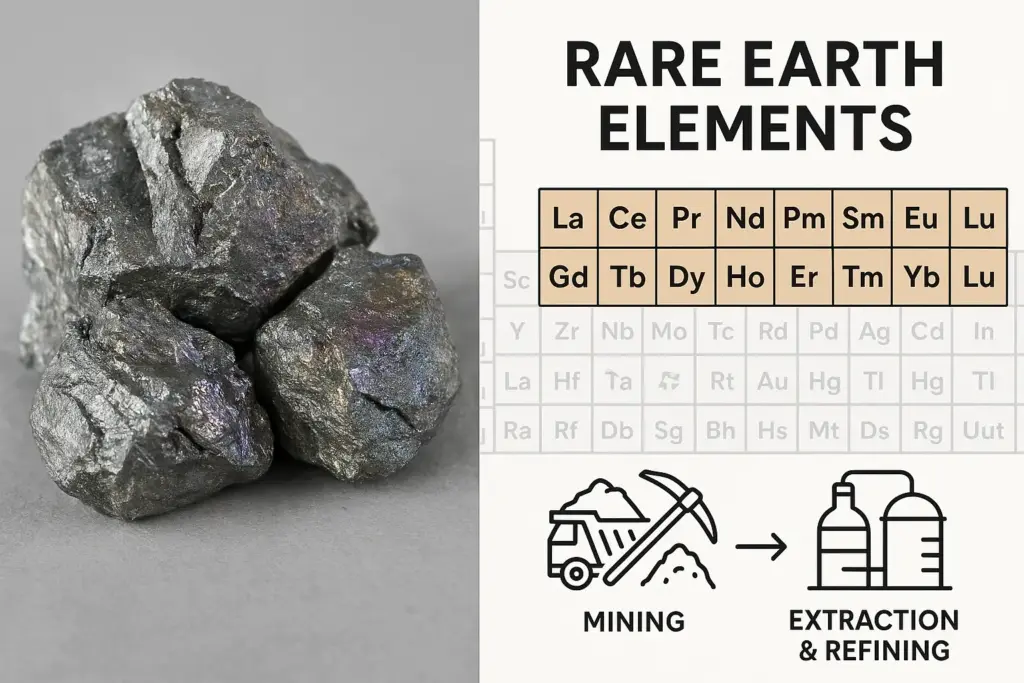
    Rare earth elements are a group of 17 metals in the lanthanide series, including neodymium (Nd), samarium (Sm), dysprosium (Dy), and others. Despite their name, these elements are not scarce in the Earth’s crust but are challenging to mine and refine due to their dispersed nature and complex processing. Their unique properties enable the creation of magnets that power modern devices and green technologies.

    Image of rare earth element minerals or an infographic on their extraction.

    Key Applications of Rare Earth Magnets

    Rare earth magnets are critical to numerous industries, driving innovation and efficiency. Here are some key applications:

    Other Uses: Applications include medical equipment, bicycle dynamos, fishing reel brakes, and even magnetic therapy tools.

    Electric Vehicles (EVs): Rare earth magnets are essential in EV motors, enhancing power conversion and extending battery range for sustainable transportation.

    Renewable Energy: Wind turbine generators rely on these magnets to efficiently convert wind into electricity, supporting clean energy goals.

    Consumer Electronics: From smartphone speakers to MRI scanners, these magnets enable compact, high-performance devices.

    China’s Role in Rare Earth Magnet Exports

    China dominates the global rare earth market, controlling roughly 60-70% of mining and over 90% of processing capacity. This dominance has significant implications, especially with recent export controls. In April 2025, China introduced restrictions on seven medium and heavy rare earth elements, including oxides, alloys, and permanent magnets. These measures, requiring export licenses and end-use declarations, were a response to U.S. tariffs. By May 2025, magnet shipments halved, disrupting global supply chains. Reports from July 2025 indicate further curbs, potentially banning certain alloys and magnets, pushing countries to explore alternative sources.

    Map visualizing China's dominant role in the global rare earth supply chain.

    China’s Role in Rare Earth Magnet Exports

    China dominates the global rare earth market, controlling roughly 60-70% of mining and over 90% of processing capacity. This dominance has significant implications, especially with recent export controls. In April 2025, China introduced restrictions on seven medium and heavy rare earth elements, including oxides, alloys, and permanent magnets. These measures, requiring export licenses and end-use declarations, were a response to U.S. tariffs. By May 2025, magnet shipments halved, disrupting global supply chains. Reports from July 2025 indicate further curbs, potentially banning certain alloys and magnets, pushing countries to explore alternative sources.

  • Bullet Magnets:A Reliable Magnetic Separator for Industrial Applications

    Bullet Magnets:A Reliable Magnetic Separator for Industrial Applications

    In modern industries such as food processing, plastics, pharmaceuticals, and minerals, product purity and equipment protection are critical. One of the most effective tools for removing unwanted ferrous contaminants from material flow is the Bullet Magnet.

    What is a Bullet Magnet?

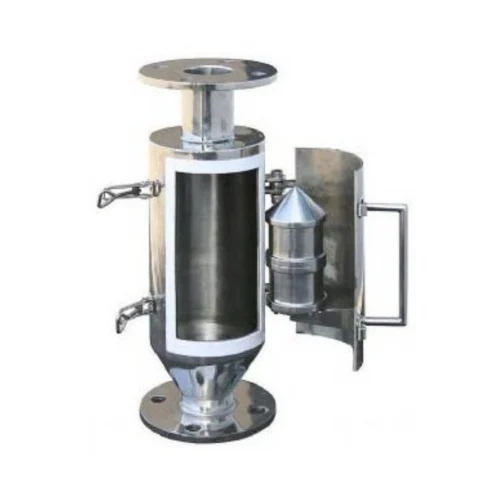
    A Bullet Magnet is an inline magnetic separator designed in a streamlined, bullet-like shape. Installed in pneumatic or gravity-fed pipelines, it intercepts ferrous contaminants—such as iron filings, bolts, or screws—without disrupting the flow of bulk materials. Its unique design minimizes turbulence, maintains smooth product flow, and ensures high magnetic efficiency.

    How Does a Bullet Magnet Work?

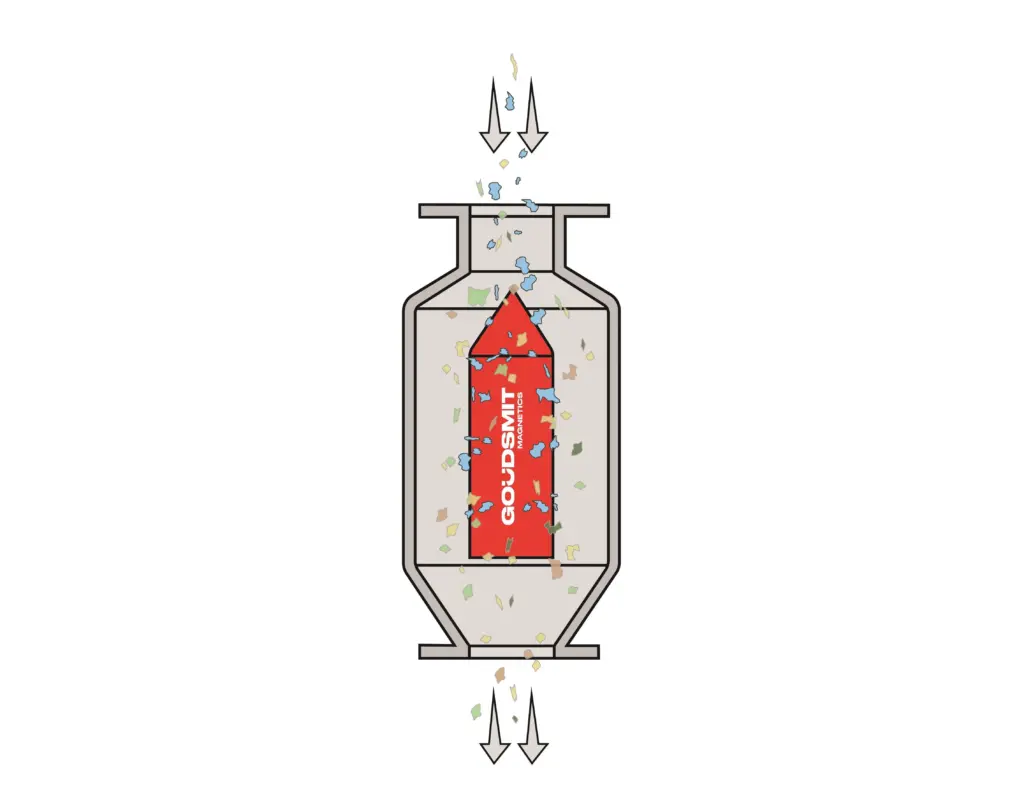
    At the core of a Bullet Magnet is a powerful permanent magnet. As product flows through the housing, the magnet’s strong field attracts and holds ferrous particles. The contaminants adhere to the surface of the magnetic core, preventing them from continuing downstream. Periodically, the housing is opened and the collected contaminants are cleaned away.

    Working principle of bullet magnets Magnetic field attracting ferrous particles in product flow.

    Permanent Magnets Used in Bullet Magnets

    As a manufacturer of permanent magnets, we know the choice of magnet material directly impacts the Bullet Magnet’s performance:

    • Neodymium Magnets (NdFeB):
      Provide extremely high magnetic strength, capable of capturing even fine iron dust. Ideal for food and pharmaceutical applications where the highest level of purity is required.
    • Ferrite Magnets (Ceramic):
      Cost-effective, corrosion-resistant, and stable at higher operating temperatures. Commonly used where larger tramp metal pieces need to be removed and ultra-high intensity is not required.
    • AlNiCo Magnets:
      Though less common in Bullet Magnets compared to neodymium and ferrite, Alnico magnets offer excellent temperature stability and can be used in high-heat environments where other magnets might lose strength.

    By selecting the right permanent magnet material, Bullet Magnets can be customized for specific industrial needs.

    Key Features of Bullet Magnets

    • Streamlined Bullet Shape: Maintains smooth product flow with minimal pressure loss.
    • Deep Magnetic Field: Ensures ferrous contaminants are pulled out of the product stream.
    • Durable Stainless Steel Housing: Designed for hygiene and easy cleaning.
    • Versatile Applications: Widely used in food, plastic, grain, mineral, and recycling industries.
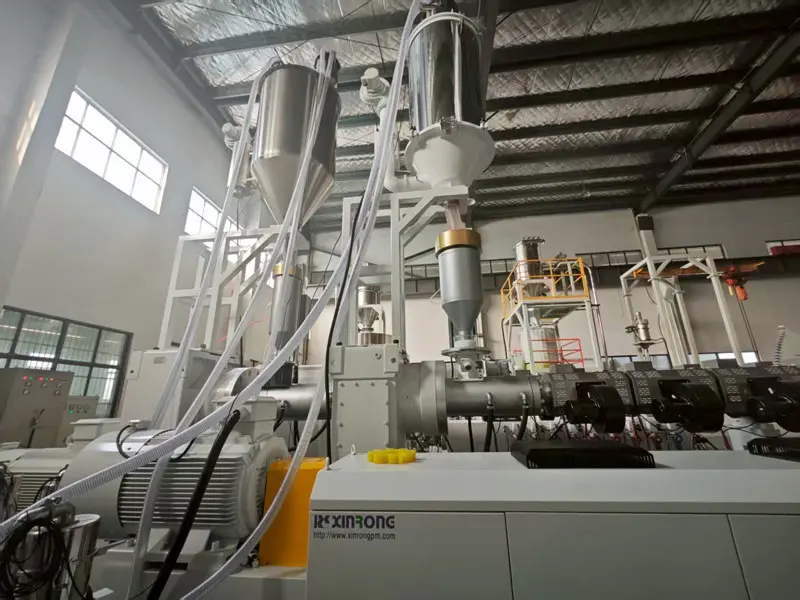
    Bullet magnets in food processing and recycling applications for equipment protection.

    Why Are Bullet Magnets Important?

    • Product Quality: Prevents metallic contamination in final products.
    • Equipment Protection: Protects downstream machinery like grinders, mixers, and extruders.
    • Cost Savings: Reduces downtime and repair costs caused by unexpected metal damage.

    Conclusion

    A Bullet Magnet is not just a shaped piece of metal—it is a high-performance permanent magnet application that plays a critical role in industrial processing. By incorporating neodymium, ferrite, or AlNiCo magnets, Bullet Magnets provide reliable separation of ferrous contaminants, ensuring product safety, equipment protection, and efficient operations.

    As a professional manufacturer of permanent magnets, including Neodymium, Ferrite, and AlNiCo, we supply the magnetic cores that make Bullet Magnets powerful and dependable in demanding industrial environments.

  • Introduction: The Role of Hump Magnets in Industrial Processing

    Introduction: The Role of Hump Magnets in Industrial Processing

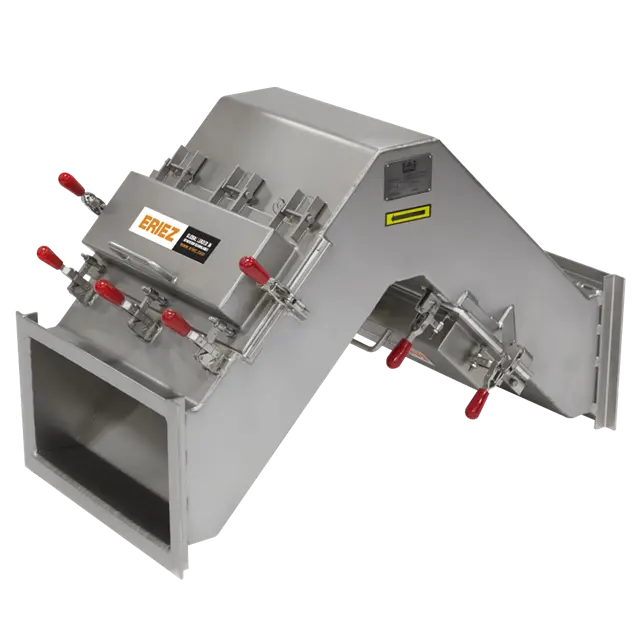
    Hump magnets, also known as plate chute separators, are essential devices in industrial settings for removing ferrous contaminants like metal particles, rust, and iron filings from free-flowing materials such as grains, powders, plastics, and liquids. Invented in the mid-20th century to enhance product purity and protect machinery, these magnetic separators are widely used in sectors like food processing, pharmaceuticals, chemicals, and recycling. Typically housed in durable stainless-steel casings with hinged doors for easy cleaning, hump magnets can be custom-designed to integrate seamlessly into existing production lines. Their efficiency stems from powerful magnets that attract and hold ferrous debris, preventing equipment damage and ensuring compliance with safety standards like FDA guidelines in food industries. In this guide, we’ll explore what hump magnets are, how they work, the magnets used, and their key applications to help you select the right solution for your operations.

    (more…)
  • Ferrite Rattlesnake Egg Magnets for relieve stress and anxiety

    Ferrite Rattlesnake Egg Magnets for relieve stress and anxiety

    Ferrite Rattlesnake Egg Magnets, also known as Rattlesnake Eggs or magnetic fidget toys, are playful and therapeutic devices designed to entertain and relax users of all ages. These small, oval-shaped magnets are made from ferrite, a durable ceramic material known for its magnetic properties. Unlike stronger neodymium magnets, ferrite versions offer a gentle pull that’s easy to handle, making them perfect for children and adults alike. Marketed for stress and anxiety relief, they snap together with a satisfying “clack” and rattling sound, providing sensory stimulation that can help calm the mind. In this guide, we’ll dive into their features, how they work, benefits, and safe usage tips, showing why they’re a hit for education, fun, and relaxation.

    (more…)
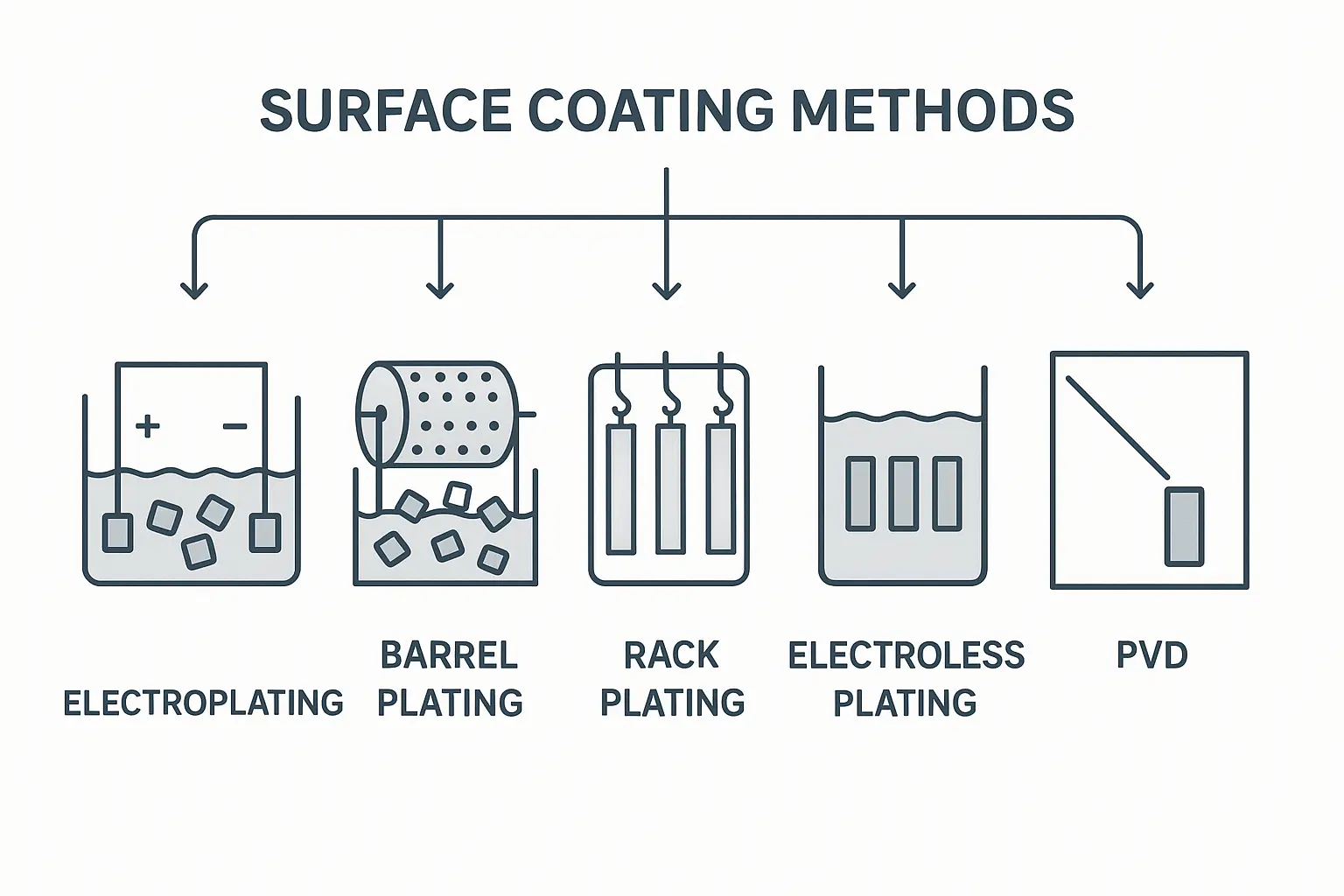
  • Types and Precautions of Surface Coating

    Types and Precautions of Surface Coating

    Surface coating is one of the most common and essential surface treatment methods. It enhances product durability, appearance, and performance, making it widely applied in magnets, precision parts, electronic components, and industrial equipment. Different coating techniques provide unique benefits depending on the application requirements.

    (more…)
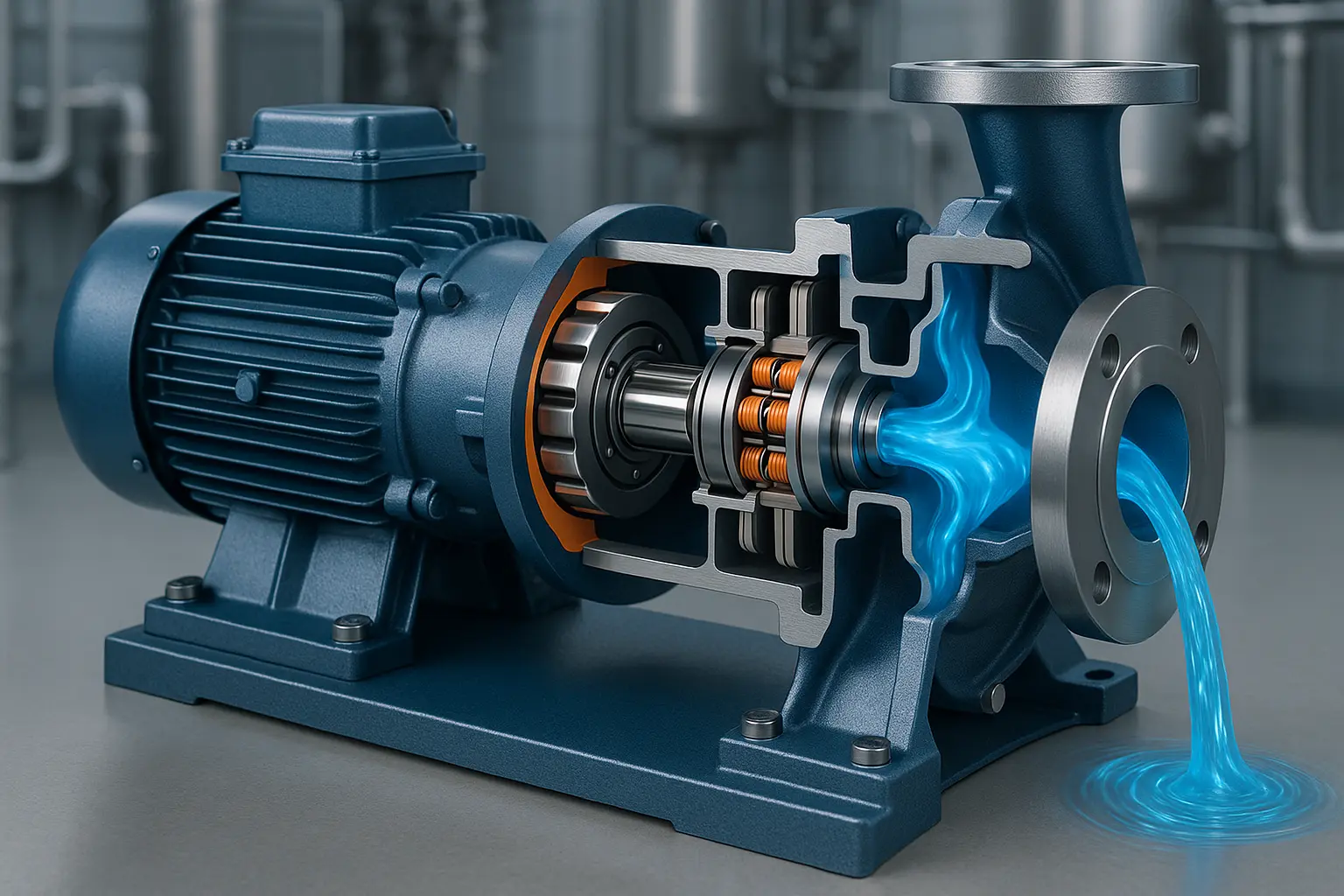
  • Comprehensive Guide to Magnetic Pumps: Applications, Working Principle, and Key Advantages

    Comprehensive Guide to Magnetic Pumps: Applications, Working Principle, and Key Advantages

    In the world of industrial pumping solutions, magnetic pumps (also known as magnetic drive pumps) stand out for their leak-proof design and high efficiency. If you’re in the chemical, pharmaceutical, or environmental sectors and searching for a reliable way to handle hazardous fluids without the risk of leaks, this guide is for you. We’ll dive into the applications of magnetic pumps, their working principle, and why they outperform traditional centrifugal pumps. Whether you’re an engineer, procurement specialist, or industry beginner, understanding magnetic pump technology can help you make informed decisions for safer and more efficient operations.

    (more…)
  • Magnetic Latching: The Next Generation of Construction Elevator Doors

    Magnetic Latching: The Next Generation of Construction Elevator Doors

    In high-rise construction, efficiency and safety are paramount. While traditional elevator protective doors provide a necessary barrier, they often come with challenges: manual latches can be time-consuming, and constant wind and vibration can cause doors to rattle or even be left unsecured.

    Introducing the Magnetic Latching Construction Elevator Door—an innovative solution designed for enhanced safety, convenience, and durability on the job site.

    (more…)