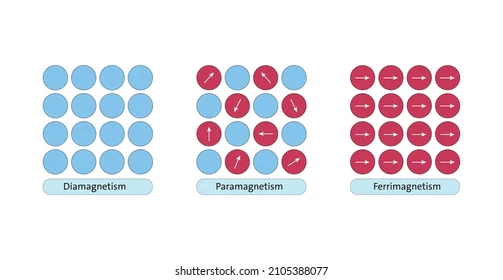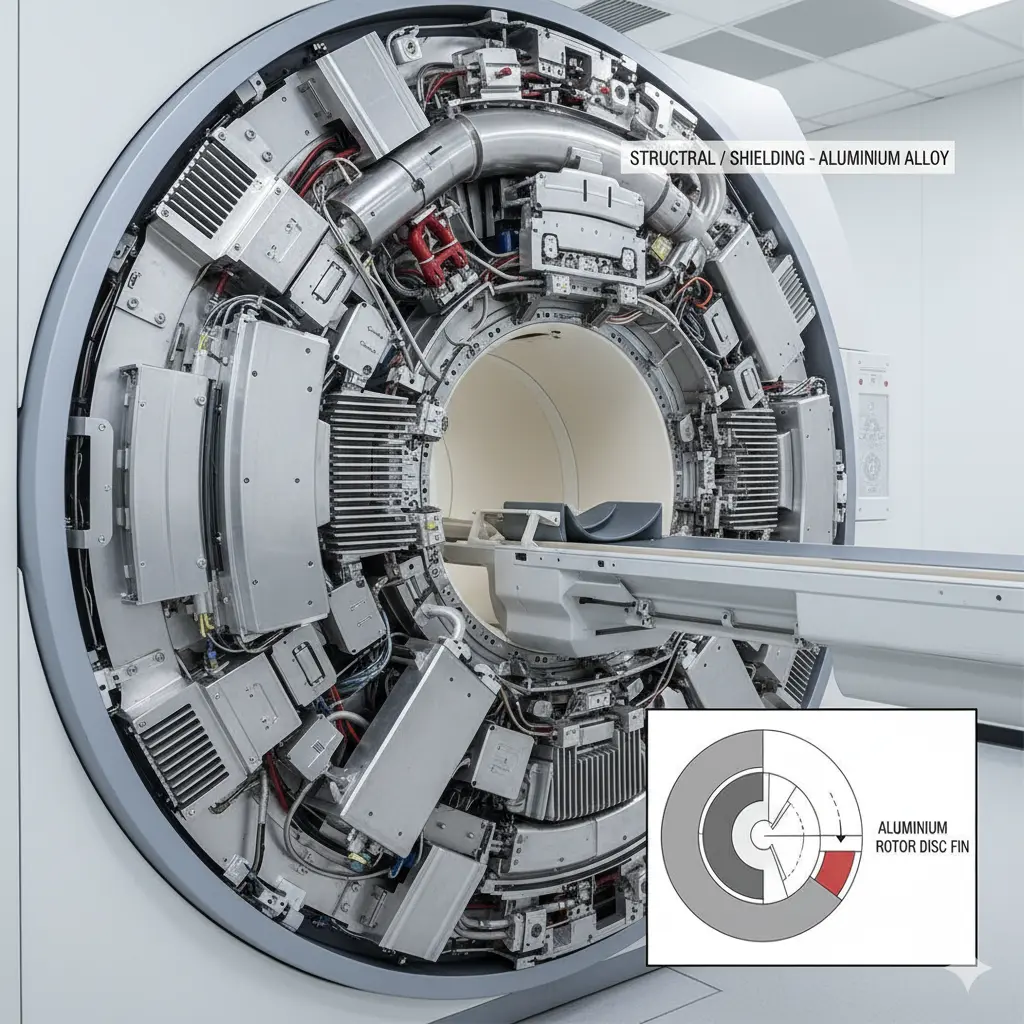
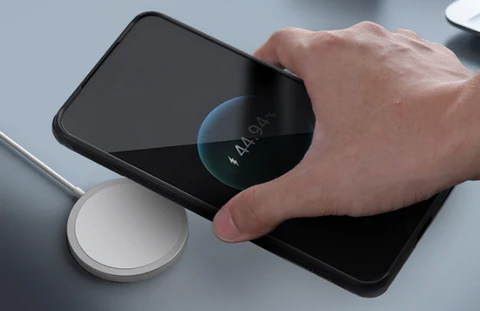
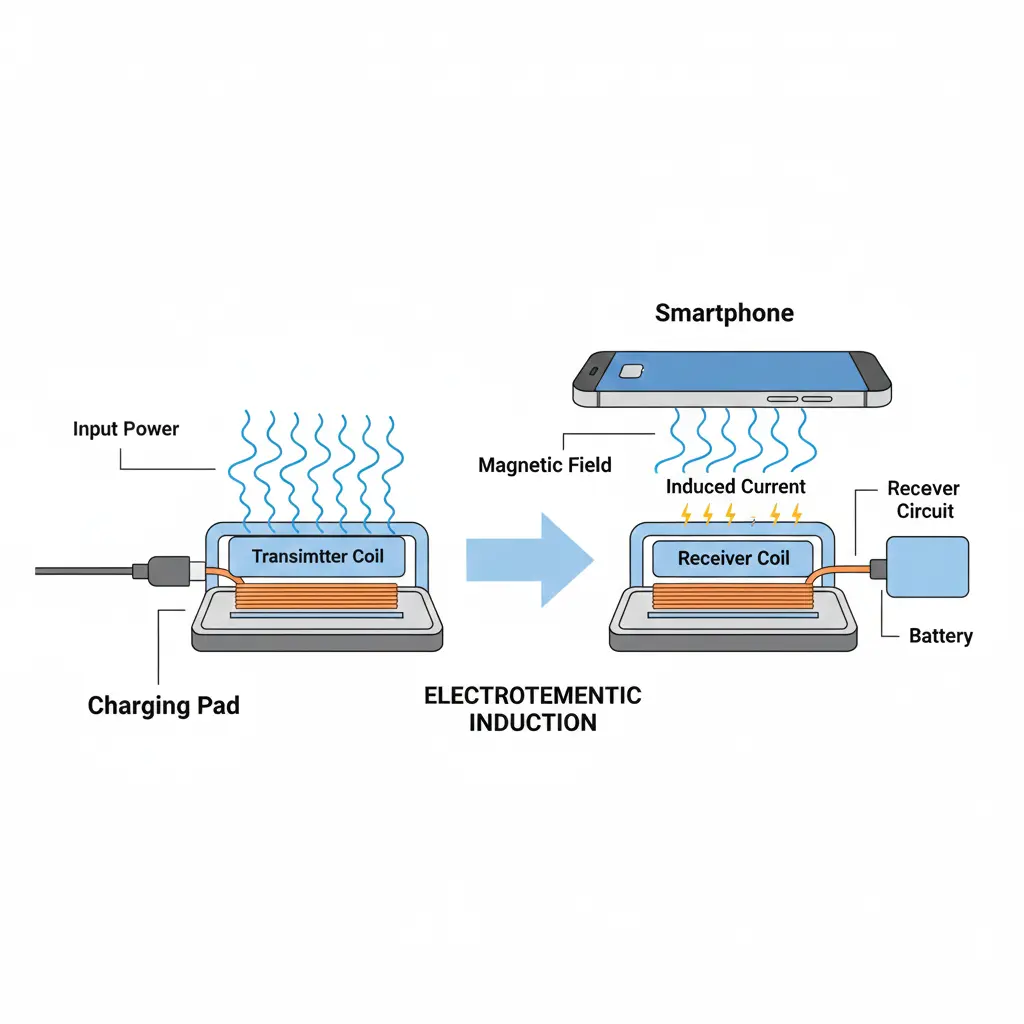
Wireless charging operates on electromagnetic induction, where a charging pad transfers energy to a device through a rapidly alternating magnetic field. The receiver coil inside the phone captures this energy and converts it into electrical power. Because magnetic fields sit at the core of this technology, customers often ask whether additional magnets—such as magnetic cases, phone mounts, or magnetic accessories—can influence charging performance. From an engineering perspective, the answer depends on magnet strength, placement, and material design.
How Magnets Interact with Wireless Charging Coils
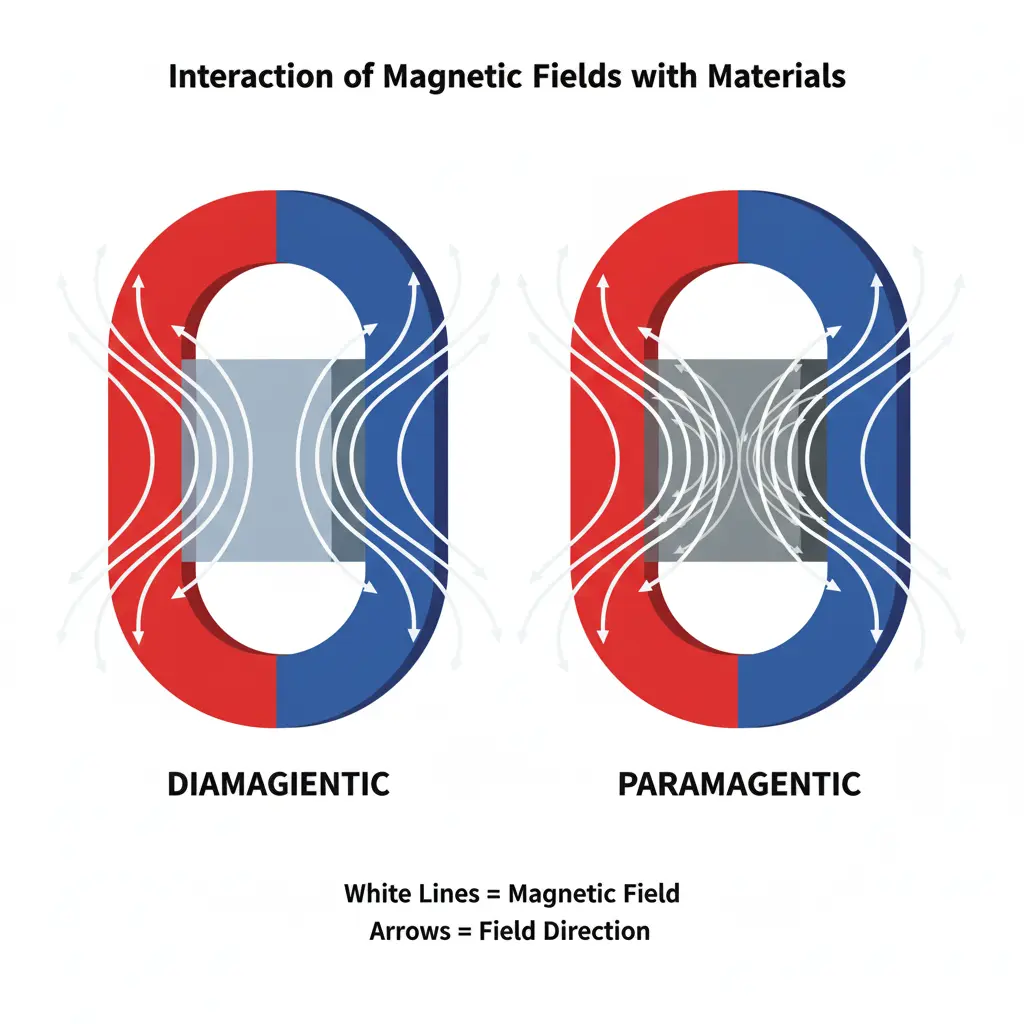
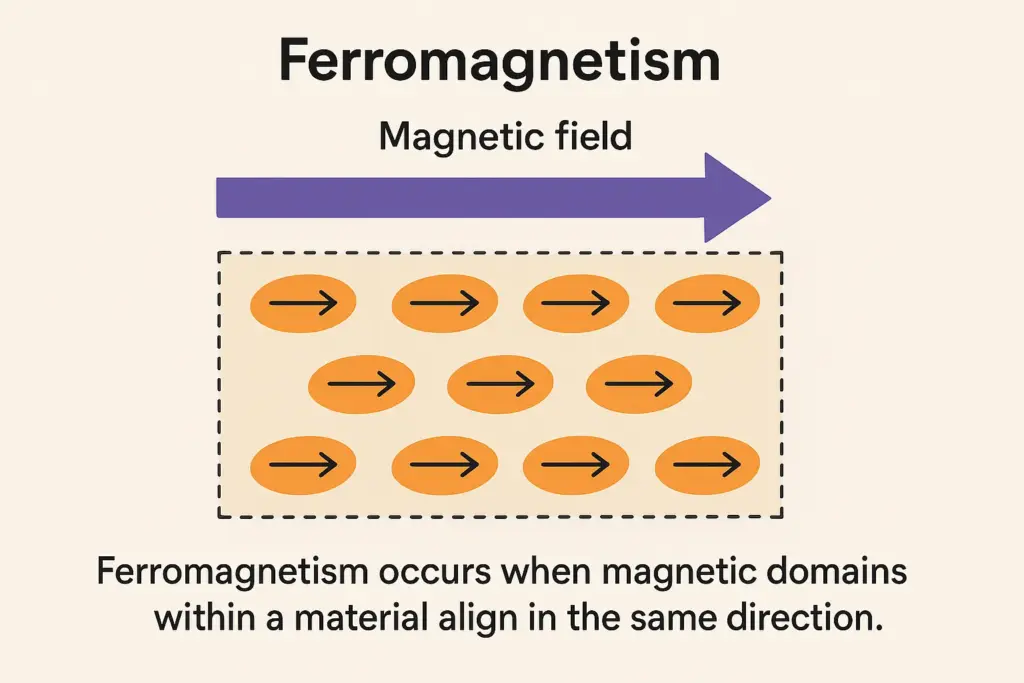
Magnets themselves do not inherently disrupt wireless charging because the technology relies on alternating magnetic fields, while permanent magnets produce static magnetic fields. Static fields do not interfere with the operational frequency of induction charging. However, the presence of certain ferromagnetic materials near the charging coil can create operational inefficiencies.
Key Interaction Principles
- Magnetic fields from accessories do not block induction unless they distort the magnetic pathway.
- Non-conductive magnetic materials, such as ferrite, can support wireless charging by managing magnetic flux.
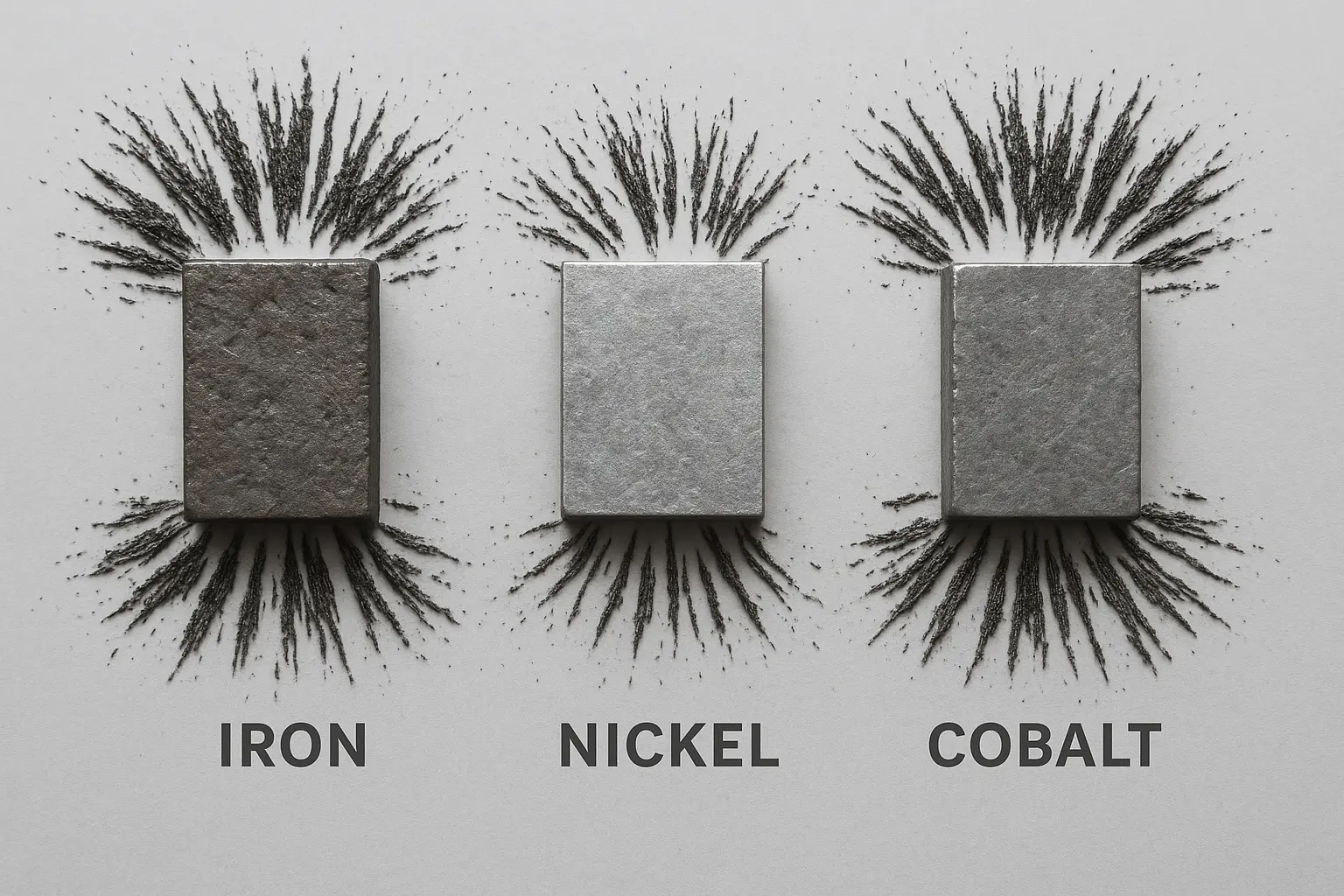
- Metal-backed accessories can obstruct charging by absorbing or deflecting magnetic energy.
As a result, the magnet itself is rarely the issue—the real risk lies in design choices that introduce conductive metals between the charger and device.
Why Some Magnetic Accessories Disrupt Charging
Many magnetic phone accessories incorporate steel or other conductive metals to improve grip strength. These metals can trigger heat buildup, reduce charging speed, or prevent charging altogether by interfering with the magnetic coupling between the transmitter and receiver coils.
Common Issues
- Energy loss due to eddy currents generated in conductive metal plates.
- Misalignment caused by magnets that shift the phone away from the coil’s optimal charging zone.
- Thermal shutdown triggered when lower-quality accessories cause excessive heat accumulation.
Premium magnetic systems, such as MagSafe-compatible designs, solve these issues using optimized magnet arrays and non-conductive support materials.
The Role of Magnet Design in Supporting Wireless Charging
Modern magnetic alignment systems demonstrate how magnets can actually enhance wireless charging performance. These systems use magnets not to replace the induction process, but to ensure precise positioning, maximizing efficiency and power transfer.
Alignment Benefits
- Enhanced user experience through automatic positioning
- Reduced power loss from misaligned coils
- Improved thermal stability and faster charging cycles
The strategic integration of magnets becomes a competitive advantage when paired with materials that maintain electromagnetic compatibility.
Are Magnetic Phone Cases Safe?
Most magnetic cases are fully compatible with wireless charging, provided they avoid conductive metal plates. Cases designed specifically for magnetic chargers use carefully engineered magnet rings embedded within non-conductive polymer structures, ensuring both alignment and performance.
Before recommending or purchasing a case, evaluate:
- Whether the magnet is surrounded by non-metallic materials
- Whether the product explicitly supports wireless charging
- Whether the magnet’s placement aligns with industry standards
This approach ensures consistent charging reliability and avoids operational disturbances.
Best Practices for Using Magnets with Wireless Charging
Adopting the right workflow ensures consistent performance:
- Select accessories labeled as “wireless charging compatible.”
- Avoid mounts or cases with large metal plates.
- Ensure precise alignment for optimal power transfer.
- Monitor temperature during extended charging cycles.
- Choose products designed for your device’s charging architecture.
For businesses designing magnetic accessories, prioritizing electromagnetic compatibility testing is essential for compliance and end-user satisfaction.